
Livraison le jour même ou le lendemain

Qualité garantie

Débloquez vos offres de bienvenue: Livraison GRATUITE | Jusqu'à -80 % | 30 jours d'essai gratuits à JoyPlus
Téléchargez l'application
Whether for high-altitude trekking, a Sunday hike, or just a rainy commute to work, a good waterproof hardshell jacket is often essential. The problem? The market is flooded with marketing promises and vague technical claims. As a product expert at Joybuy, I'm here to help you decode the labels and focus on what truly matters. Follow this guide to make the right choice, every time.
Gearing up to face the elements shouldn't be a gamble. Yet, many people end up disappointed with a jacket that doesn't live up to its promises. Here are the three most common mistakes:
To avoid making a mistake, rely on objective data. There are two technical indicators you must check before you buy.
A fabric's waterproofness is measured in Schmerber, or more simply, in millimetres (mm) of water column. This rating measures a fabric's resistance to water pressure.
A jacket's ability to evacuate water vapour (i.e., sweat) is just as crucial. It is measured by two main ratings:
Technologies like the Gore-Tex membrane are renowned for their excellent balance of waterproofness and breathability, but many brands now offer high-performance alternatives. Also, remember to check the details that make all the difference in the field: the seams must be perfectly sealed (taped or welded) and the zips water-repellent.
Rather than an endless list, we've selected products for specific profiles and needs.
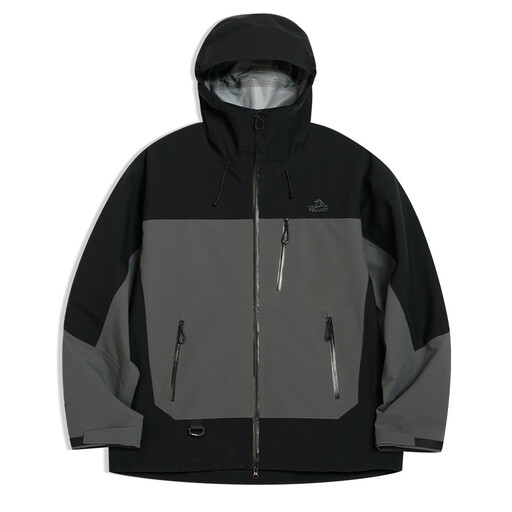
Why we chose it: Perfect for those who switch between mountain trails and city streets. This jacket is designed to offer reliable protection in any situation, without sacrificing style.
Its membrane is engineered to withstand intense, continuous rain, going far beyond simple "water-repellent" protection. Its high breathability prevents the "sauna effect" during exertion.
Its versatility. This is a true all-rounder, and its abrasion-resistant fabric is a major asset for durability against rocks or branches.
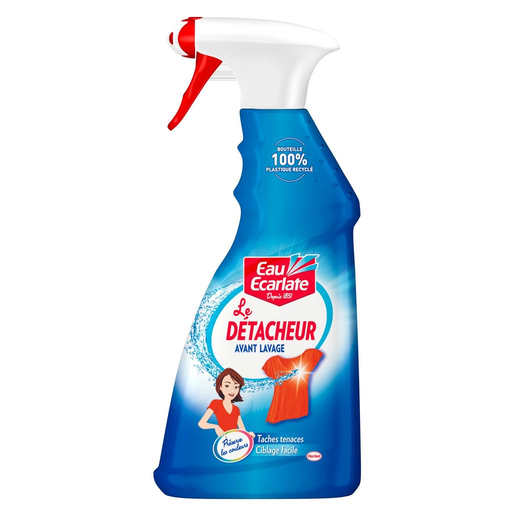
Why we chose it: For those who know that good gear is, above all, well-maintained gear. This product treats tough stains (mud, grass, grease) before the specific wash cycle, thereby preserving the jacket's performance.
It directly tackles pitfall #3: improper maintenance. Its bleach-free formula is gentle on technical fibres and colours, without the risk of clogging the pores of the waterproof-breathable membrane.
Its spray format allows for targeted application, and its effectiveness at 30°C is perfect for the low-temperature washes recommended for technical textiles.
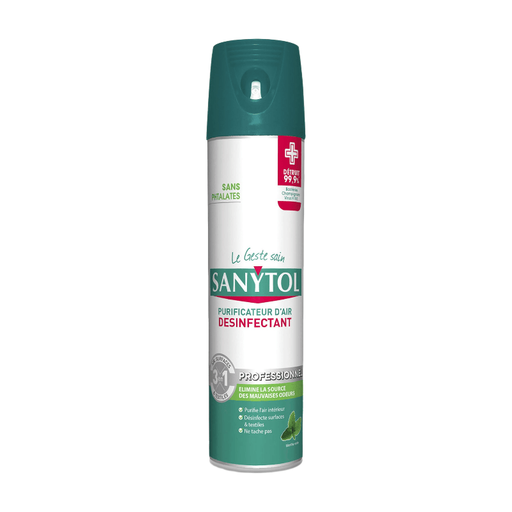
Why we chose it: For adventurers who know that campsite comfort extends beyond just the jacket. This spray helps keep the rest of your gear (shoes, sleeping bag, tent interior) fresh and hygienic.
It solves an often-underestimated problem: general gear hygiene. What's the point of a great jacket if the rest of your equipment smells musty? It purifies without staining textiles.
Its 3-in-1 action: it disinfects, neutralises odours at the source (rather than just masking them), and adds a light fragrance. Its bleach-free formula is compatible with all textiles and surfaces.
Maintaining your gear is just as crucial as choosing it. Discover our selection of care products specially designed for technical textiles.
Empty all pockets, close all zips and Velcro fasteners, and loosen any drawcords. Use a special detergent for technical apparel (or, failing that, a liquid Marseille soap), but never use fabric softener or bleach. Machine wash at 30°C on a delicate cycle. Feel free to run a second rinse cycle to ensure all residue is removed. To reactivate the water-repellent finish (the DWR treatment), a 20-minute tumble dry on low heat is often recommended (check the label!).
The lifespan depends on usage and, most importantly, the quality of care. A quality jacket, if well-maintained, can easily last between 5 and 10 years. The first signs of wear? Water no longer beading on the surface (the DWR is worn out) or, more seriously, the membrane starting to delaminate from the fabric. Regular washing and reactivating the water-repellent treatment are the secrets to its longevity.
No. A hardshell is your armour against wind and rain (the "3rd layer"), but it provides almost no warmth. In winter, it is essential to layer it over insulating layers (like a fleece or a lightweight down jacket) to stay warm. This is the principle of the 3-layer system, which allows you to adjust your insulation based on the weather and your activity level.