
Livraison le jour même ou le lendemain

Qualité garantie

Débloquez vos offres de bienvenue: Livraison GRATUITE | Jusqu'à -80 % | 30 jours d'essai gratuits à JoyPlus
Téléchargez l'application
Running in the rain, swimming without your phone, or cycling while staying alert to traffic demands more than just a Bluetooth connection. Waterproof bone conduction headphones for sport need to offer a reliable fit, good battery life, genuine water resistance, and listening that suits your environment.
However, some marketing claims deserve a closer look.
The IPX7 certification generally indicates protection against temporary immersion under specific conditions. It does not, however, mean the product is suitable for repeated use while swimming. IPX8 and IP68 ratings offer a higher level of protection, but you must still check the manufacturer's guidelines, particularly the depth and duration of immersion intended.
Sweat, chlorinated water and salt water can also damage magnetic charging connectors. After each session, rinse the device with fresh water, dry it thoroughly, and never charge it while the contacts are still damp.
Bluetooth signals travel very poorly through water. With Bluetooth swimming headphones, the connection to your phone can become unstable as soon as your head is submerged. Models with built-in memory allow you to transfer audio files and listen to music independently.
A microphone's noise reduction primarily improves call clarity. ANC, on the other hand, aims to reduce ambient noise. On an open-ear sports headset, the open design lets more outside sound in, but listening at high volume can still mask a bicycle bell, a siren or the sound of a car.
For running, hiking or gym workouts, protection against sweat and splashes may be sufficient. For swimming, look for a specification that clearly states the following:
The IP rating tells you nothing about sound quality, battery life or durability. It is just one criterion among many.
32 GB MP3 headphones are aimed at users who want to train without their smartphone. A 32 GB capacity can hold a substantial audio library, depending on file format. Also check the compatible formats, the transfer method, and the ability to switch easily between Bluetooth and local playback.
For a running headset, a claimed battery life of 8 to 12 hours should cover several sessions. However, this varies depending on listening volume, calls and activated features. Actual battery life also depends on the battery's condition and the outside temperature.
Bone conduction transmits vibrations through the areas near your temples and cheekbones, without fully blocking your ear canal. Comfort and listening quality depend largely on the position of the transducers, the shape of the headband and the volume level.
For cycling and fitness headphones, look for:
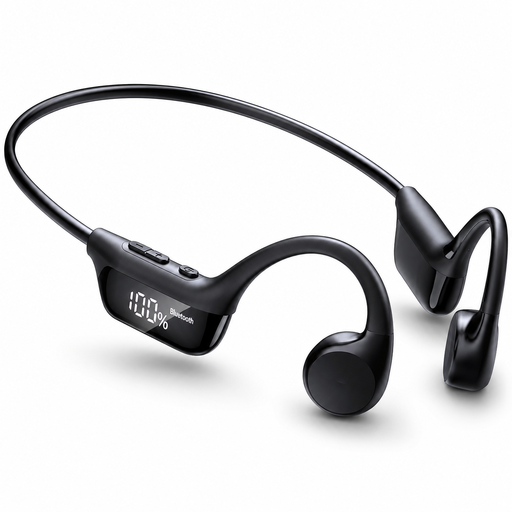
Why this choice suits this profile: This model offers an affordable introduction to open-ear sports headsets, suitable for running, the gym, cycling or skiing. Its specification claims up to 12 hours of battery life and IPX7 protection.
The specification clearly distinguishes IPX7 protection from swimming use. It is therefore best not to choose this for prolonged immersion without further confirmation.
Open design, built-in microphone, Bluetooth and claimed battery life of up to 12 hours.

Why this choice suits this profile: This option is for users who prioritise in-ear headphones, touch controls and ANC for commuting, fitness or city running.
The specification states IP57 protection and clarifies that the product is not designed for swimming or immersion.
Active noise cancellation, built-in sensors, wireless charging case and Bluetooth connectivity.
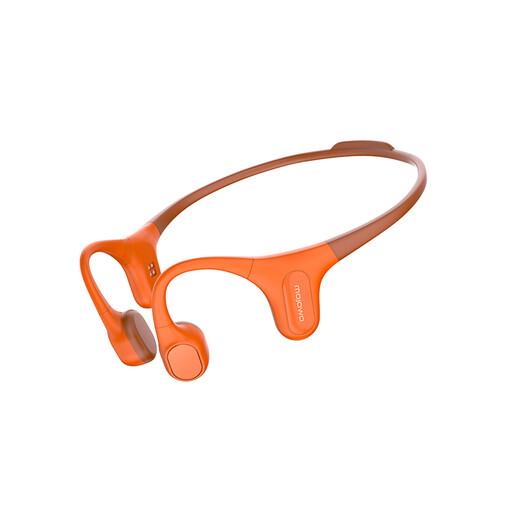
Why this choice suits this profile: Its open design, 32 GB built-in memory and IP68 rating cater to workouts that mix running, cycling, the gym and swimming.
MP3 mode takes over for underwater activities, since Bluetooth is not reliable during immersion.
32 GB memory, support for MP3/WAV/AAC/FLAC/APE audio formats, swimming mode and claimed battery life of up to 8 hours.

Why this choice suits this profile: This model is for athletes who want to switch between Bluetooth calls, running, fitness and standalone audio playback with a single device.
Its specification mentions IPX8 protection and 32 GB of memory. However, check the variant you receive and dry the contacts thoroughly before charging.
Open design, 32 GB internal memory, Bluetooth, microphone and claimed battery life of around 8 to 10 hours.
We have put together a comprehensive, real-time updated selection of products that meet these demanding criteria, as well as European safety standards.
Not necessarily. Even when marketed as waterproof, standard Bluetooth headphones can lose their connection underwater. For swimming, choose a model with built-in memory and a standalone playback mode, then check its protection rating and the usage limits stated by the manufacturer.
It all depends on the battery, frequency of use and maintenance. Rinse the headphones after a pool session or heavy sweating, dry the connectors thoroughly and avoid extreme temperatures. Like all rechargeable batteries, the one in your headphones will gradually lose capacity over time.
Their open design does not fully block the ear canal, but it does not eliminate the risks associated with listening at excessive volume. Take regular breaks, keep the volume at a reasonable level and stay aware of surrounding sounds, especially when cycling or training in the city.