
Livraison le jour même ou le lendemain

Qualité garantie

Débloquez vos offres de bienvenue: Livraison GRATUITE | Jusqu'à -80 % | 30 jours d'essai gratuits à JoyPlus
Téléchargez l'application
Running along a road, cycling in town, swimming in the pool or working out at the gym all call for different types of headphones. Waterproof bone-conduction headphones for sport can adapt to these activities thanks to their open design, secure fit around the head and, on some models, built-in MP3 storage.
That said, product listings can sometimes be full of promises: water resistance, noise reduction, record battery life or “all-day” comfort. Before you reach the checkout, it is worth separating genuinely useful features from marketing claims that are harder to verify.
An IPX7, IPX8, IP67 or IP68 rating does not automatically mean that a product is suitable for every water-based activity. The first digit generally indicates the level of protection against particles, while the second relates to water resistance under specific conditions.
An IP67 headset may withstand temporary immersion, but that is not necessarily enough for regular swimming. If you are looking for IPX8/IP68 swimming headphones, check the limits specified by the manufacturer: depth, immersion time, fresh water or chlorinated water. Real-world conditions may differ from the certification test conditions.
Bluetooth works very well in the open air. Underwater, however, transmission is severely disrupted. For swimming, you therefore need headphones with a built-in MP3 player, with files transferred from a computer or another compatible device.
32 GB of storage lets you store a much larger music library than a standard Bluetooth model. However, remember to switch to MP3 mode before getting in the water if the headphones offer this function.
Open-ear Bluetooth headphones let environmental sounds through. This is useful for running, cycling or hiking, but this design does not provide complete isolation and never removes the need to stay alert to traffic.
Terms such as “noise reduction” or “smart call noise reduction” refer to the features advertised by the manufacturer. They do not guarantee the complete removal of background noise or identical performance in every situation.
For sports headphones for running and cycling, protection against sweat and splashes may be enough. For swimming, choose a model whose product details clearly state that it is designed for immersion.
After a sports or swimming session, rinse the headphones with clean water, wipe them dry and wait until the magnetic connectors are completely dry before recharging them. Chlorine and salt can accelerate corrosion.
A Bluetooth model is suitable for streaming, calls and everyday listening. To swim without taking your phone with you, it is better to choose wireless headphones with a 32 GB MP3 player. Also check the compatible audio formats and how files are transferred.
Advertised battery life depends on the volume, the mode used and how often you make calls. Battery life of 8 to 12 hours may cover several workouts, but you will still need to recharge the headphones regularly. Quick charging can be useful before a session, but it does not replace a full charge when you have time.
Bone conduction transmits vibrations around the temples or cheekbones, without earbuds in the ear canal. The band should stay securely in place without applying excessive pressure. For cycling and fast movements, pay particular attention to:
Comfortable headphones with a microphone can be just as useful for a workout as they are for a normal day. However, avoid excessively high volumes and prolonged listening to help reduce listening fatigue.

Why this choice suits this profile : Its open design and built-in 32 GB storage make it an appealing option for beginners taking up running, gym workouts or hiking, with or without a smartphone.
The product listing states IPX8 resistance and an MP3 mode: two features worth checking when a model is presented as suitable for swimming. The charging port must be kept completely dry.
32 GB storage, Bluetooth, built-in microphone and advertised battery life of around 8 to 10 hours.
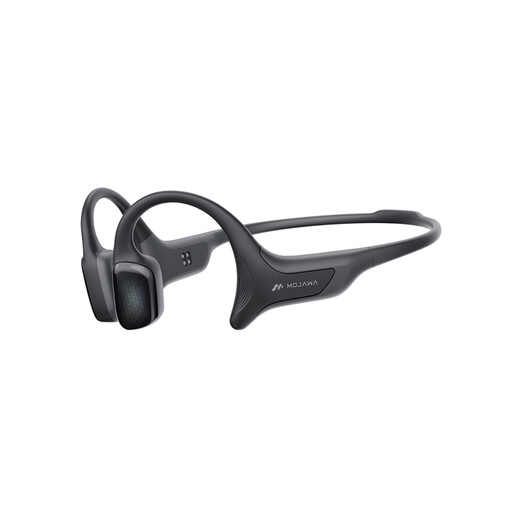
Why this choice suits this profile : These Bluetooth bone-conduction headphones combine open-ear listening, a microphone and a 32 GB MP3 player to support a range of training sessions.
Its built-in storage lets you train without relying on Bluetooth while immersed in water. Nevertheless, check the detailed waterproofing conditions in the manual.
Open design, microphone, 32 GB storage and advertised use for training, running and swimming.

Why this choice suits this profile : With its advertised IP68 protection, 32 GB of storage and swimming mode, this model is aimed at users who alternate between the pool, cycling, running and gym workouts.
The MP3 mode is designed for water-based activities, as Bluetooth does not work properly underwater. Rinsing the headphones after every session is still essential.
Advertised IP68 protection, 32 GB storage, advertised battery life of up to 8 hours and separate Bluetooth/MP3 modes.
We have selected a complete range, updated in real time, of products that meet these demanding criteria as well as European safety standards.
No. Bluetooth signals do not travel well through water. To listen to music while swimming lengths, choose waterproof swimming headphones with built-in MP3 storage and activate this mode before getting in the water.
The IPX8 rating mainly indicates water resistance, without specifying the level of protection against dust. The IP68 rating combines dust protection with resistance to immersion. In both cases, check the depth and duration limits specified for the relevant model.
Rinse them after a swimming session or heavy sweating, then dry the magnetic contacts carefully. Never recharge the headphones while they are still damp. Also avoid maximum volume for long periods and store the device in a dry place away from high temperatures.