
Livraison le jour même ou le lendemain

Qualité garantie

Débloquez vos offres de bienvenue: Livraison GRATUITE | Jusqu'à -80 % | 30 jours d'essai gratuits à JoyPlus
Téléchargez l'application
Running along a road, cycling through town or working out in a busy gym means keeping an eye — and, above all, an ear — on your surroundings. Open-ear headphones meet this need by leaving the ear canal unobstructed. With bone conduction, sound is transmitted through the contact points positioned near the temples.
Marketing claims do not always tell the whole story, however. Before buying an open-ear Bluetooth headset, it is worth checking its water resistance, how it performs underwater and its storage capacity. Here are the key criteria to review to avoid choosing a model that is not suited to your activities.
The term “waterproof” is not enough on its own. A device that resists rain or sweat is not necessarily designed for swimming. The IP68 rating provides an initial indication, but you should also check the conditions specified by the manufacturer: maximum depth, immersion time and the type of water supported.
Whether you are in a swimming pool or at sea, a waterproof Bluetooth headset faces a genuine limitation: Bluetooth signals travel very poorly underwater. A model designed for swimming must therefore include an MP3 player, so it can work without a smartphone or wireless connection.
Audio headphones for the gym or earphones for running can work brilliantly over Bluetooth. Things change as soon as you need to train without a smartphone or go underwater. Internal storage — such as a 32GB MP3 player — lets you transfer your audio files directly to the device.
Remember to check the supported formats and the transfer method. Depending on the model, files are copied from a computer using a magnetic cable that handles both charging and data transfer.
A headband that is too loose may move with every action, while excessive pressure near the temples can become uncomfortable over time. For wireless sports earphones, the fit should be assessed according to your activity: repeated strides, weight-training movements, cycling turns or dives.
After a session in the pool or sea, chlorine and salt can build up on the magnetic contacts. Rinsing the device with fresh water, followed by thorough drying before charging, is the minimum required for proper care.
The IP rating is a classification that assesses protection against dust and water. For IP68 earphones, the “6” indicates complete protection against dust, while the “8” relates to immersion under conditions defined by the manufacturer.
This rating does not replace the user manual. Before using the device in water, check in particular:
A 32GB MP3 player is suitable for users who want to take plenty of playlists with them without their phone. Compatibility with MP3, WAV, AAC, FLAC or APE formats nevertheless varies from one model to another.
The stated battery life should be considered alongside listening volume, the mode being used and the active connection. Fast charging can be useful before heading out, but it does not remove the need to fully charge the earphones before using them for the first time.
Open-ear earphones do not completely block the ear canals. They can therefore suit anyone who wants to remain aware of ambient sounds while running or cycling. This design does not eliminate the risks associated with listening volume, however: avoid prolonged listening at high volume and take regular breaks.
For the best fit, the transducers should remain in contact with the area indicated in the user manual, generally near the temporal bone or cheekbone. The device should remain stable without applying uncomfortable pressure.
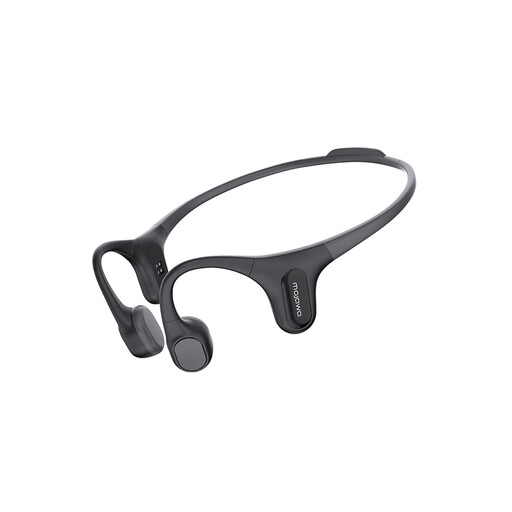
Why this choice suits this profile : This model brings together the essential features for discovering bone conduction: open-ear listening, Bluetooth, 32GB of MP3 storage and a stated IP68 rating. It can accompany you on runs, at the gym and during everyday activities.
Built-in storage means you do not have to rely on Bluetooth when training without your phone. However, the user manual and the conditions associated with the IP68 certification must be followed before any immersion.
32GB of internal storage, an open-ear design and an IP68 rating stated in the product name.
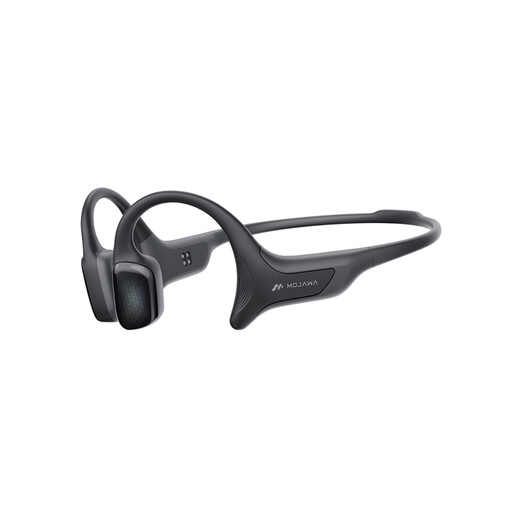
Why this choice suits this profile : Its microphone, 32GB of storage and open-ear design make it a versatile option for workouts, calls and swimming sessions, within the limits specified by the manufacturer.
The product information clearly distinguishes Bluetooth listening from MP3 file playback. This means you can prepare your content in advance for activities during which your phone cannot remain connected.
Built-in microphone, 32GB of storage and an open-ear design that lets you continue to hear the sounds around you.
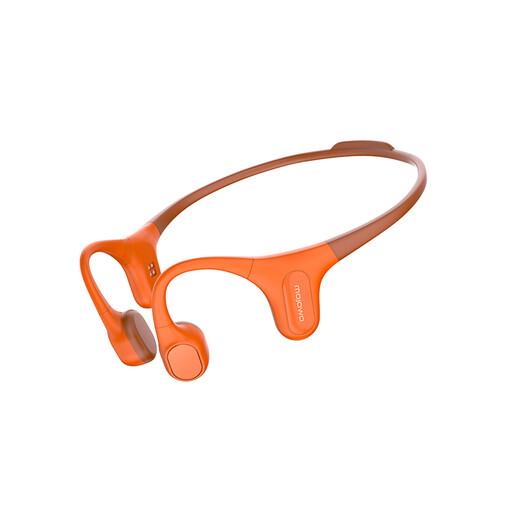
Why this choice suits this profile : The product information states that the device can be immersed to a depth of 2 metres for 2 hours, offers up to 8 hours of battery life and supports several audio formats. Its dedicated swimming mode is designed for aquatic training prepared in advance.
MP3 mode is specifically designed for underwater use, as Bluetooth does not work properly when immersed. Rinsing and then drying the contacts before charging also helps minimise maintenance issues.
Stated IP68 rating, 32GB of storage, Bluetooth 5.2, up to 8 hours of battery life and a dedicated swimming equaliser.
We have put together a complete, regularly updated selection of products that meet these demanding criteria, while also taking European safety regulations into account.
In practice, Bluetooth connectivity becomes very limited underwater. For swimming, choose a model with a built-in MP3 player and switch to local playback before getting in the water. The manufacturer’s instructions should specify the conditions in which the device can be used in water.
Rinse them with fresh water after using them in a pool or at sea, then carefully dry the surface and magnetic contacts. Do not connect the cable while the charging points are wet. Store the earphones in a dry place away from extreme temperatures.
A capacity of 32GB is suitable for anyone who wants to store several playlists and train without their phone. For mainly Bluetooth use, internal storage is less important: battery life, fit and the protection rating may then carry more weight in your decision.