
Livraison le jour même ou le lendemain

Qualité garantie

Débloquez vos offres de bienvenue: Livraison GRATUITE | Jusqu'à -80 % | 30 jours d'essai gratuits à JoyPlus
Téléchargez l'application
Diving into the world of watercolour is a fascinating adventure, but with the vast array of available supplies, the first step can seem daunting. Paper, brushes, colours… how do you navigate it all? This guide is here to provide clear, practical guidance for choosing the watercolour supplies that are right for you, whether you're a curious beginner or an artist looking to expand your collection of fine art supplies.
As Joybuy product advisors, our role is to demystify the available options and guide you towards informed choices, without the unnecessary jargon.
Before we get to our top picks, let's review the essential criteria for getting the right gear.
The choice of watercolour paper is arguably the most critical. Unsuitable paper can buckle, absorb colour unevenly, and ruin all your hard work. Here are the key points to check:
A good drawing pad designed for wet media is an excellent starting point.
Watercolour paint comes in several formats, each with its own advantages.
To get started, a few round brushes in different sizes (a fine one for details, a medium one for flat washes) are more than enough. A palette for your mixes and a water container complete this basic setup.
Here are three products that stand out for their quality and design philosophy, each meeting specific needs.
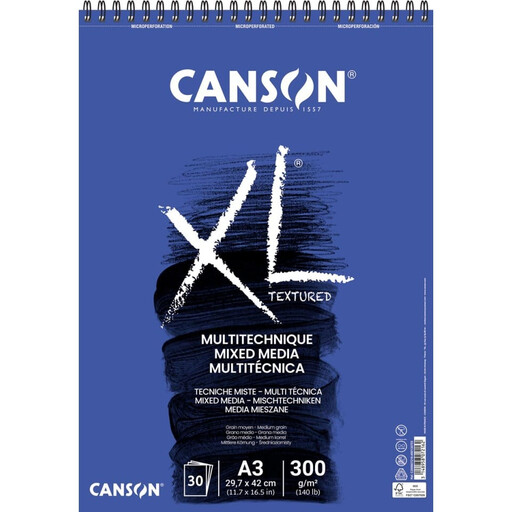
Why it stands out: Its incredible versatility makes it a top-tier surface for artists who love to experiment. It's designed to handle not only watercolour but also gouache, acrylic, and other mixed media.
Advantages:
Who is it for? For artists and students who enjoy juggling different techniques and are looking for a reliable, versatile paper for their projects.
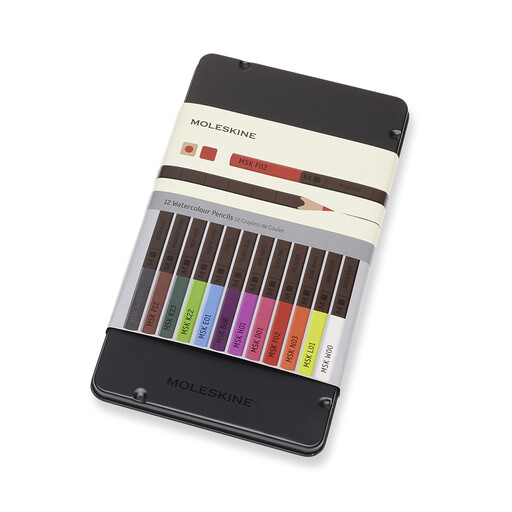
Why it stands out: These watercolour pencils combine intelligent design with a high-quality lead. Their square body isn't just for aesthetics: it's also highly practical, preventing the pencils from rolling off your work surface.
Advantages:
Who is it for? For illustrators, fans of sketchbooking, and anyone who loves beautiful, functional objects. It also makes an excellent gift for a creative mind.
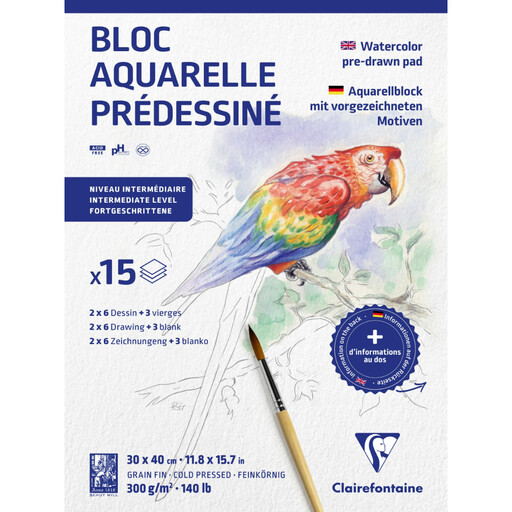
Why it stands out: This pad offers a playful and guided approach to watercolour. Thanks to its pre-drawn illustrations, it allows you to focus solely on painting techniques: colour mixing, washes, brush handling, and more.
Advantages:
Who is it for? For beginners or intermediate artists who want to perfect their colouring technique in a fun, guided way.
Our selection highlights three products with very distinct uses. If you're looking for a specific paper, a different format, or supplies to complete your kit, feel free to explore our full range.
Explore our complete collection of drawing pads to find the perfect surface for your projects.
To start, a 300 g/m? fine-grain paper is a safe and versatile choice. A 100% cellulose composition offers excellent value for money while you're getting the hang of it. An A4 or A5 pad is easy to handle and take with you anywhere.
No, classic coloured pencils are not water-soluble. Their wax- or oil-based pigments are hydrophobic and will repel water. To achieve a watercolour effect, you must use specific watercolour pencils, whose lead is designed to dissolve when touched with a wet brush.
A good beginner's watercolour kit doesn't need to be extensive. It can consist of: