
Livraison le jour même ou le lendemain

Qualité garantie

Débloquez vos offres de bienvenue: Livraison GRATUITE | Jusqu'à -80 % | 30 jours d'essai gratuits à JoyPlus
Téléchargez l'application
A watercolour paint set may seem easy to choose: a few pans, a brush and a compact box are often enough to get started. However, in practice, the differences between a well-designed palette and an unsuitable kit quickly become apparent.
A large number of colours does not guarantee an enjoyable experience. An overly bulky box ends up at the bottom of a bag, while a kit presented as complete may require you to buy watercolour paper, brushes or a mixing palette separately. To avoid unexpected costs, it is best to compare the format, the actual contents and how well they suit your way of painting.
A watercolour palette with a wide range of shades can be useful for travel journals or decorative projects. However, 18 or 24 colours take up more space and are not necessarily useful for a beginner. With a 12-colour set of basic shades, you can already create a wide range of mixes, provided the colours are sufficiently distinct.
Check the exact list of shades rather than relying solely on the number of pans. Having white, yellows, reds, blues, greens, earth tones and a dark grey makes early exercises easier.
Some products combine paint and equipment, but the contents can vary considerably: a single brush, a sponge, a limited amount of paper or a user guide. Before choosing a watercolour set, check exactly which items are included and their dimensions.
For regular use, you will generally need:
Watercolour in pans dries after use, but can generally be reactivated with water. A box that closes properly protects the colours from dust and makes transport easier. Tube paints, on the other hand, are better suited to a customised palette, but require a separate watercolour palette and a little more organisation.
Watercolour pans are particularly practical for beginners, students and people who paint outdoors. Simply dampen the surface slightly before picking up the colour. Pans take up little space and are easy to store.
Tube watercolour allows you to dispense the paint directly and prepare larger quantities of colour mixes. It is better suited to studio sessions, larger formats and users who want to customise their palette. A 12 ml tube can also be taken with you, but you will need to provide a mixing surface and take extra care to close the caps properly.
Transparent watercolour allows you to layer several diluted washes. The amount of water changes the colour intensity: the more water you use, the lighter the result; more concentrated paint produces a richer shade.
Also check the product details to find out whether the paint remains reworkable after drying. Several kits featured here state that the colours do not become waterproof once dry and can be worked again with water. This feature allows you to make slight corrections to an area or revisit a mix, but it does not replace a protective method if the artwork is to be preserved.
Paper is a key part of your watercolour painting equipment. A weight of 300 g/m², such as that specified for the Clairefontaine botanical pad featured below, withstands washes better than very thin paper. The surface texture also affects the result: fine grain makes detailed work easier, while a more pronounced texture adds greater depth to backgrounds.
When it comes to brushes, a combination of round and flat shapes covers a range of uses: details, lines, solid areas and washes. Synthetic fibres offer good durability and are easy to care for; depending on their composition, fibre blends may prioritise absorbency or flexibility.
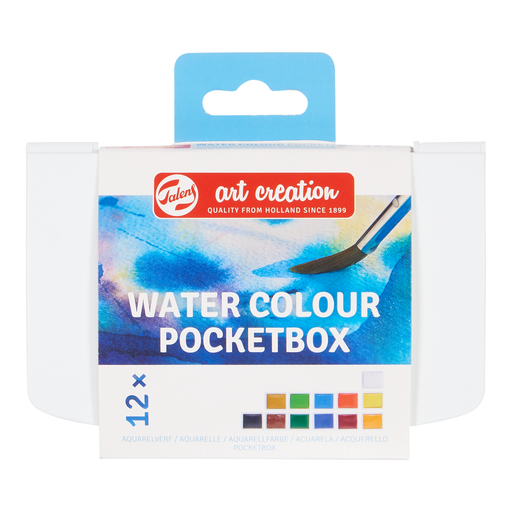
Why this choice suits this profile : This kit contains 12 pans, a reversible brush, a sponge and a lid that doubles as a mixing area, all in a compact format.
The detailed contents and integrated storage reduce the need to buy separate accessories straight away.
12 colours, a sturdy box, a sponge and paint that can be reactivated with water.
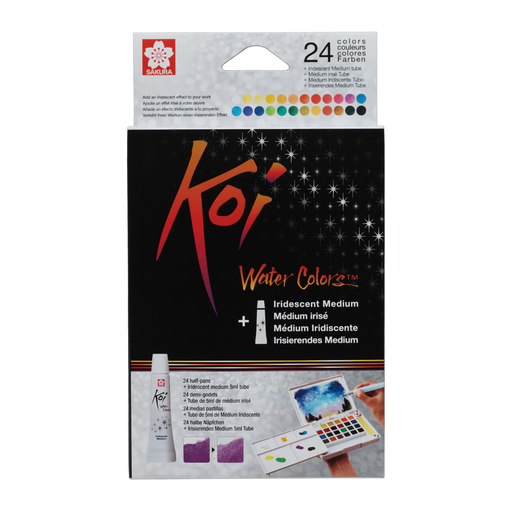
Why this choice suits this profile : The 24 half pans and iridescent medium provide an extended palette for fans of travel journals and decorative effects.
The pocket format lets you keep a wide variety of colours without compromising portability.
24 half pans, an iridescent medium and a case with a mixing area.
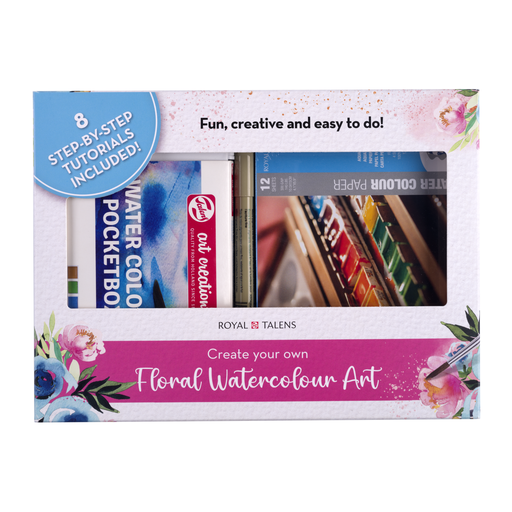
Why this choice suits this profile : Designed for floral motifs, this kit includes paints, brushes, paper and eight progressive lessons covering roses, daisies and peonies, among other subjects.
Its themed contents eliminate the need for scattered purchases and offer a clearly defined learning path.
Equipment combined with guided exercises and focused floral watercolour practice.
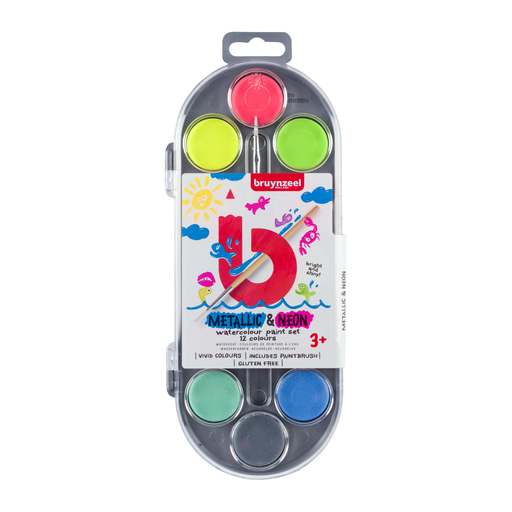
Why this choice suits this profile : The palette contains seven metallic and five fluorescent colours. It is recommended for ages 3 and over and must be used under adult supervision.
The recommended age and usage warnings help you choose a suitable kit rather than a product without clear information.
12 pans, a brush, a lid that doubles as a mixing palette, and effects that show up on both white and black paper.
We have compiled a comprehensive, real-time updated list of products that meet these strict selection criteria and European safety regulations.
For pans, lightly dampen the colour with a clean brush, then wait a few moments before picking it up. Use watercolour paper and test the dilution on a separate sheet. With tubes, squeeze a small amount of paint onto a palette, then gradually add water.
It all depends on how often it is used, how much paint is picked up and the storage conditions. Close the box after each session, clean the brush with water and allow the accessories to dry before putting them away. Dry pans can generally be re-wetted, while tubes should be kept carefully closed to limit drying out.
Check the recommended age, the manufacturer’s warnings and whether any small parts are present. An activity using a children’s watercolour set must take place under adult supervision; the paint must not be swallowed, and contact with the eyes or mouth should be avoided.