
Livraison le jour même ou le lendemain

Qualité garantie

Débloquez vos offres de bienvenue: Livraison GRATUITE | Jusqu'à -80 % | 30 jours d'essai gratuits à JoyPlus
Téléchargez l'application
A water filter jug can improve the taste of your tap water and reduce the need to buy plastic bottles. But you need to choose a model that suits your habits. Too small a capacity, incompatible cartridges or forgotten maintenance – small details can quickly turn a practical purchase into an unnecessary expense.
Before you opt for a BRITA water filter jug, an under-sink water filter or a countertop reverse osmosis system, take a look at the criteria that will make a real difference in your daily routine.
A jug advertised as 2.4 litres doesn’t necessarily deliver 2.4 litres of filtered water in one go. Part of that volume is taken up by the upper reservoir, where the water waits to pass through the cartridge.
For two people, a compact model can work perfectly well. For a family, a large-capacity water filter jug saves you from having to refill it constantly. So always check two separate figures: the total capacity and the actual filtered volume.
The price of the jug is only part of the overall cost. A MAXTRA Pro cartridge typically needs replacing every four weeks, or after filtering the maximum volume stated by the manufacturer. The actual frequency depends on your consumption and the quality of your tap water.
A pack of 4 Brita filter cartridges lets you plan ahead for replacements and covers several months of use. Just make sure it’s compatible with your model before you order.
A water filter jug is designed for cold tap water that is already safe to drink. It is not suitable for untreated spring water, hot water, drinks, or any liquid of unknown composition. Nor does it replace a drinking water analysis or a device specifically designed to treat a particular problem.
To find out which parameters to monitor, also check out our page on drinking water analysis.
Measure the space available in your fridge door before choosing a model. A jug that is too wide or too tall can be difficult to store, especially when full.
Cartridges that combine activated carbon and ion-exchange resin are generally designed to improve taste, reduce odours, chlorine and some limescale. Any claimed performance regarding lead, copper, PFAS or other substances should be checked in the manufacturer’s documentation, taking into account the conditions of use.
In the case of the Brita Maxtra Pro cartridge, the reductions stated are based on information provided by BRITA. They do not constitute a guarantee valid for all water types, nor are they medical advice. Water composition can vary depending on your local area, your home and the condition of your pipes.
For a more advanced solution, an under-sink system can combine several filtration stages while remaining connected to a dedicated tap. A countertop reverse osmosis system, on the other hand, requires a power supply and typically rejects some water during the process. So compare the size, maintenance and water consumption, rather than just relying on the number of stages shown.
A used cartridge cannot be kept indefinitely. Follow the frequency stated in the instructions, even if the maximum volume hasn’t been reached yet. Clean the jug, reservoir and funnel regularly, and store the filtered water in the fridge if it won’t be consumed quickly.
The jugs shown below are intended for cold tap water only. They must not be used with hot water, milk, juice or sparkling water.
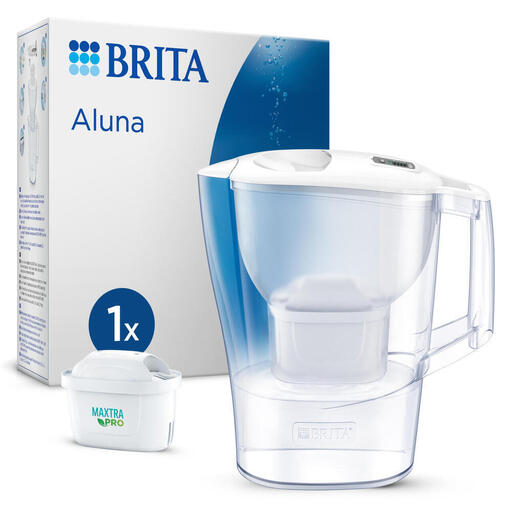
Why this choice suits this profile: With a total capacity of 2.4 litres, including 1.4 litres of filtered water, it’s ideal for daily use and fits easily into your fridge door.
The filtered water volume is clearly stated, and the electronic reminder tells you when it’s time to change the cartridge after four weeks.
A compact design, a MAXTRA PRO cartridge included, and main parts that are dishwasher-safe, except for the lid.
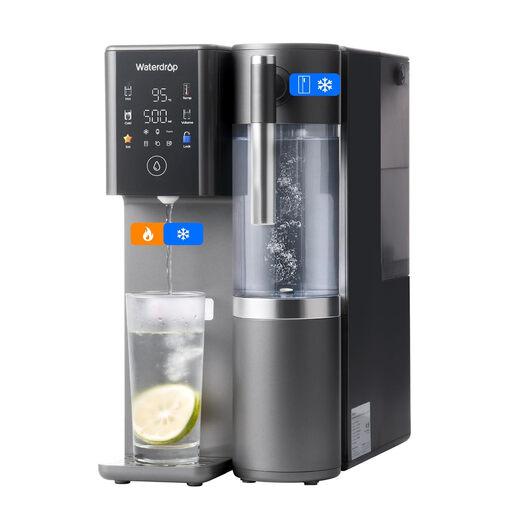
Why this choice suits this profile: This countertop system combines reverse osmosis with hot and cold water dispensing, plus several temperature settings for the kitchen or office.
It saves you from having to refill a jug several times a day and displays TDS and filter status. However, you’ll need a power socket and a way to collect the waste water.
Five claimed filtration stages, six temperatures and five volumes, with a removable 1.1-litre reservoir.
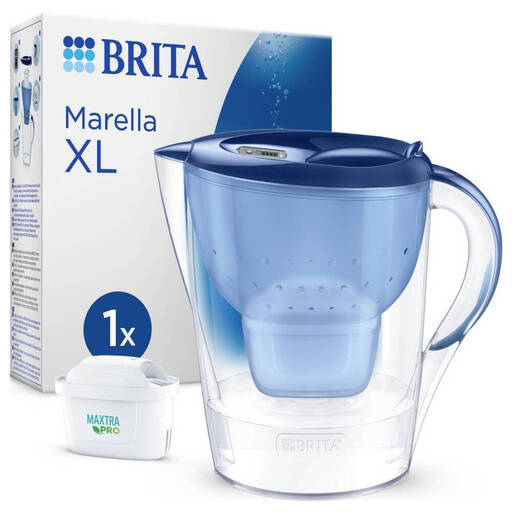
Why this choice suits this profile: With a total capacity of 3.5 litres, it’s ideal for larger families, offices and anyone who wants to avoid constant refilling.
Its XL size solves the problem of a limited supply. The electronic reminder tells you when to change the cartridge, without suggesting it can be used indefinitely.
An XL capacity of 3.5 litres, an automatic opening lid and a cartridge rated for four weeks or 150 litres.
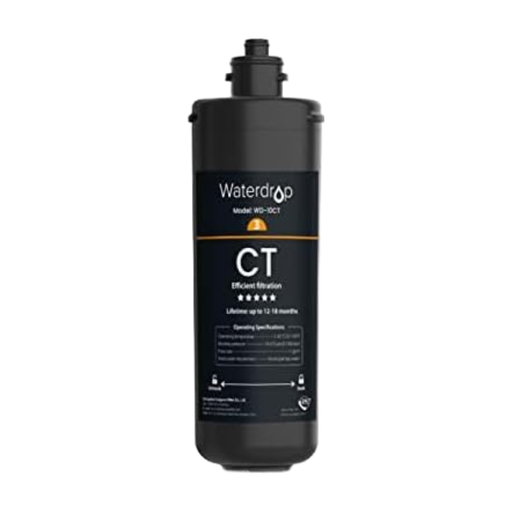
Why this choice suits this profile: This under-sink water filter frees up worktop space and integrates well into a busy fitted kitchen.
The twist-and-replace cartridge is claimed to be tool-free. The 12 to 18-month lifespan is an estimate – it should be adjusted based on your local water quality and consumption.
Three-stage filtration, a claimed 0.5-micron threshold and NSF/ANSI 42 certification, according to the product information provided.
If you choose a BRITA water filter jug, compare the price per cartridge rather than just the initial purchase cost. The pack of 4 Brita Maxtra Pro Pure Performance cartridges includes four cartridges, each designed to last four weeks according to the manufacturer’s guidelines.
This approach makes it easier to drink filtered water without relying on plastic bottles, as long as you follow the replacement, cleaning and storage instructions. For occasional use in the fridge, a compact Brita Marella may be enough. For a family, the XL model reduces the number of refills. If you prefer a permanent installation, the under-sink filter saves valuable worktop space.
We’ve put together a comprehensive, real-time selection of products that meet these demanding criteria and comply with European safety regulations.
The instructions generally recommend drinking the filtered water promptly. At room temperature, avoid letting it sit for too long. In the fridge, follow the time stated by the manufacturer, which is often between 24 hours and a few days, depending on the model.
For the MAXTRA PRO cartridges shown here, the manufacturer recommends replacement every four weeks or after 150 litres, whichever comes first. A cartridge should also be changed if it has been unused for a long period, in line with the instructions.
Cartridges with ion-exchange resin are designed to reduce some limescale. The result depends on your water hardness and the conditions of use. To find out the situation in your area, check local data or consider a water analysis before investing in a more complex system.