
Livraison le jour même ou le lendemain

Qualité garantie

Débloquez vos offres de bienvenue: Livraison GRATUITE | Jusqu'à -80 % | 30 jours d'essai gratuits à JoyPlus
Téléchargez l'application
Staying hydrated is vital. But choosing the right water bottle or the perfect drink can quickly become overwhelming. Faced with marketing hype and a saturated market, it's easy to make the wrong choice. As a product expert at Joybuy, my mission is to help you make sense of it all. Let's break down the common pitfalls to avoid so you can choose products that truly meet your needs.
The market is saturated with products that seem convenient at first, but their flaws quickly become apparent with use. Here are the three classic mistakes that can cost you—and lead to disappointment—in the long run.
To make the right choice, focus on the features that truly matter for your specific use case.
The choice of material is crucial. It directly impacts the taste, durability, and insulation of your bottle.
The capacity should match your daily routine. A 500 ml bottle is fine for a short trip, but a 1L or 1.5L model is better suited for a full day at the office or a gym session. For those who pack their lunch, a wide-mouth food jar is essential. It makes filling, eating, and cleaning easy—a mission impossible with a classic narrow-neck bottle.
At home, alternatives to plastic bottles are becoming more common. A soda maker lets you create your own sparkling drinks on demand, controlling the carbonation level and skipping added sugars. It's a more eco-friendly and economical option than repeatedly buying multipacks, and it also opens the door to creating your own sugar-free drinks.
To help you see how these criteria apply in practice, here are a few products tailored for specific profiles.
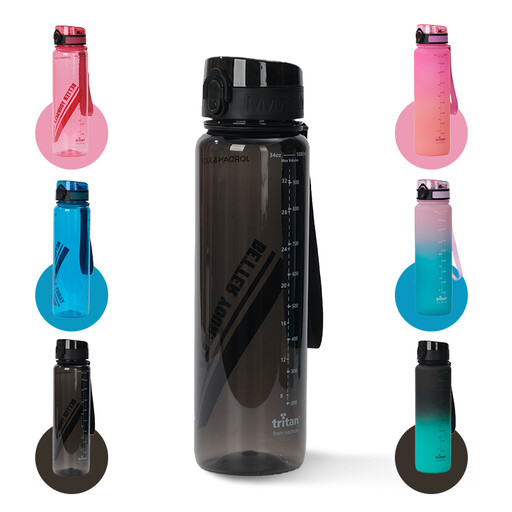
Why it's a great choice: Ideal for sports, the office, or travel, this bottle combines a large 1L capacity with the lightweight durability of Tritan. Its integrated handle makes it easy to carry.
Tritan goes beyond the simple 'BPA-free' label. This material is renowned for its resistance to impact and odours, ensuring better durability and a neutral taste, unlike low-end plastics.
Large 1000 ml capacity to stay hydrated all day. Lightweight, leak-proof design with a convenient carrying handle.
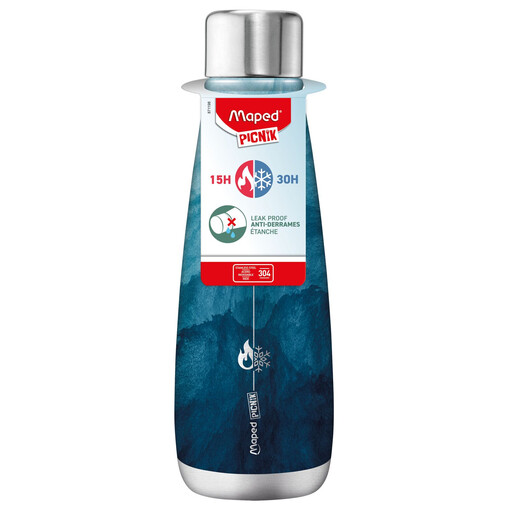
Why it's a great choice: Perfect for taking your coffee in the morning and having fresh water in the afternoon. Its double-wall stainless steel construction provides versatile insulation.
Instead of vague promises, this model relies on proven technology: double-wall vacuum insulation. The manufacturer states up to 15 hours for hot and 30 hours for cold—figures that are far more concrete than typical marketing claims.
Excellent temperature retention. The durable stainless steel doesn't retain odours, thus preserving the purity of the taste.
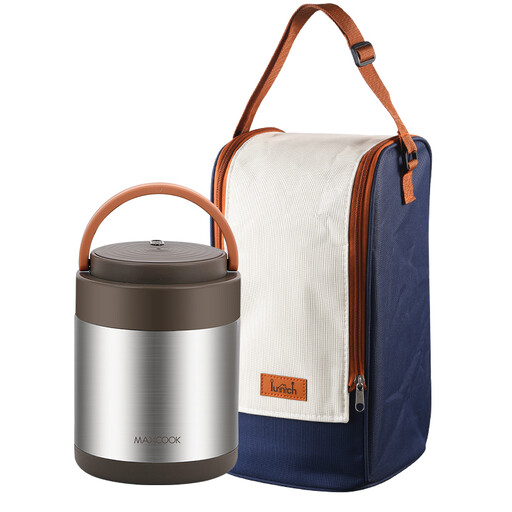
Why it's a great choice: Specifically designed for meals, this food jar is perfect for bringing soups, stews, or hot dishes to the office or on a picnic, keeping them at the right temperature for hours.
This dedicated food jar avoids the pitfall of using a standard bottle that's ill-suited for meals. Its wide mouth is designed for eating directly from the container and simplifies cleaning—something impossible with a narrow neck.
Generous 1.4L capacity. Maintains temperature (hot or cold) for 4 to 6 hours. Leak-proof design for worry-free transport.
We've curated a complete selection of products that meet our selection criteria and current safety standards.
1. Can a Tritan bottle keep drinks hot? No, Tritan is not an insulating material. A Tritan bottle is designed to be lightweight and durable, but it will not maintain the temperature of hot or cold drinks. For that, you must use a double-wall insulated stainless steel bottle.
2. What's the difference between 304 (18/8) and 316 stainless steel? For everyday use, the difference is minimal. 304 (or 18/8) steel is the food-grade standard, perfectly safe and corrosion-resistant. 316 steel contains molybdenum, which enhances its resistance to corrosion (especially from salt and acids). It's often considered a 'premium' grade, but for carrying water or coffee, 304 is more than sufficient.
3. How do I clean my bottle properly to prevent bad odours? A daily wash with hot, soapy water is ideal. For a deep clean, a bottle brush is essential to reach the bottom. You can also fill it with a mixture of hot water and baking soda (or white vinegar), let it sit for several hours, then rinse thoroughly. Most importantly, always let the bottle air dry completely with the lid off to prevent bacteria growth.