
Livraison le jour même ou le lendemain

Qualité garantie

Débloquez vos offres de bienvenue: Livraison GRATUITE | Jusqu'à -80 % | 30 jours d'essai gratuits à JoyPlus
Téléchargez l'application
Water baby wipes are incredibly handy for nappy changes, outings, or cleaning little hands and faces. But the phrase “water-based” on the pack isn’t enough to judge its quality. The ingredients, format and disposal instructions can make a real difference in everyday use.
Before you buy baby cleansing wipes, take a moment to steer clear of three common pitfalls.
A wipe can be made up largely of water while still containing fragrance or several preservatives. If you’re looking for fragrance-free baby wipes, check the INCI list rather than relying solely on the front of the pack. Claims like “gentle” or “for sensitive skin” are marketing positions – they don’t replace reading the ingredients.
A so-called hypoallergenic formula is generally designed to reduce the risk of an allergic reaction, but it doesn’t guarantee the same tolerance for every child. For baby wipes for sensitive skin, choose a short ingredients list, monitor your baby’s skin reaction during the first few uses, and stop using the product at the first sign of irritation.
A large pack can lower the cost per wipe, provided it matches how quickly you use them. A poorly sealed opening encourages drying out, especially in a changing bag or a warm room. To keep them moist, close the lid or resealable label carefully after each use and follow the instructions on the packaging.
For daily nappy changes, look for baby wipes without alcohol, with a water base and moisturising agents like glycerin. Fragranced formulas may suit some families, but parents who want to limit unnecessary ingredients will prefer fragrance-free wipes.
The term hypoallergenic baby wipes should always be checked against the ingredients list. A formula can be marketed as hypoallergenic yet still contain fragrance, even among some products aimed at sensitive skin. Also check the usage precautions: for external use only, avoid contact with eyes, and stop use if any discomfort occurs.
Plant-based fibres don’t automatically guarantee the product is biodegradable in all conditions. Eco-friendly baby wipes may include FSC-certified fibres, cellulose or a plastic-free substrate. Check the precise information provided by the manufacturer, as well as local guidelines for sorting the packaging.
Even when a product is marketed as biodegradable wipes, don’t automatically flush them down the toilet. Unless explicitly stated, the products featured here should be disposed of in the bin. That’s the best way to avoid blocked drains.
A small pack of 10 or 20 wipes slips easily into a changing bag, while a bulk pack of 216, 240 or 864 wipes is better suited for regular use at home. For nappy change wipes, compare the total number of wipes, but also their size, thickness and how easily you can pull one out.
Models described as baby wipes for face and body offer greater versatility. For a newborn, look specifically for the phrase baby wipes from birth or “from 0 months” on the product page.
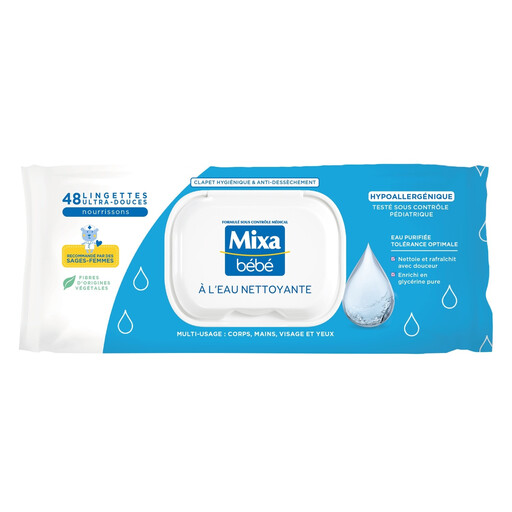
Why this choice suits this profile: With 48 wipes, this pack lets you try a formula made with purified water and glycerin without ending up with a huge stock. These wipes are designed for the face, body and hands.
The product page mentions a hypoallergenic formula and a moisture-seal flap. However, it does list fragrance in the ingredients – something to check before buying if you’re looking for a fragrance-free formula.
48 wipes, glycerin, plant-based fibres and FSC certification stated on the product page.
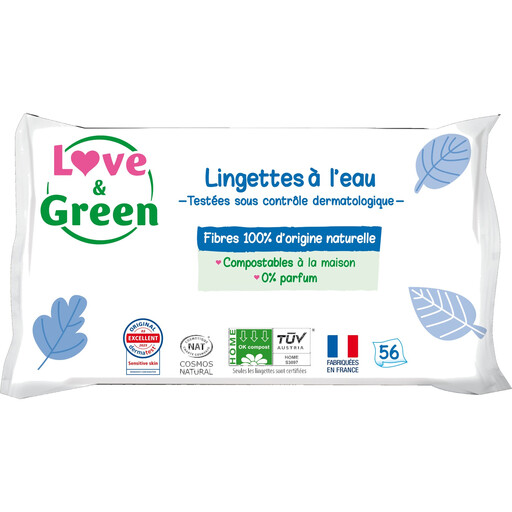
Why this choice suits this profile: This product is aimed at parents who care about ingredients, the fibres used and the packaging, while also wanting wipes suitable from birth.
The product page states a fragrance-free, plastic-free formula made with 98% naturally derived ingredients. These details are precise enough to help you better assess the environmental claims.
FSC-certified natural fibres, COSMOS NATURAL certification stated, and recyclable mono-material packaging according to the product page.
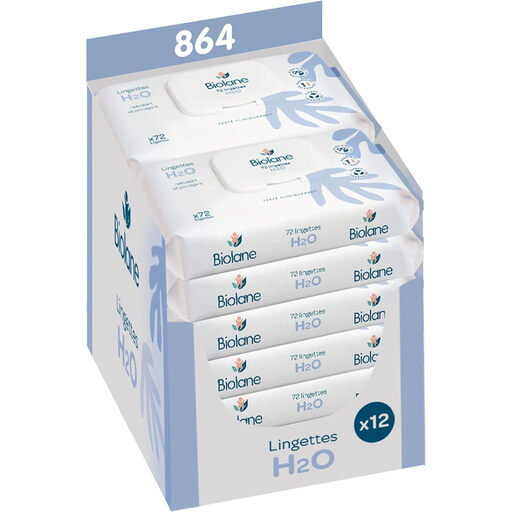
Why this choice suits this profile: With 864 wipes, this bulk pack is ideal for households that use them regularly for nappy changes, face and body, both at home and on the go.
The packaging in 12 packs of 72 wipes makes it easy to rotate your stock. The product page states the formula is alcohol-free and recommends closing the lid to prevent drying out.
864 wipes, pH balanced, no-rinse use and suitable from birth. The ingredients list does, however, include fragrance.
We’ve put together a comprehensive, real-time updated selection of products that meet these exacting criteria as well as European safety regulations.
Yes, some products are labelled for use from 0 months or from birth. Check for this mention on the product page and choose a formula suited to your needs. If your baby’s skin is irritated or broken, ask a healthcare professional for advice before introducing a new product.
It depends on the material and the information provided by the manufacturer. The presence of plant fibres or cellulose, and the absence of plastic, are useful indicators, but they don’t necessarily mean the wipe can be flushed down the toilet. Always follow the instructions on the packaging and use the bin when the product isn’t explicitly designed to be flushed.
Keep the pack in a dry place at a moderate temperature, and close the opening carefully after each use. In a changing bag, a small pack of 10 to 64 wipes limits the storage time after opening. With a large bulk pack, open the individual packs as you need them so you don’t leave several opened packs drying out at the same time.