
Livraison le jour même ou le lendemain

Qualité garantie

Débloquez vos offres de bienvenue: Livraison GRATUITE | Jusqu'à -80 % | 30 jours d'essai gratuits à JoyPlus
Téléchargez l'application
Choosing washing-up liquid seems simple. Yet between degreasing claims, citrus fragrances and eco-friendly credentials, differences in formulation can affect ease of use, consumption and skin tolerance. Whether you live with family, as a couple or on your own and regularly wash dishes by hand, a few criteria can help you avoid buying a product that is not right for you.
The label concentrated washing-up liquid does not necessarily mean that a small amount will be enough in every situation. Also check the recommended dosage, the bottle size and whether the product can be applied directly to the sponge.
A very foamy liquid can create an impression of effectiveness without reducing the amount used. To compare two products, look instead at:
Lemon, raspberry, almond, basil or cotton flower: fragrance makes washing up more pleasant for some people, but it may not suit those looking for fragrance-free washing-up liquid. Fragranced formulas may contain scented substances that some users prefer to limit their exposure to.
The term hypoallergenic indicates that the formula has been designed to reduce the risk of a reaction, but it is not an individual guarantee. If you have reactive skin, check the ingredients list, avoid prolonged contact and rinse your hands and dishes thoroughly.
Natural washing-up liquid, including bicarbonate-based formulas, may still contain cleaning agents, preservatives and fragrance. The natural origin of an ingredient is therefore not enough to assess skin tolerance or the product’s overall environmental impact.
For greater clarity, look for an identifiable certification such as the EU Ecolabel, then check the recommended dosage and the packaging instructions. Even when it bears the EU Ecolabel, washing-up liquid is still a detergent and should be used according to the instructions on the label.
For frying pans, baked-on dishes and oily residue, look for a formula described as degreasing washing-up liquid. Vinegar, lemon or bicarbonate may feature in the marketing message, but they do not replace checking the ingredients and instructions for use.
A concentrated formula applied directly to the sponge can be practical for targeted washing. For everyday dishes that are not very dirty, diluting the liquid in a bowl often makes it easier to control water and product consumption.
Products intended for sensitive skin generally highlight a hypoallergenic formula, the absence of certain ingredients or a high proportion of naturally derived ingredients. These statements reflect the characteristics advertised by the brand and do not replace medical advice.
The claims ‘fragrance-free’ and ‘0% fragrance’ meet a specific need, particularly when smells are bothersome. Even in this case, the product may contain surfactants and preservatives. Wear gloves if contact is prolonged and always read the safety warnings.
Eco-friendly washing-up liquid may offer several verifiable features:
These claims should not make you forget about dosage. Using more product than necessary increases consumption, whatever label is displayed.
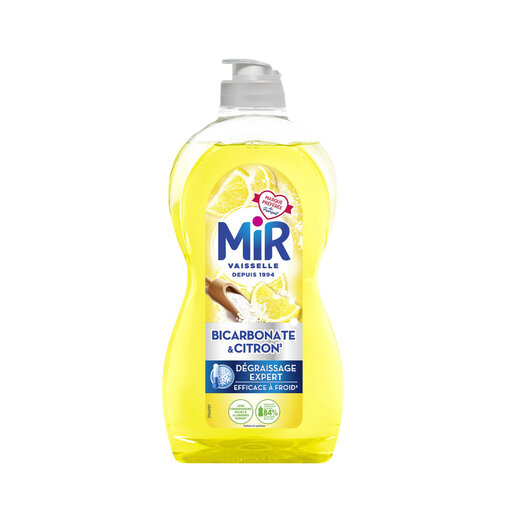
Why this choice suits this profile : its 450 ml size and stated dosage of 2.5 to 5 ml per 5 litres of water provide a simple guide for getting started with washing up by hand.
The product details describe a highly concentrated formula that can be applied directly to the sponge, helping you avoid guessing the dosage.
Bicarbonate, lemon fragrance and French manufacture are stated on the product page. Suitable for washing dishes by hand, not for use in a dishwasher.
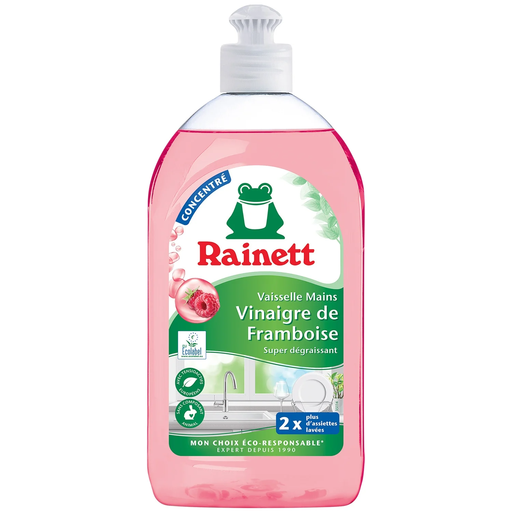
Why this choice suits this profile : this product combines eco-friendly credentials, a raspberry vinegar fragrance and a 500 ml size suited to everyday washing up.
The product details mention the EU Ecolabel, along with a bottle made from recycled and recyclable plastic, rather than making a simple eco-friendly claim.
Plant-based surfactants, stated degreasing action and a 500 ml bottle. For washing dishes by hand only.
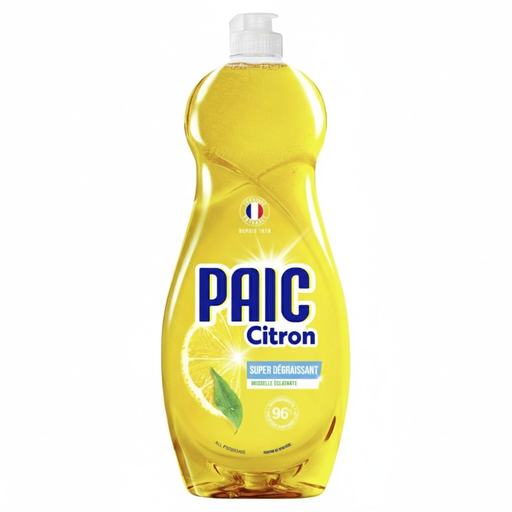
Why this choice suits this profile : its 750 ml volume is aimed at households that frequently wash frying pans, saucepans and large quantities of dishes by hand.
The large size means fewer replacements, while the product details specify the precautions to take if it comes into contact with the eyes or skin.
750 ml size, lemon fragrance and a degreasing formula advertised as effective in cold water. Not intended for use in a dishwasher.
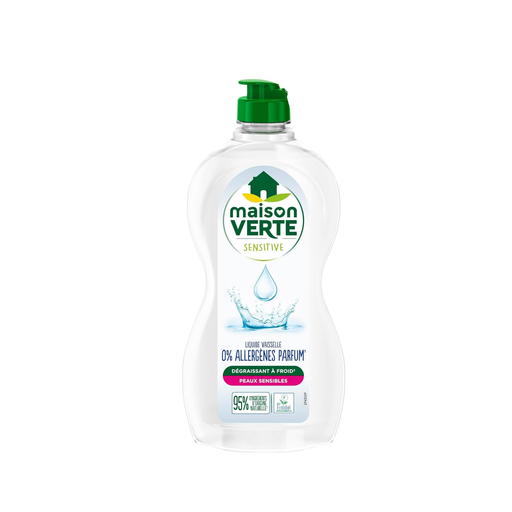
Why this choice suits this profile : the stated absence of fragrance and its positioning for sensitive skin meet the needs of households wishing to limit smells and fragranced ingredients.
The product details specify ‘0% fragrance and allergens’ and state that it works at 20 °C, making it easier to choose when compared with fragranced formulas.
EU Ecolabel certification stated, 500 ml size and fragrance-free formula. In the event of irritation, stop using the product and follow the instructions on the label.
Even effective washing-up liquid loses some of its appeal if the sponge is left sitting in a puddle of water. A sink sponge holder should allow water to drain away, stay firmly in place and be easy to clean. The TAILI double-compartment model attaches with a suction cup to a smooth, non-porous surface. Its product details state a maximum load of 3 kg, dimensions of 14.2 × 11.3 cm and a removable tray.
For a kitchen sink organiser that sits on the worktop, the Maxcook model in 304 stainless steel measures approximately 21 × 10 × 8.4 cm. Depending on the configuration shown, it can hold a sponge, brush and soap dispenser. Clean the stainless steel with a damp cloth and mild detergent, then dry it to help prevent water marks.
Choose a product that clearly states it is suitable for sensitive skin, is hypoallergenic or is fragrance-free. Even so, take the time to read the ingredients and avoid prolonged contact. Gloves may be useful when you need to wash a large quantity of dishes.
The shelf life depends on the label and the manufacturer’s recommendations. Keep the bottle closed and upright, away from heat and sunlight. Follow the use-by date or the period after opening when this is shown on the packaging.
Follow the recommended dosage, preferably use a bowl rather than leaving the tap running, and soak very dirty dishes first. Compare the price per volume, but also the recommended dosage: a large bottle is not necessarily more economical if the amount used for each wash is high.