What should you check before choosing ?
First rule out any appliances that won’t fit or open properly, then check that the capacity suits your usual laundry loads. Whether you need drying in the same space and the appliance’s usage information can help you decide between the remaining options.
| What matters |
What to check |
What consumers say |
| Space and loading |
Compare the appliance’s overall dimensions with the available space, then check the clearance needed for the door or the headroom above a top-loader. |
In a narrow room, I need to be able to open and load the machine once it’s installed, not just fit it into the alcove. Around 36 % of consumers would prioritise this installation requirement. |
| Washing capacity |
Think about your usual loads and any bulky items you wash regularly; also check the maximum load for the programmes you use. |
When the laundry baskets are often full, I want to avoid running extra cycles without choosing a drum that’s rarely full. Around 29 % of consumers would put capacity first. |
| Drying at home |
For a washer-dryer, compare the washing and drying capacities, as well as the figures for a wash-and-dry cycle. |
If there’s no room for a second appliance at home, I need to know how much laundry can actually be dried after washing. Around 21 % of consumers would prioritise having washing and drying in one space. |
| Use and durability |
Read the energy label information and, for applicable front-loading and top-loading washing machines in France, check the durability score and its breakdown. |
Once I’ve found the right fit and capacity, I want to compare appliances based on their usage and durability information. Around 14 % of consumers would make this their priority. |
Washing machines to compare
These washing-only machines let you compare two top-loaders for narrow spaces with three front-loading models of different capacities. If you need drying in the same space, compare a washer-dryer’s washing and drying capacities separately.
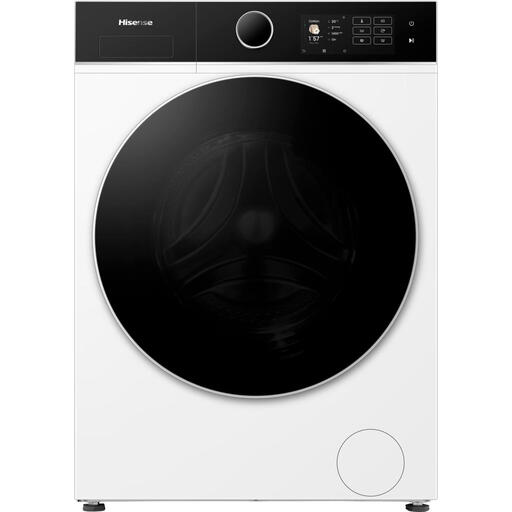 Image unavailable
Hisense WF5I8043BWF, 8 kg front-loader
Consider this model if you want an 8 kg capacity without too much depth: the product information gives a depth of 470 mm. Its name also specifies a spin speed of 1 400 rpm and an Inverter motor. Before choosing this front-loader, check its overall depth, door clearance and space for connections against the space you have.
View on Joybuy
 Image unavailable
Candy TCA464TM4-S ProWash 500, 6 kg top-loader
Its top-loading design and stated width of 40,5 cm are worth considering if space is narrow. The model has a 6 kg capacity, a spin speed of 1 400 rpm and a B energy rating. Think about whether this capacity will suit your often-full laundry baskets, and check that the lid can open fully.
View on Joybuy
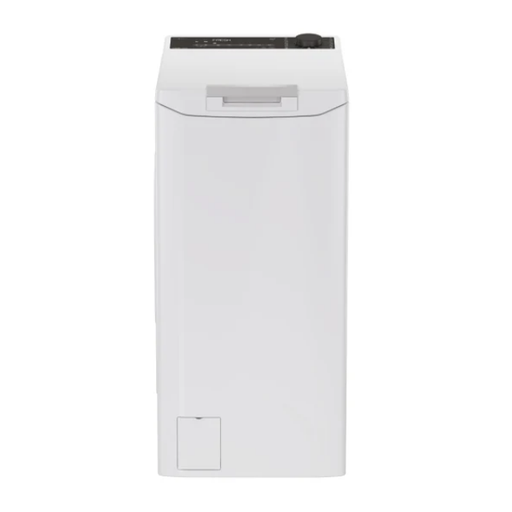 Image unavailable
Haier T Series 7 THASN276TM6-S, 7 kg top-loader
If width is limited, the product information for this model gives a width of 40,5 cm and a capacity of 7 kg. The model name specifies a spin speed of 1 200 rpm and an A energy rating. Check that there’s enough height to open the lid and that 7 kg will suit your regular loads.
View on Joybuy
 Image unavailable
Electrolux EWF1410N2, 10 kg front-loader
Its stated 10 kg capacity is worth considering if you regularly wash large loads, rather than only needing extra capacity occasionally. The dimensions given for this model are 847 × 597 × 658 mm: also measure the clearance needed for the door and connections. Check the maximum loads for the programmes you plan to use.
View on Joybuy
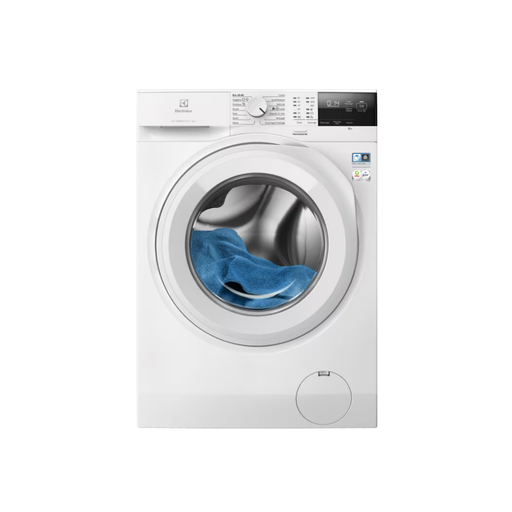 Image unavailable
Electrolux EW6FI4805AW, 8 kg front-loader
This 8 kg front-loader is worth considering if you’re looking for a mid-range capacity and have enough space in front of the door. The dimensions given for this model are 847 × 596 × 576 mm; the model name also specifies a spin speed of 1 400 rpm and SensiCare. Check the overall depth with the connections in place and allow enough room to open the door fully.
View on Joybuy
Frequently asked questions
What should you measure before ordering a washing machine ?
Measure the available width, height and depth, as well as the access route and space needed to open the appliance. A front-loader needs clearance in front of its door; a top-loader needs room above it to open the lid. Check the overall dimensions and connection requirements for the model you’ve chosen.
Will an 8 or 10 kg capacity always reduce energy use ?
No. According to UFC-Que Choisir, a capacity that’s too small can mean more cycles, while a drum that’s too large and rarely full can waste energy. Choose a capacity to suit your usual dry laundry loads and check the limit for the programmes you use.
Can a washer-dryer dry a full washing load ?
Not necessarily: as UFC-Que Choisir points out, its drying capacity is lower than its washing capacity. To run both functions one after the other, load the machine according to its drying limit or remove some of the laundry after washing.
Which washing machines are covered by the durability index in France ?
The French Ministry of the Economy states that, for applicable front-loading and top-loading washing machines, the durability index has replaced the repairability index since 8 April 2025. The score out of 10 and its breakdown can help you compare these appliances, but you should still check their capacity and dimensions.
What should you compare on a washing machine’s energy label ?
ADEME recommends checking the energy rating, consumption in kWh per 100 cycles, capacity and duration of the Eco 40-60 programme. Compare figures for the same type of cycle; for a washer-dryer, also check the wash-and-dry figures.


