What should you look for?
For a semi-detached home, shortlist models by their stated spin-cycle noise level, then check that their format allows for a stable installation.
| Criterion |
What to check |
Who is this important for? |
| Spin-cycle noise |
Compare the dB(A) level and noise class shown on the label for the exact model. These European figures relate to airborne noise emissions during the spin cycle. |
If the spin cycle could disturb the neighbours, I want to compare machines using a consistent figure rather than a “quiet” claim; around 34% of consumers rank this as their top priority. |
| Installation stability |
Make sure the floor is flat and stable, the feet can be adjusted and the transit bolts will be removed as instructed in the manual. |
If the machine could knock against its surroundings, I want to start with an installation that minimises movement; stability is the top priority for around 33% of consumers. |
| Size and access |
Measure the space, connections and clearance needed to open the door or lid. Then compare the capacity of the models that will fit. |
In a narrow utility room, I need to be able to load the laundry and access the appliance without compromising its installation; around 22% of consumers prioritise size and access. |
| Existing noise |
Check how the load is distributed and that the machine is installed correctly. If an unusual noise persists, consult the manual and consider getting the appliance checked before buying an accessory. |
My machine already moves around: I want to know whether it needs adjusting or repairing before I replace it; for around 11% of consumers, resolving this issue comes first. |
Washing machines available on Joybuy
These two front-loading washing machines are worth considering if you’re looking for a particular capacity and spin-cycle noise level for a semi-detached home. Compare their noise labels and installation requirements before choosing.
 Image unavailable
Electrolux EWF1410N2, 10 kg front-loading washing machine
This front-loading model is worth considering if a 10 kg capacity suits your laundry needs and the space you have available.
Its product sheet lists a spin-cycle noise level of 76 dB. Before comparing this figure with other machines, check the dB(A) level and noise class on the label for the exact model. Also make sure it’s level when installed.
View on Joybuy
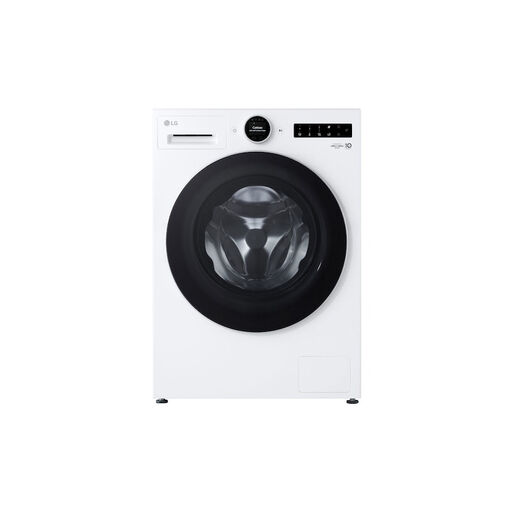 Image unavailable
LG F4WX851Y, 11 kg front-loading washing machine
This 11 kg front-loading model is worth considering if you need this capacity and have a suitable space for it.
Its product sheet lists a spin-cycle noise level of 71 dB and adjustable feet. Check the dB(A) level, noise class and dimensions for the exact model before comparing it or planning its installation. Also confirm that it’s suitable for the electrical installation you have planned.
View on Joybuy
Frequently asked questions
Which figure should I compare for washing machine noise?
Compare the airborne noise level during the spin cycle in dB(A), along with the noise class shown on the label for the exact model. These figures on the European energy label can help you shortlist machines, but they don’t describe vibrations transmitted by a particular installation.
Does a lower spin speed always mean less disturbance for the neighbours?
No. Spin speed alone can’t tell you a model’s stated noise level or how much it will vibrate once installed. Compare the noise figure on the label, then check the floor, that the machine is level and how the laundry is distributed.
Is an anti-vibration mat enough if the machine moves?
A mat can’t replace a stable installation. First check that the transit bolts have been removed, the feet are firmly in place and the load is balanced. If the machine still moves or makes an unusual noise, consult the manual and consider getting it checked.
What should I check before the first spin cycle?
Remove the transit bolts as instructed in the manual, place the appliance on a flat, stable floor, adjust its feet and check the connections. Then load the drum without exceeding the manufacturer’s recommendations and distribute the laundry evenly to reduce the risk of an imbalance.


