When sharing a home, choose a capacity based on the loads your housemates can realistically combine, then compare the water and energy use, as well as the spin noise, on each model’s label. A front-loading washing machine is a good fit if the door can open without blocking the way; a top-loading model may suit a different space constraint. A delay-start function can make it easier to plan washing slots, but only if everyone knows when to take their laundry out.
Who is this guide for?
Housemates who combine their laundry
You can regularly combine laundry from several people and want to avoid running lots of separate cycles. Compare the capacity with the amount of laundry you’ll actually combine, then check the consumption figures for each model. ADEME recommends choosing a capacity that suits your needs.
Housemates who are sensitive to spin noise
The washing machine is near a bedroom, living room or neighbours. Check the stated spin noise, but also make sure it’s installed on a level surface and that the load is evenly distributed: Electrolux lists these among the possible causes of vibrations.
Housemates with a narrow utility room
You need to be able to install and open the machine without blocking the way. A top-loading model may work for this kind of space, provided you also check there’s enough room above it and that its capacity suits your shared loads.
What should you look for?
For a shared washing machine, start with the loads your housemates will genuinely combine. Then consider noise, consumption figures and available space. Don’t assume that a larger capacity will suit every home.
| What to consider | What to check | Who might find this useful? |
|---|
| Capacity and cycles |
Capacity in kg and the amount of laundry you’ll actually combine; then compare the water used per cycle across the models you’re considering. |
If we combine several loads, I want a drum that’s the right size without running half-empty cycles; around 36% of consumers would put capacity and the number of cycles first. |
| Noise and vibrations |
Stated spin noise in dB; also check that the floor allows the machine to be installed securely and level. |
If there’s a bedroom near the machine, I mainly want to reduce disruption during the spin cycle; nearly 29% of consumers would prioritise noise and vibrations. |
| Water, energy and spin performance |
Litres per cycle, kWh per 100 cycles and spin-drying efficiency class on the model’s label. |
If the machine runs often and laundry dries indoors, I want to compare consumption and spin performance; around 21% of consumers would make these their top consideration. |
| Space and scheduling |
Dimensions, clearance needed to open the machine and whether the model has a delay-start function. |
In a small shared utility room, I need to be able to open the machine and organise washing slots; around 14% of consumers would prioritise the machine’s footprint and timing. |
Mistakes to avoid
-
Choosing the biggest drum without planning shared loads
A large capacity won’t prevent half-empty cycles if everyone washes small loads separately. ADEME says that 7 kg is enough in most cases; in a shared home, your choice should be guided by the amount of laundry you’ll actually combine.
Estimate the loads your housemates are happy to combine regularly before comparing capacities and consumption figures.
-
Relying on the stated decibel figure alone
The stated noise level doesn’t tell you everything about the vibrations you might feel around the home. Electrolux lists incorrect levelling, transport bolts left in place and an unevenly distributed load among the possible causes of shaking during the spin cycle.
Compare the same noise measure across models and follow the installation instructions, including guidance on removing transport bolts and levelling the machine.
-
Assuming a top-loading machine solves every space problem
This design can avoid the clearance needed for a front-loading door, but capacity, noise and consumption depend on the model. You’ll also need enough room to open the lid where the machine will stand.
Measure the space and compare each appliance’s label rather than assuming its performance based on its design alone.
-
Confusing a commercial guarantee with your statutory rights
In France, the Ministry of the Economy explains that the statutory guarantee of conformity applies to goods sold by a business to a consumer. A commercial guarantee is separate: its advertised duration alone doesn’t tell you what extra cover it provides.
Read the written terms and compare what’s covered, any exclusions and how claims are handled against your applicable statutory rights.
Brands to consider for certain models
Bosch
The Bosch WGG244F1FR front-loader is worth considering if combining loads makes a 9 kg capacity a good fit.
- Bosch lists dimensions of 845 × 598 × 588 mm and a maximum spin speed of 1 400 rpm for this model. Check you have enough space in front of the door.
- Bosch notes that the maximum speed may be reduced automatically if the load is unbalanced. These features don’t apply to all its washing machines.
Whirlpool
The Whirlpool TDLR6242SFR/N is an example of a 6 kg top-loader with a delay-start function, worth considering if access to a front-loading door would be awkward.
- Whirlpool lists a delay start of 1 to 24 hours and water consumption of 43 litres per Eco cycle for this model.
- Its product information lists 56 kWh per 100 cycles, 76 dB and energy class C. Compare these figures with other models you’re considering rather than assuming they apply to the whole range.
Electrolux
Electrolux presents its top-loading washing machines as an option for narrow spaces, with capacities of 6 or 7 kg depending on the model.
- A top-opening lid means you don’t need to leave clearance for a front-loading door; just make sure there’s enough space above the machine.
- The brand describes SensiCare as a feature that adjusts the cycle length to the load. When choosing a specific appliance, also compare its capacity and figures for noise, water, energy and spin performance.
Washing machines for different shared-house needs
These front- and top-loading models suit different space and capacity requirements in a shared home. For each one, check the available space and the size of the loads you’ll actually combine.
 Image unavailable
Haier T Series 7 THASN276TM6-S, 7 kg top-loading washing machine
A top-loading design may suit you if a front-loading door would block the way, provided 7 kg is right for your shared loads.
Stated maximum spin speed: 1 200 rpm; stated energy class: A. Check there’s enough room to open the lid and look at the stated spin noise.
View on Joybuy
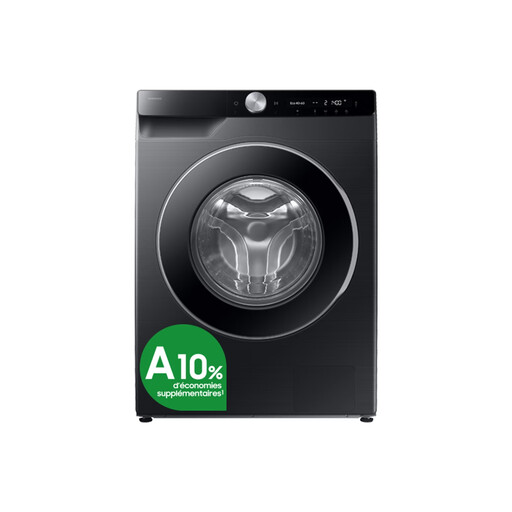 Image unavailable
Samsung WW90DG6U85LBU3 AI Wash 6000 Series, 9 kg
Consider this front-loader if your housemates combine loads that suit a 9 kg capacity and there’s enough clearance in front of the door.
Stated energy class: A. Check the depth with the door included, and compare the spin noise and water and energy figures on the label.
View on Joybuy
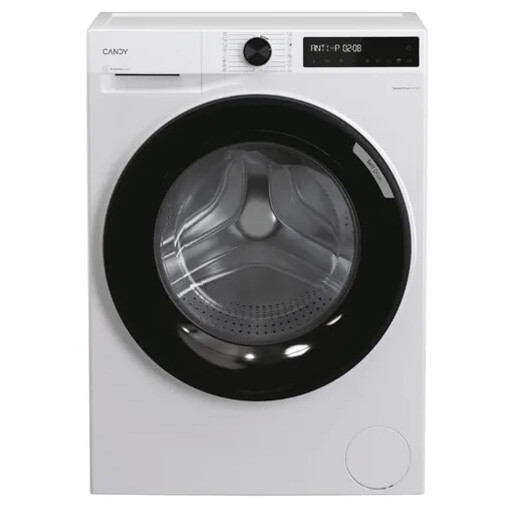 Image unavailable
Candy BR 411BL9-S, 11 kg front-loading washing machine
An 11 kg capacity is worth considering only if your housemates regularly combine loads of that size.
Stated energy class: A. Check the machine’s depth, the clearance needed in front and the consumption figures on its label.
View on Joybuy
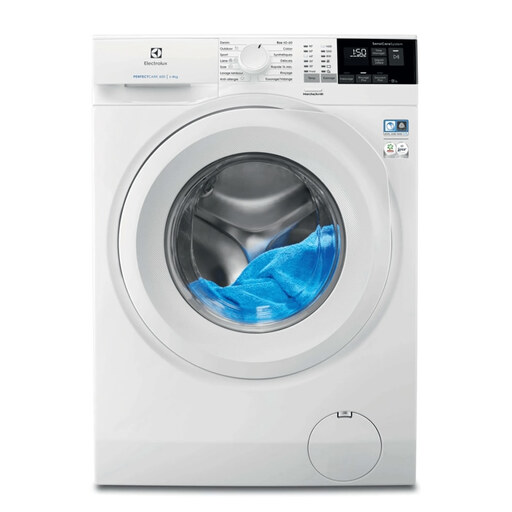 Image unavailable
Electrolux EW6F4109RA, 9 kg front-loading washing machine
This front-loader is worth considering for shared loads suited to a 9 kg capacity, provided its footprint and door clearance work in your home.
Stated maximum spin speed: 1 400 rpm. Before comparing its consumption, check the label for the exact model: the energy class information associated with this product is inconsistent.
View on Joybuy
 Image unavailable
Candy TCA464TM4-S ProWash 500, 6 kg top-loading washing machine
Consider this top-loader if floor space is limited and a 6 kg capacity is enough for your household’s loads.
Stated maximum spin speed: 1 400 rpm; stated energy class: B. Check that the lid can open fully and compare the spin noise with the other models you’re considering.
View on Joybuy
Frequently asked questions
Is an energy label required for a new washing machine bought online in France?
Yes. An energy label is required for a new washing machine sold online in France, as the Ministry of the Economy explains. Use it to compare the models you’re considering. This requirement for new appliances doesn’t apply in the same way to second-hand products.
What should you look for on the label of a shared washing machine?
Compare capacity, water per cycle, energy per 100 cycles, spin performance and noise. ADEME mainly recommends matching capacity to your needs: the number of people in the household alone doesn’t tell you how much laundry you’ll actually combine.
Why does a washing machine vibrate even when its stated noise level seems acceptable?
The stated noise level is no substitute for correct installation. Electrolux lists transport bolts left in place, a machine that isn’t level, overloading and unevenly distributed laundry among the possible causes of shaking during the spin cycle.
Does a commercial guarantee replace your statutory rights after purchase?
No. In France, the Ministry of the Economy says that the statutory guarantee of conformity applies to goods sold by a business to a consumer; a commercial guarantee is separate. Before choosing one, read exactly what extra cover it provides and how claims are handled.


