Households doing laundry very frequently
If your everyday laundry regularly fills the basket, the size of your usual loads matters more than the occasional bulky item.


Choose a capacity based on the loads you wash regularly, rather than occasional duvets alone. According to Que Choisir, 10 to 12 kg is worth considering when you do back-to-back loads, while 12 to 15 kg is mainly for regularly washing thick, bulky items. A front-loader gives you more choice for large loads. If space means you need a top-loader, check that its capacity is sufficient and that you can open the lid easily.
Que Choisir makes a distinction between households doing back-to-back loads and those washing bulky items. These needs don’t necessarily call for the same capacity.
If your everyday laundry regularly fills the basket, the size of your usual loads matters more than the occasional bulky item.
If you regularly machine-wash thick duvets, throws and sheets, check that they’ll fit in the drum. Don’t choose a machine for every wash based on an occasional need.
The width of the space, the available depth and room to open the machine can all limit your options, even if you have large loads.
Start with the laundry you wash most often, then check the installation requirements and the consumption figures for the model you’re considering.
| What matters to you | What to check | Who is this for ? |
|---|---|---|
| Everyday laundry | Compare the capacity in kg of dry laundry with the size of your usual loads. Que Choisir puts very frequent family washing in a range where 10 to 12 kg is worth considering. | If the laundry basket is always filling up, I want to avoid splitting my big loads. Around 36 % of consumers put this recurring need at the top of their list. |
| Bulky items | Check the capacity and care instructions for your duvets. A dedicated programme doesn’t necessarily mean they’ll fit. | If I regularly wash thick duvets and throws at home, I need a drum that can handle them. This frequent washing would be the top priority for around 29 % of consumers. |
| Varying load sizes | Check how load adjustment works on the specific model and compare the water and energy figures on its label. | I alternate big loads with delicate items or smaller separate loads, so I’m looking for a machine that can handle that variation. This is the main need for around 21 % of consumers. |
| Space and access | Measure the width, depth and height, and allow room to open the machine. Que Choisir says a top-loader is about 40 cm wide, but its report on the French market notes that this format has a maximum capacity of 8 kg. | In a narrow room, I need to make sure I can install and open the machine before looking for a larger capacity. This is the main constraint for around 14 % of consumers. |
Que Choisir warns against buying a machine with a larger capacity than you need if you rarely use it for full loads. Drum size alone doesn’t tell you how much the machine will use for your laundry.
Distinguish between frequent large loads and the occasional duvet wash. If you mostly do small loads, check how load adjustment works and review the energy label figures for the model.
A top-loader can be easier to fit in some narrow spaces, but Que Choisir’s report on washing machines in France says these models have a maximum capacity of 8 kg. Very large loads may therefore need to be split across several cycles.
Measure your space, then decide whether the narrower width matters more than regularly washing thick duvets or large loads of laundry.
ADEME recommends checking the energy label for details such as water use, energy consumption and noise, rather than focusing only on the rating letter.
For models with similar capacities, also compare the kWh per 100 cycles, litres per cycle, programme duration and noise figures on the label. These reference figures don’t cover every programme or load you’ll wash.
A front-loader needs space in front of the door, while a top-loader needs clearance above it. So even if a machine fits in its space, it may still be difficult to load.
Measure the room and the delivery route, then compare these with the exact dimensions of your chosen model and the clearance it needs.
These front-loaders suit two types of laundry routine: 10 kg models for frequent, large family loads, and 8 kg models to consider if your load sizes vary. Check the available space and the care instructions for bulky items separately.
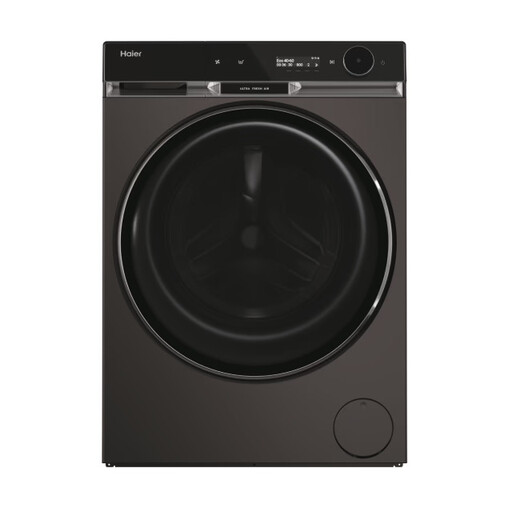 Image unavailable
Worth considering if you regularly have large family loads. The model name indicates a 10 kg capacity, 1 400 rpm and an A rating. Check the dimensions, clearance for the door and the care instructions for your duvets before choosing.
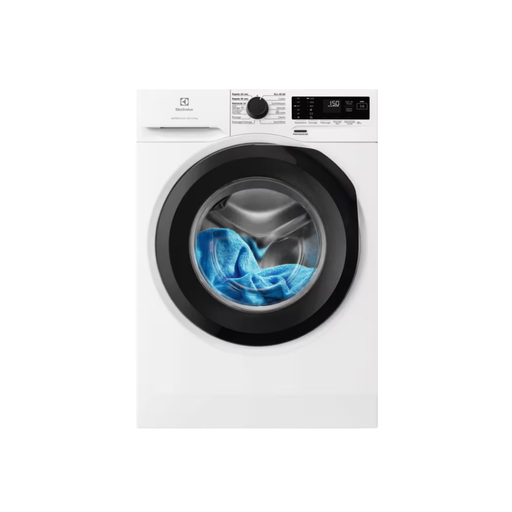 Image unavailable
Its stated 10 kg capacity is worth considering if you regularly do large loads. Check the dimensions and space in front of the door. For a particular duvet, also check its care instructions and the maximum load the machine can handle.
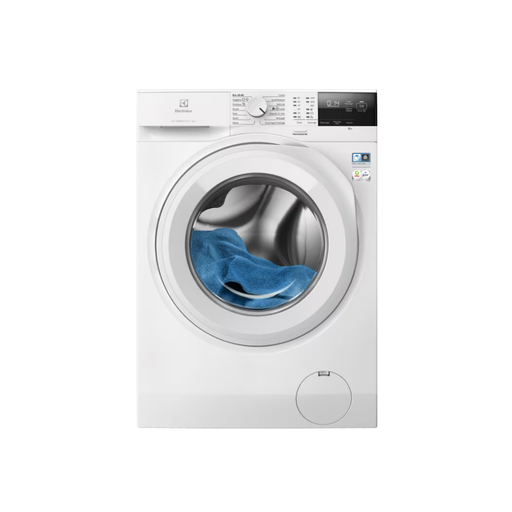 Image unavailable
Worth considering if you alternate between small and large loads. Check how SensiCare load adjustment works on this model. The model name indicates an 8 kg capacity and 1 400 rpm. If you regularly do very large loads, this capacity won’t replace a 10 to 12 kg machine.
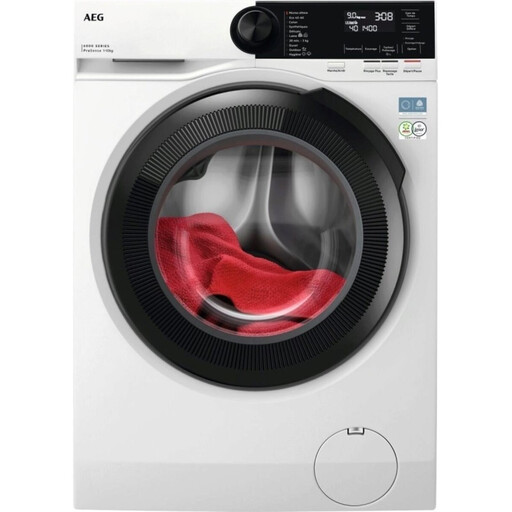 Image unavailable
Its stated 10 kg capacity suits households that regularly do large loads. The model name specifies 1 400 rpm and an A rating. Also check the full energy label and measure the space, including the clearance needed in front of the door.
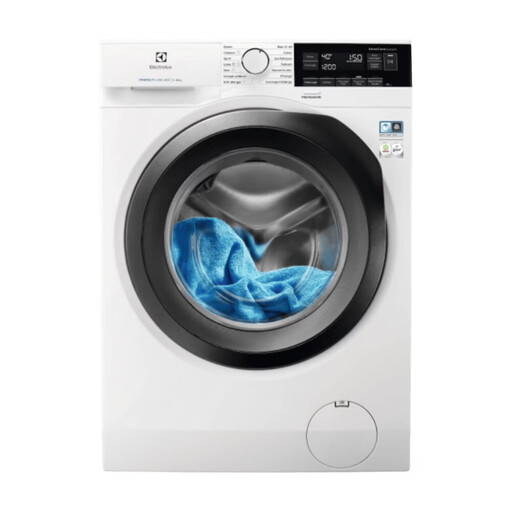 Image unavailable
Worth considering if handling different load sizes matters more than washing very large loads in one cycle. The model name indicates an 8 kg capacity, 1 400 rpm and a C rating. Check the energy label, how the stated load adjustment works and how much room you’ll need to open the door.
Choose based on the loads you wash regularly, not just the number of people in your household. According to Que Choisir, 10 to 12 kg is worth considering if you do back-to-back loads; 12 to 15 kg is mainly for households that regularly wash throws or thick duvets.
A top-loader may suit a space with limited width or clearance in front of the machine, but it may not offer the same capacity. Que Choisir says this format is around 40 cm wide and notes in its report on the French market that top-loaders have a maximum capacity of 8 kg.
Compare the figures on their energy labels, including kWh per 100 cycles and litres of water per cycle, while making sure the capacity suits your loads. ADEME also recommends checking the noise level. Figures for the reference Eco 40-60 programme don’t guarantee the same consumption across all programmes.
Yes. For washing machines covered by the scheme, it can help you assess a model alongside its capacity and energy use. According to the French Ministry for Ecological Transition, the durability index replaced the repairability index for washing machines on 8 April 2025. Check the index shown for the model you’re considering.