Choose a capacity that suits the loads you actually wash, then compare water and energy use, spin performance and noise on a like-for-like basis. A top-loading machine can make it easier to load from above; a washer-dryer can be a practical choice when space is limited, but its drying capacity is lower than its washing capacity, as UFC-Que Choisir points out. If you’re buying a new appliance in France, also check the durability rating for the exact model, alongside its energy label.
Who is this guide for?
How often you do laundry isn’t enough on its own to determine the right capacity: load size, fabric types and available space all matter too.
Households that often wash full loads
If clothes, towels and bedding regularly fill the drum, look for a capacity that helps you avoid extra cycles without often leaving a large machine only partially full. ADEME and UFC-Que Choisir recommend choosing a capacity that suits the laundry you actually wash.
Households with limited space or access
A top-loading machine may be worth considering if you’d rather not bend down to reach the drum. If you need one appliance to wash and dry your laundry, compare its washing and drying capacities separately: UFC-Que Choisir notes that they differ on washer-dryers.
Shoppers thinking about long-term use
When comparing new appliances in France, check the durability rating for the specific model, then look at the information available on maintenance, parts and warranties. This rating doesn’t replace checks on capacity or consumption.
Which criteria should you consider?
Start with your usual loads and installation requirements. Then use the figures for the exact model to compare the machines that meet your needs.
Front-loading
Worth considering: if you have enough room in front of the door and are comfortable bending down to load the machine.
Bear in mind: check that the door can open fully and that you can reach the drum in your chosen space.
Top-loading
Worth considering: if being able to reach the drum without bending down is important to you, a reason for choosing this style noted by UFC-Que Choisir.
Bear in mind: leave enough room to open the lid; the style alone doesn’t indicate how well a particular model performs.
Washer-dryer
Worth considering: if combining washing and drying in one appliance helps you make the most of limited space.
Bear in mind: UFC-Que Choisir says drying capacity is lower than washing capacity, and drying takes longer than with a separate tumble dryer.
| Criteria | What to check | What to consider for your needs |
|---|
| Capacity |
Compare the kg of dry laundry for the reference programme with your usual loads. Also check the load limits for the programmes you use. |
I want to wash my bedding and towels without running extra cycles, but I don’t always fill a large machine. ADEME and UFC-Que Choisir highlight the importance of choosing a suitable capacity. |
| Water and energy |
Check the kWh per 100 cycles and litres per cycle, along with the capacity and reference programme. Compare machines of the same type on a like-for-like basis. |
I do laundry often, so I want to look at the stated consumption per cycle, not just the energy rating. |
| Spin performance and noise |
Check the spin and noise information on the energy label. Make sure you understand the conditions it applies to. |
My laundry needs to dry afterwards, and the machine may run close to living areas, so both figures matter to me. |
| Installation |
Measure the space and the room needed to open the door or lid. Check the machine’s dimensions and the access required for loading. |
I need to be able to install the machine and load it easily, even if I do several loads during the week. |
| Built-in drying |
For a washer-dryer, distinguish between its washing and drying capacities, then check the duration and consumption of the combined cycle. |
One appliance would save space, but I need to be able to manage loads that can’t be dried all at once. UFC-Que Choisir highlights this difference in capacity. |
| Durability |
In France, check the durability rating for the exact new model and, if available, the details on parts, maintenance and reliability. Check the warranty terms separately. |
I want to take maintenance and possible repairs into account without treating the rating as a measure of energy or water use. According to the French Ministry for Ecological Transition, the rating has applied to washing machines since 8 April 2025. |
Which pitfalls should you avoid?
-
Choosing the biggest drum without considering your loads
Too little capacity can mean running extra cycles, while a drum that’s often only partially full may not suit your actual needs either, as ADEME and UFC-Que Choisir point out.
Estimate the weight of your usual loads when dry, then check the limits for the programmes you use, which may differ from the stated capacity.
-
Looking only at the energy rating
The rating alone doesn’t tell you how much water is used per cycle or whether the capacity suits your laundry.
Compare kWh per 100 cycles, litres per cycle, spin performance and noise, taking into account the reference programme shown on the label.
-
Confusing washing and drying capacity
On a washer-dryer, the load limit for drying is lower than for washing, according to UFC-Que Choisir. You may therefore need to split a full wash load before drying it.
Check both capacities, as well as the duration and consumption of the wash-and-dry cycle for the model you’re considering.
-
Making your decision based only on the durability rating
The French rating covers repairability and reliability criteria; it doesn’t tell you whether the appliance will fit in your home or suit your loads.
Check the rating for the exact model and any available breakdown of its component scores, then also check the dimensions, capacity, energy label and warranty terms.
Which brands should you compare?
A brand can help guide your search, but you should check the details that matter for every specific model.
Bosch
A brand to include when comparing front-loading washing machines.
- Compare the capacity, energy label and durability rating for the model you’re considering.
- The brand name alone doesn’t tell you how well a machine performs or how easy it is to repair.
Miele
Another brand to consider when looking at front-loading models.
- Check the model’s features against your loads and available space.
- Don’t assume that features of one model apply to the whole range.
Hisense
Another brand to explore when comparing front-loading models.
- Check the capacity and the spin and noise information for the specific model.
- These details don’t replace checking its durability rating.
Electrolux
A brand to consider whether you’re looking for a front-loading or top-loading machine.
- First decide which style suits your installation, then compare the relevant models.
- The style and brand alone don’t tell you how a particular model will perform.
Washing machines to explore on Joybuy
These options include a top-loading model, front-loading models and a washer-dryer. First choose the style and capacity that suit your loads, then check the energy label and durability rating for the model you’re interested in.
 Image unavailable
Haier T Series 7 THASN276TM6-S, 7 kg top-loading machine
A top-loading machine is worth considering if you want to reach the drum without bending down. The stated capacity is 7 kg, with 1200 rpm and an A rating indicated in the product name. Check the load limits for the programmes you usually use and the durability rating for this model.
View on Joybuy
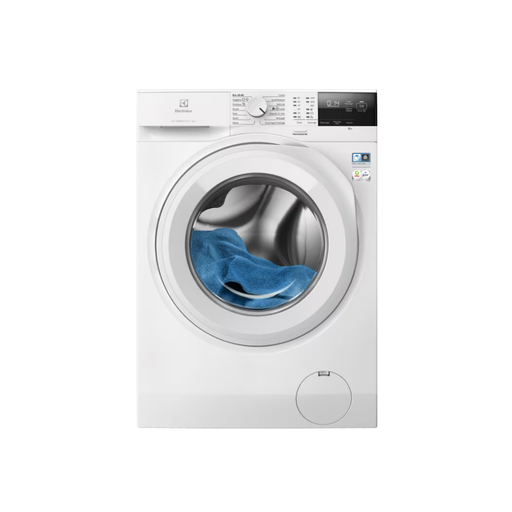 Image unavailable
Electrolux EW6FI4805AW, 8 kg front-loading machine
Consider this model if your loads suit an 8 kg capacity and there’s enough room for the door to open. The product name lists 1400 rpm and the SensiCare function; check the energy label information and the French durability rating for the exact model.
View on Joybuy
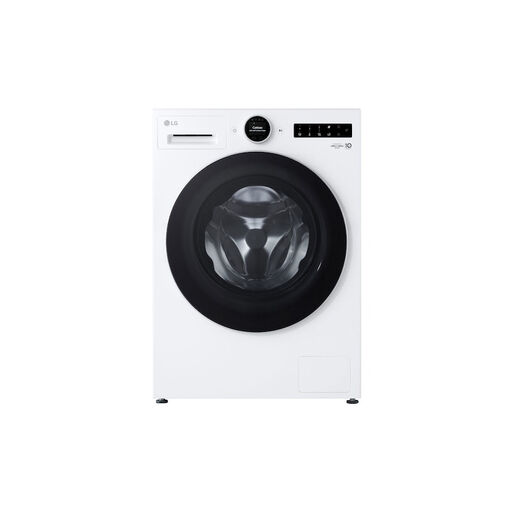 Image unavailable
LG F4WX851Y, 11 kg front-loading machine
Consider the stated 11 kg capacity in relation to your usual loads: it won’t be an advantage if the drum is often only partially full. The product name indicates an A rating; also check the load limits for each programme and the model’s durability rating.
View on Joybuy
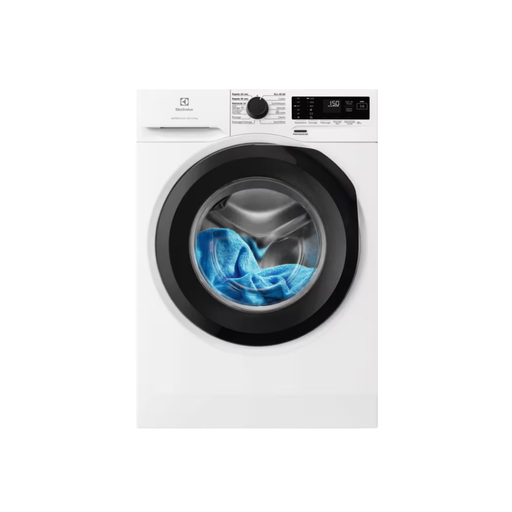 Image unavailable
Electrolux EWF1410N2, 10 kg front-loading machine
This front-loading model has a stated capacity of 10 kg: check that your laundry loads regularly make use of that much space. Before comparing it with other machines, check the load limits for each programme, the energy label information and the durability rating for the exact model.
View on Joybuy
 Image unavailable
Samsung WD11DG6B85BEU3, 11 kg washing, 6 kg drying
If a washer-dryer suits your space requirements, bear in mind its two separate capacities: 11 kg for washing and 6 kg for drying. A wash load of more than 6 kg can’t be dried in one go at the stated capacity; check the wash-and-dry cycle information and the applicable durability rating separately.
View on Joybuy
Frequently asked questions
Should you check the durability rating of a new washing machine in France?
Yes. According to the French Ministry for Ecological Transition, the durability rating has applied to washing machines since 8 April 2025. Légifrance states that it is shown as a score from 0 to 10, which may include one decimal place. Check the rating for the exact model, but don’t rely on it alone to decide whether the machine suits your laundry needs.
Does a larger capacity always mean fewer loads of laundry?
No. It’s only useful if your loads make proper use of it. UFC-Que Choisir points out that a capacity that’s too small can mean running extra cycles, while an unsuitable capacity can lead to excessive consumption. Also check the load limits for the programmes you use.
What should you compare on the energy labels of two washing machines?
Look at the kWh per 100 cycles, litres of water per cycle, spin performance and noise, and read these figures alongside the capacity and reference programme. ADEME recommends checking the label for these criteria; comparing like with like helps you avoid mixing up different usage patterns.
Can you dry a full wash load in a washer-dryer?
Not necessarily. UFC-Que Choisir says that washer-dryers have a lower drying capacity than washing capacity. Compare both figures for the model you’re considering: if the wash load exceeds the drying limit, you’ll need to remove some of it before drying.


