Which factors should you consider first?
Start with the size of your usual load, then compare the Eco 40-60 programme figures on the energy label. The European Commission lists several indicators separately, including energy use per 100 cycles, water use and cycle duration, as well as spin noise.
| What matters to you |
What to check |
Who this matters to |
| Suitable capacity |
Capacity in kg and the load limits for the programmes you use. |
If laundry builds up quickly, I want to combine loads without choosing a drum I rarely fill; around 33% of consumers prioritise finding the right capacity. |
| Energy and water use, and cycle duration |
kWh per 100 cycles, litres per cycle and Eco 40-60 duration. |
When I run the machine often, I want to know how much water, electricity and time each cycle uses; this is the top concern for around 27% of consumers. |
| Spin performance and noise |
Spin-drying efficiency class and noise emissions during the spin cycle, in dB(A). |
If the machine is near living areas, I want to keep noise to a minimum without compromising on spin performance; around 20% of consumers prioritise this balance. |
| Documented durability |
Durability rating and a breakdown of its criteria for the exact model. |
For an appliance that gets regular use, I want to be able to check its repairability and reliability before choosing; this is the main concern for around 20% of consumers. |
Washing machines to consider on Joybuy
These front-loading and top-loading models offer a range of capacities to suit the amount of laundry you build up and the space you have available. For each one, compare the advertised features with the energy label and documentation for the exact model.
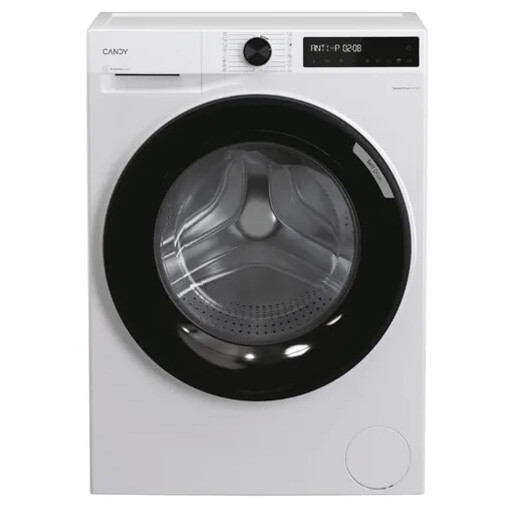 Image unavailable
Candy BR 411BL9-S, front-loading, 11 kg
Worth considering if you regularly build up large loads and have space for a front-loading model. The product title lists an 11 kg capacity and an A energy rating; check the figures per cycle and the durability rating for the exact model before choosing.
View on Joybuy
 Image unavailable
Haier T Series 7 THASN276TM6-S, top-loading, 7 kg
A top-loading design may be worth considering if you can’t access the drum from the front where you plan to install it; be sure to check the appliance’s dimensions too. The title lists a 7 kg capacity, 1 200 tr/min and an A energy rating. Make sure this capacity suits your usual loads.
View on Joybuy
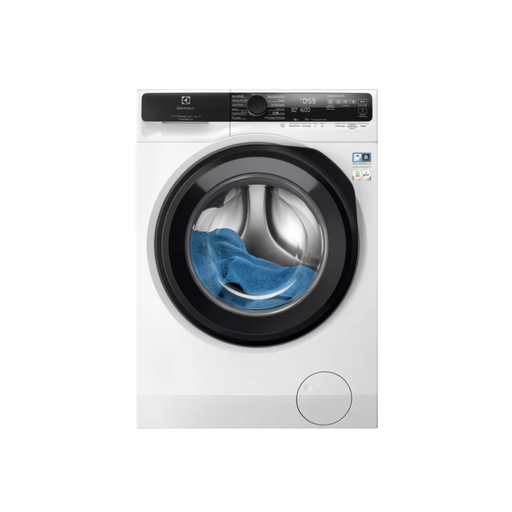 Image unavailable
Electrolux EW7FI259160V, front-loading, 9 kg
Compare this capacity if you do frequent loads that are smaller than those that would justify an 11 kg drum. The title lists a 9 kg capacity, 1 600 tr/min and SteamCare and SmartSelect functions; check the duration of the programmes you’re interested in, as well as the energy label figures.
View on Joybuy
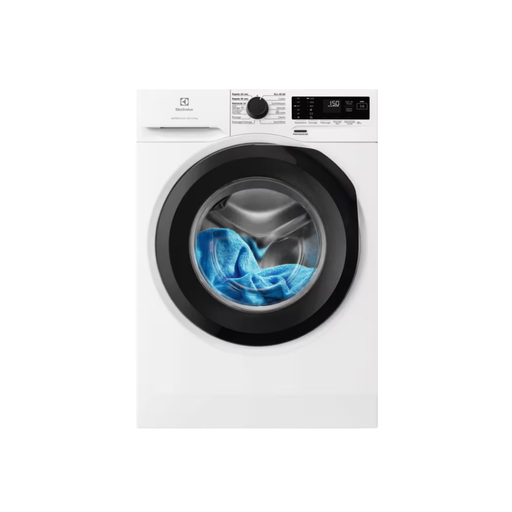 Image unavailable
Electrolux EWF1410N2, front-loading, 10 kg
Worth comparing if you regularly build up large loads, rather than choosing 10 kg just in case you need to wash an unusually large load once in a while. The title lists steam and TimeSave functions, as well as an inverter motor; check the Eco 40-60 duration, energy and water use, and noise for the exact model.
View on Joybuy
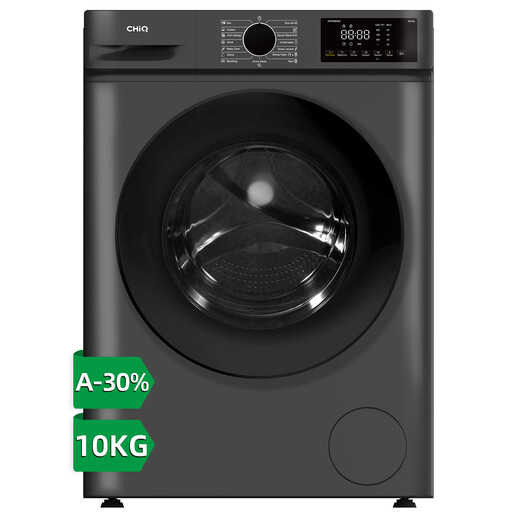 Image unavailable
CHiQ JW105883G, front-loading, 10 kg
This model is worth considering for large, frequent loads, provided 10 kg matches the amount of laundry you usually wash. The title lists 1 400 tr/min, 16 programmes and a steam function; check the energy label, spin noise and durability rating to compare it with other models.
View on Joybuy
Frequently asked questions
What does a washing machine’s capacity in kg mean?
It means the maximum mass of dry textiles specified by the supplier for the relevant programme, in line with their instructions, as the European Commission explains. It doesn’t mean you need to reach that load for every wash: instead, start with the amount of laundry you usually build up.
Is a quick programme enough to compare two models?
No. First check what load and programme each advertised duration refers to. According to the European Commission, the energy and water use and duration shown on the energy label relate to the Eco 40-60 programme; they don’t directly describe a quick cycle.
Which figures should you check if you use your washing machine often?
Compare the kWh per 100 cycles, litres of water per cycle and Eco 40-60 duration, then check the spin-drying efficiency class and spin noise. The energy label described by the European Commission brings these figures together, but your choice of capacity should still reflect the loads your household actually washes.
What is a washing machine’s durability rating for?
In France, the durability rating for front-loading and top-loading washing machines, in effect since April 2025, helps you assess repairability and reliability criteria, according to the Ministry of the Economy. Check the rating breakdown for the model you’re considering: it doesn’t replace checking capacity or comparing energy and water use and noise.


