Shoppers concerned about spin-cycle noise
You want noise data for the exact model, rather than relying on a motor’s marketing name. EPREL publishes spin-cycle noise emissions for some models.


To reduce disturbance from the spin cycle in a block of flats, compare the stated noise level for the exact model if you’re buying a washing machine. But if the appliance shakes, check the installation first. The spin-cycle noise emission value published in EPREL alone cannot predict what your neighbours will hear. An anti-vibration mat is an option to consider only after checking that the machine is properly supported and level.
You want noise data for the exact model, rather than relying on a motor’s marketing name. EPREL publishes spin-cycle noise emissions for some models.
You need to install a washing machine on a wooden floor or a surface that may transmit vibrations. Miele recommends checking the type of surface and choosing an installation suited to the specific layout.
You need to consider the appliance’s actual dimensions and the space available for its feet or any accessory you might use. Dimensions listed in EPREL and on product pages can help you check how much room it will take up.
Distinguish between airborne noise from the spin cycle, vibrations transmitted through the floor and the constraints of your space.
| What matters to you | What to check before buying | Who should consider this? |
|---|---|---|
| Spin-cycle noise | Compare the spin-cycle noise emissions for the exact model. Distinguish the declared figure from independent measurements taken using specific programmes. | If you’re concerned that the spin cycle could disturb your neighbours or people in adjoining rooms, noise should be your priority; around 34% of consumers put it first. |
| Stability and flooring | Check that the transit bolts have been removed, adjust the feet and check the type of floor, following the instructions. An accessory is no substitute for these checks. | On a floor that transmits vibration, stable support matters more than a simple promise of quiet operation; around 33% of consumers prioritise stability and flooring. |
| Space available | Check the appliance’s overall dimensions, as well as the footprint and thickness of any accessory you plan to use. | When space is limited, you need to be able to fit the appliance and accessory without obstructing the walkway; around 20% of consumers prioritise this compatibility. |
| Scheduling and running costs | Look at the programming options, cycle times and energy consumption information, comparing like with like. | If you need to plan your laundry around the constraints of your building, scheduling options and running costs can guide your choice; around 13% of consumers make these their top priority. |
A washing machine that isn’t level or still has its transit bolts fitted can vibrate. Samsung highlights the floor, the feet and the distribution of the laundry as factors to check.
Follow the instructions to check the installation and make sure the feet are firmly in place before adding an accessory.
Buying an accessory and moving the machine again may be unnecessary if adjusting the installation is all that’s needed.
A marketing name is no substitute for the model’s spin-cycle noise emission figure, and it does not prove that vibrations won’t be transmitted through the building.
Compare the spin-cycle data for the exact model in EPREL and distinguish it from independent tests, which apply only to the appliances and programmes tested.
For the LG F94X71WHST, LG lists a cabinet depth of 565 mm and an overall depth of 620 mm. These measurements are not interchangeable.
Check the model’s overall dimensions and installation diagram before confirming that it will fit your space.
An appliance that’s too deep may mean you have to rethink your planned layout.
Accessory manufacturers may claim that their products reduce vibration, but this does not predict the results in every home.
Check the dimensions, stated load capacity and compatibility with your washing machine and flooring. These specifications alone do not tell you how much noise will be reduced.
The WGG244Z0FR is an example of a range of front-loading washing machines with a motor the brand describes as quiet.
The French product page for the F94X71WHST front-loading washing machine lists spin settings and installation details.
Miele’s installation advice can help you check how a washing machine is supported, particularly on a wooden floor.
For the TWB721CBSILENCEFR, EPREL lists a 7 kg capacity, a width of 40 cm and spin-cycle noise emissions of 72 dB.
Wpro offers installation accessories, including the ANT100 anti-vibration mat, reference 484010678176.
This selection includes stabilisation mats and washing machines. For mats, compare the stated size and thickness with the space available; for appliances, look for spin-cycle noise data for the exact model. The listed specifications alone cannot predict how much noise your neighbours will hear.
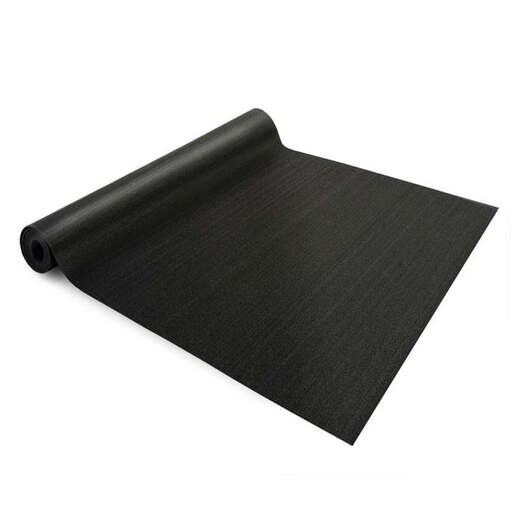 Image unavailable
Worth considering if you’re looking for a mat for a washing machine or tumble dryer and its size suits the space.
Recycled rubber; stated size: 60 × 60 cm; stated thickness: 0,5 cm.
Image unavailable
Worth considering if you’re looking for a mat for a washing machine or tumble dryer and its size suits the space.
Recycled rubber; stated size: 60 × 60 cm; stated thickness: 1,0 cm.
Image unavailable
Worth considering if you’re looking for a mat for a washing machine or tumble dryer and its size suits the space.
Recycled rubber; stated size: 60 × 60 cm; stated thickness: 1,97 cm.
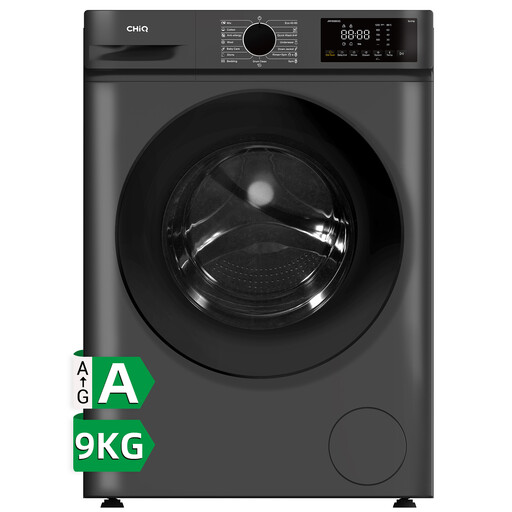 Image unavailable
Worth considering if you’re looking for a front-loading washing machine and want to compare its specifications with the stated spin-cycle noise levels of other models you’re considering.
Stated capacity: 9 kg; BLDC motor; stated maximum spin speed: 1 400 rpm.
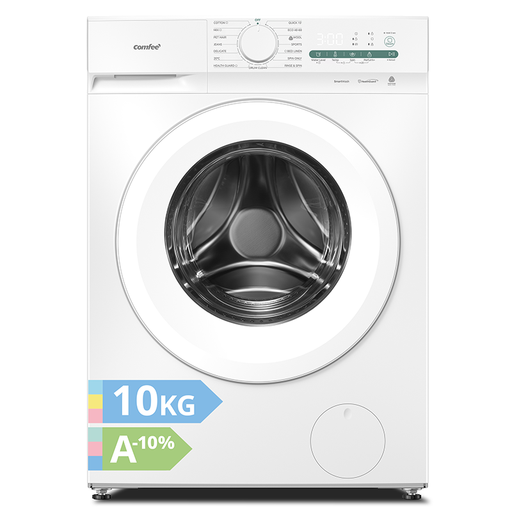 Image unavailable
Worth considering if you’re looking for a 10 kg washing machine with a programme for pet hair.
Stated capacity: 10 kg; pet hair programme and steam function. The word ‘Quiet’ in the title is not a measurement of spin-cycle noise.
No, not on its own. EPREL records airborne noise emissions during the spin cycle, while manufacturers also identify the floor and installation as factors that can affect vibration. So this figure does not guarantee that your neighbours won’t be disturbed.
Check that the transit bolts have been removed, the machine is level and the feet are properly supported, following the instructions. Samsung also lists an excessive or unevenly distributed load as a possible cause of vibration. Keep the transit bolts for a future move.
Don’t assume they’re equivalent: Samsung warns that soft mats or floor coverings can make a washing machine move during the spin cycle. If you’re considering a dedicated accessory, check that it’s compatible with the appliance instructions and the type of floor.
No. Miele’s recommendation is for a specific setup where the support rests on several joists and is fixed to them, not a board simply laid on top of the flooring. It should be assessed for the washing machine and floor in question. If you rent your home, don’t carry out work without permission.
No. Service Public states that an unreasonable disturbance can occur during the day or at night. Take account of the rules that apply in your building and local area: running the machine during the day does not, by itself, guarantee that it won’t cause a nuisance.