Every centimetre counts
You need to weigh up width, depth and the space needed to open the door or lid. Que Choisir describes compact and slim washing machines designed for smaller spaces.


Measure the available space, the access route and the clearance needed to open the door or lid, then choose a capacity that suits your usual laundry loads, as recommended by ADEME. A top-loading machine may work when width is the main constraint, while a slim front-loader is more suited to limited depth: Que Choisir describes slim models as front-loaders around 60 cm wide and 33 to 45 cm deep. If the plumbing or conditions for safe installation are not in place, compare nearby laundry options instead of installing an unsuitable appliance.
You need to weigh up width, depth and the space needed to open the door or lid. Que Choisir describes compact and slim washing machines designed for smaller spaces.
You want a capacity that suits your usual laundry without running extra cycles or giving up too much room for a larger drum. ADEME recommends choosing a capacity that matches your actual needs.
You need to check the plumbing, power supply and available space before choosing an appliance. If work is needed, the rules may depend on whether you rent or live in a co-owned property.
For shoppers in France considering a washing machine for a small home, the key priority depends on the constraint that has the greatest influence on their decision.
| Criteria | What to check | Who it matters most to |
|---|---|---|
| Dimensions and opening | Measure the width, depth, height, access route and clearance needed for the door or lid. | If my alcove is narrow, I also check the route in and the space needed to open the machine and load the laundry. Around 28% of consumers put dimensions and opening clearance first. |
| Usable capacity | Estimate the amount of laundry in a usual load and check the maximum load for the programme you use. | I want to wash my usual loads without running extra cycles, while taking programme-specific limits into account. Around 22% of consumers prioritise usable capacity. |
| Practical installation | Check the water inlet, drainage, suitable socket, floor stability and the requirements in the instruction manual. | Before buying, I want to know whether the plumbing and location will allow safe installation. Around 22% of consumers prioritise installation feasibility. |
| Noise and consumption | Compare the noise level, spin cycle, kWh per 100 cycles and litres per reference cycle on the energy label. | If the machine is close to my living area, I compare noise levels and consumption figures on the same basis. Around 17% of consumers put ease of use first. |
| Appliance or off-site option | If installing a machine at home is not suitable, check the access, opening hours and cost of local off-site options. | If I cannot install an appliance safely, a launderette or shared machine could save space, as long as it is convenient to access. Around 11% of consumers prioritise avoiding an unsuitable installation. |
The European energy label lets you compare figures such as electricity use per 100 cycles and water use per reference cycle. These figures do not necessarily reflect every programme, so compare figures measured on the same basis.
An appliance may fit into an alcove but leave too little room to open the door or lid, and getting it to the space can also be a challenge.
Measure the route and the space, then check all three dimensions and the installation diagram for the exact model.
These formats may not be designed for the same load sizes. A smaller capacity could mean more cycles or may not suit bulky items.
Start with your usual loads and check the capacity allowed by the programmes you plan to use.
Installation requires suitable plumbing, a compliant power supply and a stable floor. Any work may also depend on your tenancy or whether it affects communal areas.
Check the plumbing and the instruction manual before buying. If work is needed, find out which permissions apply to your situation.
The figures on the label are based on reference cycles, while programmes and laundry habits vary.
Compare labels on the same basis and take into account the programmes you actually use.
The EW6T4613HA top-loader is an example worth considering when width is a constraint.
The LTR8C7331A top-loader is an example of a machine designed for a narrow alcove.
The Mini Drum HW50-BP12307U1-S is an example of a freestanding, compact front-loader.
Candy’s French collection includes so-called slim front-loaders and compact 5 kg models.
This selection on Joybuy features front-loading washing machines with stated capacities of 7 to 10 kg. Before deciding whether one will fit your space, compare its full dimensions and the clearance needed to open the door.
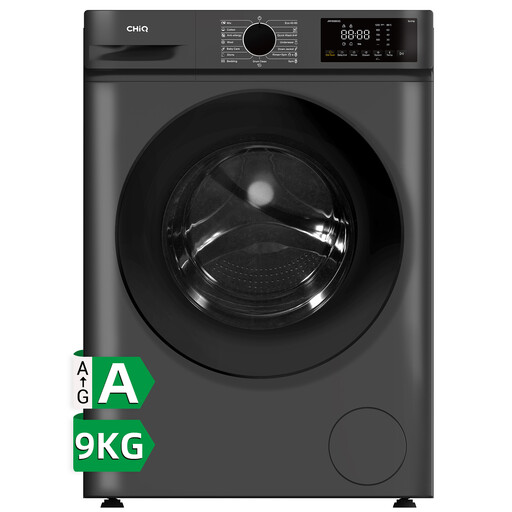 Image unavailable
Its stated slim width may suit a space where width matters, but it does not tell you the appliance’s full dimensions.
Stated width: 465 mm. Stated capacity: 9 kg.
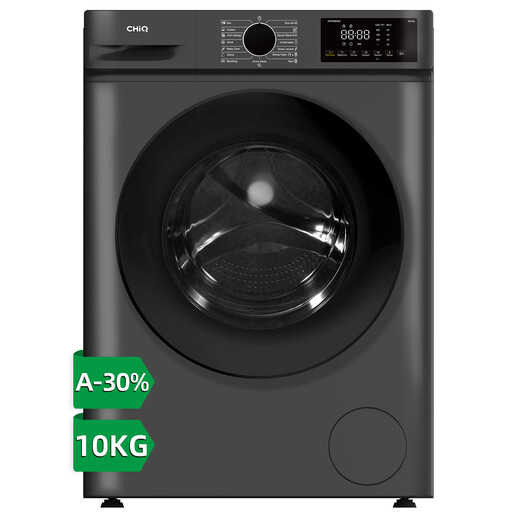 Image unavailable
This stated capacity may suit larger laundry loads. Check that it matches your usual needs and the space available.
Capacity: 10 kg. Stated maximum spin speed: 1 400 rpm. 16 programmes.
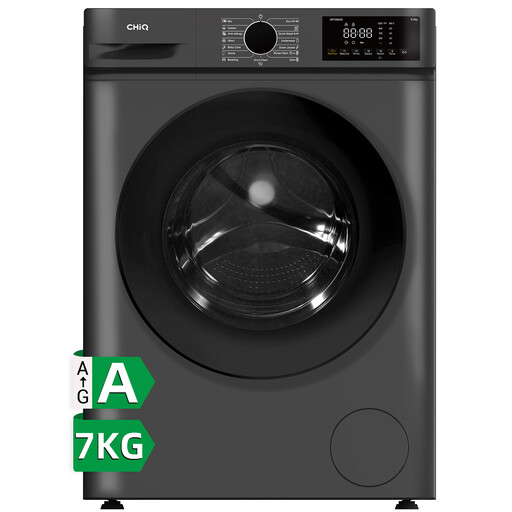 Image unavailable
A stated depth of 47 cm can help you compare models, but it is not enough to confirm that the machine will fit in an alcove.
Capacity: 7 kg. Stated depth: 47 cm. Stated maximum spin speed: 1 200 rpm. Remove the four transit bolts before first use and install the appliance on a level floor.
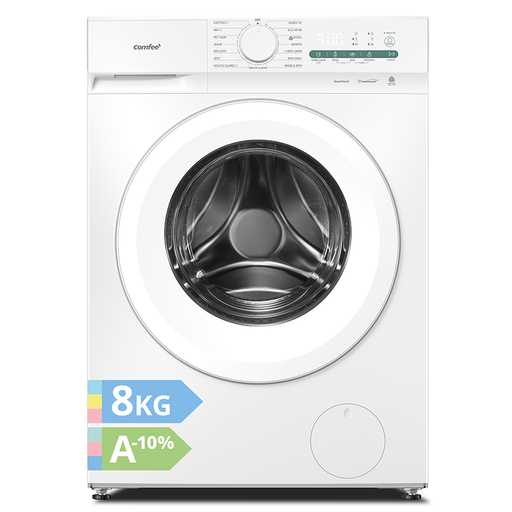 Image unavailable
The stated capacity may suit regular laundry if it meets your household’s needs and the machine fits the available space.
Capacity: 8 kg. Stated depth: 48 cm. 16 programmes. Do not exceed the maximum capacity stated for the appliance.
 Image unavailable
The stated capacity may suit larger laundry loads, but check the depth against the space available.
Capacity: 10 kg. Stated dimensions: 847 × 597 × 658 mm, including a depth of 658 mm. Stated maximum spin speed: 1 351 rpm.
Check the load allowed by the programmes you plan to use: it may be lower than the machine’s rated capacity. In its 2025 advice, Que Choisir gives 5 to 7 kg as a general guide for one or two people, to be adjusted to suit your actual loads.
Follow the model’s instruction manual for removing the transit bolts and connecting the machine, then check that all four feet are resting on a flat, stable floor. Que Choisir recommends using a qualified technician if the plumbing is not installed correctly.
The European energy label shows figures including electricity use per 100 cycles and water use per reference cycle. The European Commission explains these benchmarks. Compare figures measured on the same basis, bearing in mind that actual use also depends on how often you wash and which programmes you choose.
If the work alters the rented property or its fittings, you need the landlord’s written consent. ANIL reiterates this rule in relation to Article 7 f of the law of 6 July 1989; establish what the work involves before going ahead.
No, approval is not required simply because you buy or connect an appliance. Article 25 of the law of 10 July 1965 requires approval for certain work by a co-owner that affects communal areas or the exterior appearance of the building. Check whether your planned work falls into this category.