Households with limited space
If width or depth is limited in your kitchen, utility room or alcove, also measure the space needed to open the door or lid. A generous capacity is no use if you can’t install or load the machine in that spot.


First, choose a format that fits the available space, then check that its capacity suits your usual laundry loads. A top-loading machine is mainly a solution when width is limited; a slim front-loader suits shallower spaces, while a compact model is for very tight spaces. If you have room, a standard front-loader may also offer a larger capacity. Whatever you choose, the stated dimensions aren’t enough on their own: check the door or lid clearance, connections and installation gaps in the manual for your chosen model.
If width or depth is limited in your kitchen, utility room or alcove, also measure the space needed to open the door or lid. A generous capacity is no use if you can’t install or load the machine in that spot.
If you regularly wash large loads, compare capacity before saving a few centimetres on the machine’s dimensions. As a guide, Bosch Electroménager France lists a 9 kg capacity for its WUU28T69FR front-loader. Not all front-loaders have the same capacity.
A top-loader means you don’t have to load laundry through a front-facing door, a preference noted by UFC-Que Choisir. You’ll still need enough room to open the lid fully where the machine will stand.
Let the space constraint that would actually prevent installation guide your choice of format; then compare capacity and how you’ll load your laundry. The measurements below are for specific models, not installation clearances that apply to an entire category.
Consider it: if width is limited or you prefer loading from the top. TDLR models featured by Whirlpool France are 40 cm wide.
Bear in mind: these examples are also 60 cm deep, and you’ll need space above the machine to open the lid.
Consider it: if you have room for a front-loading machine and larger laundry loads are a priority. Bosch Electroménager France lists a 9 kg capacity for the WUU28T69FR.
Bear in mind: this model is 598 mm wide and 590 mm deep, before allowing for installation clearances. You’ll also need room to open the door.
Consider it: if you want a front-loading door but have less depth to work with. Electrolux France features slim models with 6 kg and 7 kg capacities.
Bear in mind: “slim” doesn’t guarantee specific dimensions. Check the model’s depth, connections and door clearance.
Consider it: if a standard machine won’t fit in your home. UFC-Que Choisir notes that this can be an issue in some very small spaces.
Bear in mind: capacity may be limited. A compact Candy model listed in the UFC-Que Choisir archives takes loads of up to 4 kg. Check that this suits the size of your usual loads.
| What to consider | What to check | Who it matters to |
|---|---|---|
| Limited width or depth | Measure the available width, depth and height, then check the clearances and connections specified in the manual. | If my alcove is narrow or shallow, I need to find a machine that fits without blocking the door or lid. Around 31% of consumers would put the machine’s dimensions first. |
| Laundry load size | Compare the stated capacity in kg with your usual loads, after checking that the machine can be installed. | If I often wash bulky loads, a machine with too little capacity could mean doing laundry more often. Capacity would be the top priority for around 31% of consumers. |
| Access to the drum | Check that a top-loader’s lid can open fully beneath any cupboards above it. | I prefer loading and unloading the drum from the top rather than through a front-loading door. Around 23% of consumers would prioritise this type of access. |
| Very small space | If standard formats won’t fit, check the compact model’s dimensions, connections and capacity. | If no standard machine will fit in my home, I can accept washing smaller loads. This would be the main consideration for around 15% of consumers. |
A top-loader can be narrow without being shallow: Whirlpool models that are 40 cm wide are 60 cm deep. You’ll also need to be able to open the lid or door once the machine is installed.
Measure the width, depth and height, then check the available space against the installation instructions for your chosen model, including the space needed for hoses.
The compact Candy model listed in the UFC-Que Choisir archives has a 4 kg limit, compared with the 9 kg capacity listed for the Bosch WUU28T69FR front-loader. These examples don’t represent every model, but they show why capacity matters just as much as dimensions.
If you often wash large loads, first check whether a standard front-loader, slim model or top-loader will fit in your available space.
Loading from the top isn’t much use if a worktop or shelf stops the lid from opening fully.
Measure the clearance above the machine and check the manual for the model you’re considering.
If you’re replacing a washing machine in France, your old one needs to be collected. ADEME says that when you buy a new machine, the retailer must take back your old appliance free of charge, including when your new one is delivered to your home.
Tell the retailer you’d like your old machine collected and agree the practical arrangements before delivery.
For narrow top-loaders: TDLR models featured by Whirlpool France measure 40 × 90 × 60 cm, with capacity varying by model.
For front-loaders and larger capacities: Bosch Electroménager France lists a 9 kg capacity and dimensions of 845 × 598 × 590 mm for the WUU28T69FR.
For slim front-loaders when depth is limited: Electrolux France features models with capacities of 6 kg and 7 kg.
These front-loading models offer capacities from 7 to 9 kg; several are worth considering if depth is limited. Before choosing, compare the confirmed dimensions of each model with your available space and check its installation instructions.
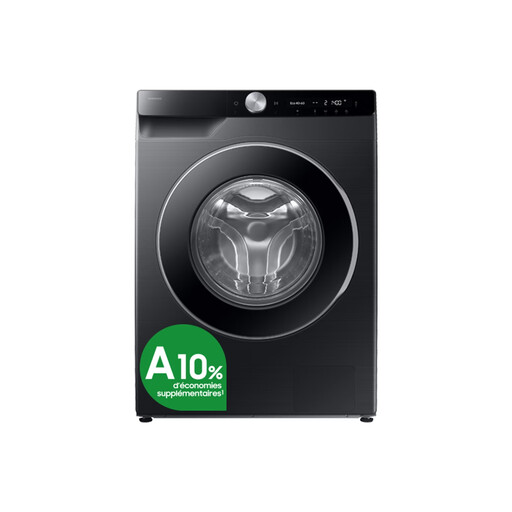 Image unavailable
Worth considering for bulky laundry loads if your space can accommodate a front-loader and allow its door to open.
Stated capacity: 9 kg. Listed energy rating: A.
Check the manual for installation clearances and connection requirements before confirming that it will fit.
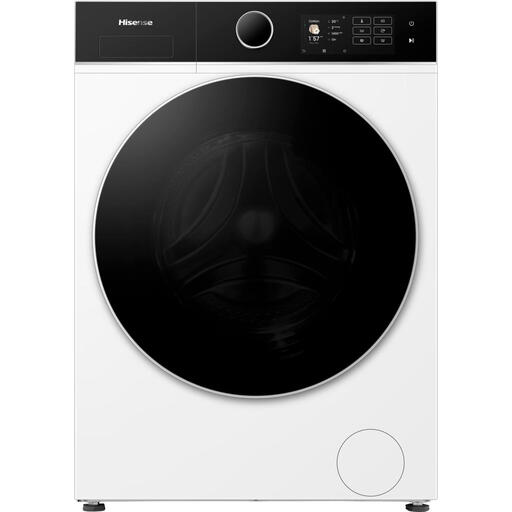 Image unavailable
Worth considering if you want a front-loader and need to keep an eye on depth.
Freestanding model with a stated capacity of 8 kg, a listed spin speed of 1,400 rpm and an Inverter motor.
Check the depth required once connections and installation clearances are taken into account.
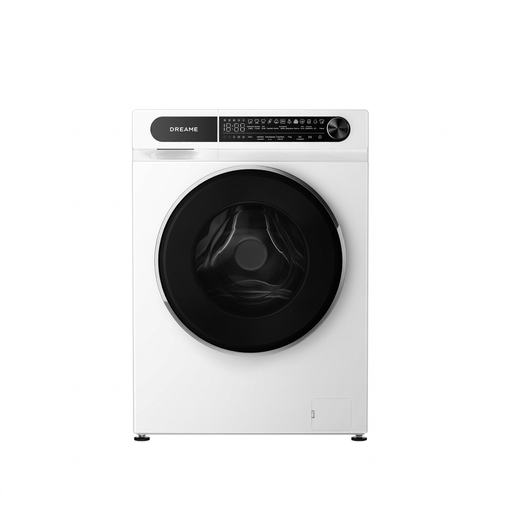 Image unavailable
Worth considering if depth is the main obstacle to fitting a front-loader for your usual laundry loads.
Stated capacity: 8 kg.
Also measure the space needed to open the door and check the installation instructions for this model.
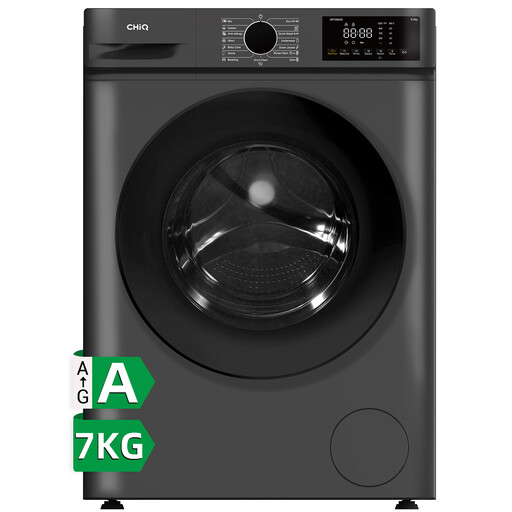 Image unavailable
Worth considering if you’re looking for a 7 kg front-loader and need to check the available depth carefully.
Stated spin speed of 1,200 rpm, 16 programmes and listed energy rating: A.
Check the manual for installation clearances, connections and door clearance.
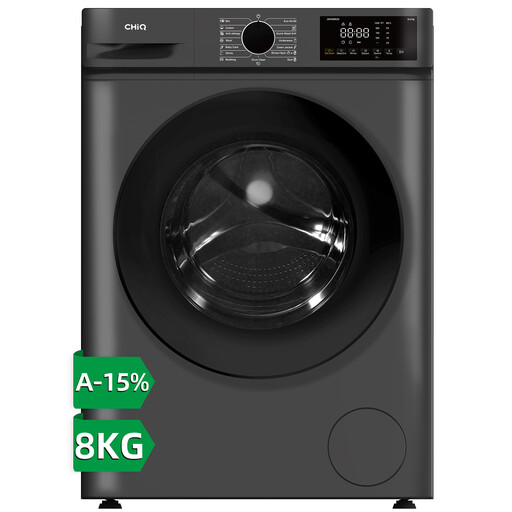 Image unavailable
Worth considering for its 8 kg capacity, but don’t choose it for a shallow alcove until you’ve had its exact dimensions confirmed.
Stated spin speed of 1,400 rpm and 16 programmes.
Descriptions list two different depths, 47 and 52 cm. Also check the manual for installation clearances and door clearance.
No. The space saving may be mainly in width. Top-loaders featured by Whirlpool France are 40 cm wide but 60 cm deep, while the Bosch WUU28T69FR front-loader is 598 mm wide and 590 mm deep. A top-loader also needs enough clearance above it for the lid to open.
No. Here, “slim” refers to front-loaders designed for shallower spaces, while a compact format can suit more severe space constraints. Electrolux France features slim front-loaders with 6 kg and 7 kg capacities; a compact Candy model listed in the UFC-Que Choisir archives takes loads of up to 4 kg. Compare the dimensions and capacity of the specific model rather than relying on its name.
Measure the available width, depth and height, as well as the space needed to open the door or lid. Check the route for the hoses and access to the water inlet, waste outlet and socket. The manual for your chosen model sets out its installation requirements; the dimensions in the product listing don’t replace this information.
It depends on the model. Electrolux France advises against connecting its front-loading and top-loading washing machines to hot water, stating that they’re designed for a cold-water supply. For another appliance, follow its own manual rather than assuming the same applies.
Before delivery, tell the retailer that your purchase is replacing an old washing machine and ask how collection will work. ADEME says the retailer must take back your old appliance free of charge when you buy a new one, including when it’s delivered to your home.