Choose a capacity based on the loads you wash regularly, not your largest duvet. According to Que Choisir, 8–9 kg is generally enough for a household of three to four people, while 10–12 kg is a better fit when you regularly wash large loads. If the drum is often only partly full, compare the energy use shown on the energy label too, and check the model’s dimensions before you decide.
Who are these capacities for?
Households that regularly wash large loads
If sheets, throws or other bulky items are part of your usual washing, it’s worth considering a 10–12 kg capacity to avoid regularly splitting loads. Que Choisir associates this range with households that do frequent large washes.
Households with varying load sizes
A laundry basket that fills up quickly doesn’t mean every load is large. If you often wash smaller loads, first choose a capacity that suits how you use your machine, then compare the energy label information and any load adjustment features on the model you’re considering.
Households that rarely wash duvets
If you mostly wash everyday laundry and only occasionally have very bulky items, a standard-capacity machine may still be suitable. Make other arrangements for textiles that can’t be washed in your machine, following their care instructions.
How do you choose between 8–9 kg and 10–12 kg?
Start by considering how often you wash large loads, then compare your chosen capacity with the size of your smaller loads and the space available. The stated kilogram capacity refers to the maximum weight of dry textiles, under the conditions set out by the manufacturer, according to the European Commission.
| What matters to you |
What to check |
Consumers concerned |
| Frequent large loads |
Compare the weight of dry laundry in your usual loads with the stated capacity; check whether you regularly wash bulky items. |
When sheets and throws often go in with my everyday laundry, I want to avoid splitting every large load across several cycles. Around 50% of consumers concerned would make this capacity their priority. |
| A drum that’s often only partly full |
Check the kWh per 100 cycles and litres per cycle on the energy label; find out under what conditions any load adjustment feature works. |
If my loads are often small or vary in size, I’d rather not choose a machine based only on the occasional maximum load. Around 30% of consumers concerned would prioritise a capacity that suits their usual needs. |
| Occasional bulky textiles |
Check the care instructions and the permitted capacity for each item; also measure the space and access routes for your chosen machine. |
If I mostly wash everyday laundry, I can arrange a separate wash for an occasional duvet rather than choosing my drum size just for that. Around 20% of consumers concerned would prioritise this need. |
Mistakes to avoid
-
Choosing a very large capacity for a single duvet
Que Choisir says a large-capacity washing machine can use more energy when running with a half load. Capacities of 12–15 kg are mainly for very bulky textiles that are washed regularly, rather than a one-off item.
Note how often you wash everyday loads and bulky items before deciding on a capacity; consider washing occasional oversized items separately.
-
Assuming the dimensions from the kilogram capacity
The specifications for two 10 kg Haier washing machines list depths of 583 and 672 mm respectively. So the same capacity doesn’t necessarily mean the same amount of space is needed.
Measure the space, the room needed to open the door and the access routes, then compare these with the exact model’s dimensions.
-
Looking only at the energy rating
The label shown by the European Commission also gives energy use per 100 cycles, water use per cycle, programme duration and noise levels, based on the Eco 40-60 programme.
Compare these figures on the labels of the models you’re considering, using the same basis for measurement, rather than focusing only on the energy rating letter.
-
Taking claimed energy savings for granted
Samsung says the results of its AI Energy mode can vary depending on actual usage conditions. A feature’s claims alone don’t show how much a machine will use in your home.
First choose a capacity that suits your loads and check the energy label for the exact model; then look at the conditions for using the feature.
Brands to consider, depending on the model
These examples show the capacity and dimensions of specific models; they don’t represent every machine made by each brand.
Bosch
The WAN24209FR front-loading washing machine is a 9 kg option worth considering if you mainly wash everyday loads.
- Bosch lists the dimensions for this model as 845 × 598 × 590 mm.
- With a 9 kg capacity, you may need to split your laundry more often if large loads are part of your routine.
Haier
The HW100-B14959U1 and HW100-B14939 models listed by Haier each have a capacity of 10 kg.
- Both specifications let you explore a capacity suited to regular large loads.
- Their listed depths differ: 583 mm for the HW100-B14959U1 and 672 mm for the HW100-B14939. Check which model will fit your space.
Samsung
The French product specification for the WW11DG5B25THEF lists a capacity of 11 kg and dimensions of 600 × 850 × 600 mm.
- This capacity is worth considering if you regularly wash large loads.
- Samsung says that results from its AI Energy mode vary depending on actual usage; don’t assume they apply to every programme or model.
Washing machines for these needs
This selection of Joybuy washing machines includes four 10 or 11 kg models to consider for regular large loads, as well as a 9 kg model for everyday washing. For each one, check that you have enough installation space and that it has a suitable programme for the textiles you want to wash.
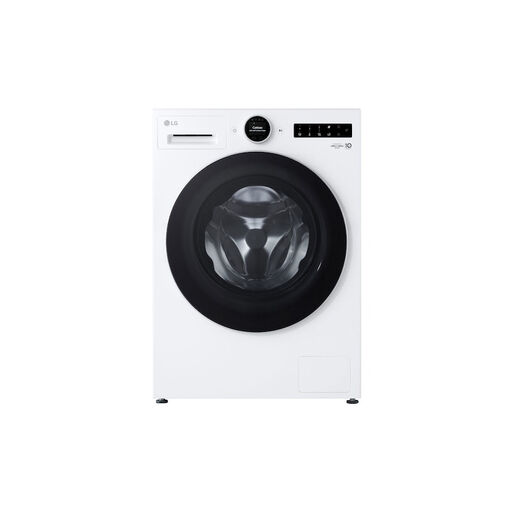 Image unavailable
LG F4WX851Y, 11 kg front-loading washing machine
Worth considering if you regularly wash large loads and are looking for an 11 kg capacity.
The listing gives it an A energy rating. For a particular duvet, check the available programmes and the textile’s care instructions; compare its energy use on the model’s energy label.
View on Joybuy
 Image unavailable
Haier X Series 11 HW100-BD14397PGU1, 10 kg
A 10 kg capacity to consider if large loads are part of your regular routine.
The product name specifies a spin speed of 1,400 rpm, as well as AutoDose, steam and Wi-Fi features. Check the model’s dimensions and whether its programmes suit your bulky textiles.
View on Joybuy
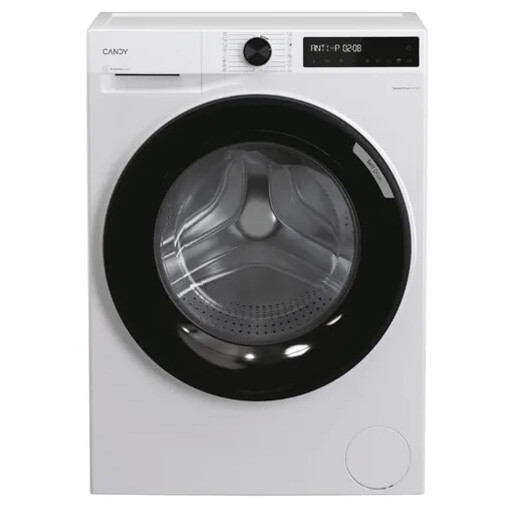 Image unavailable
Candy BR 411BL9-S, 11 kg front-loading washing machine
Its stated 11 kg capacity makes it worth considering if you regularly wash large loads.
The product is listed with an A energy rating. Before choosing it for duvets, check the model’s programmes and the care instructions for the textiles in question.
View on Joybuy
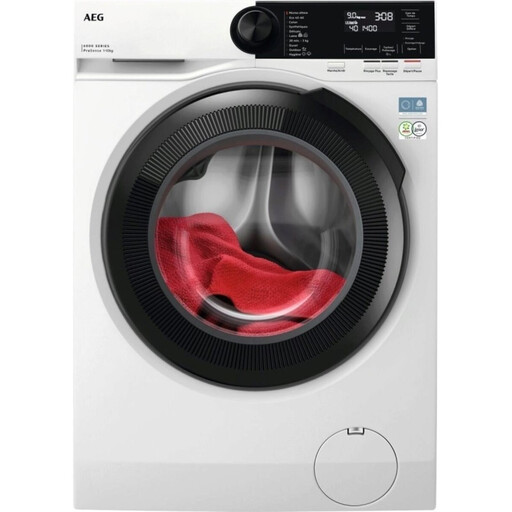 Image unavailable
AEG LFR62E114S, 10 kg front-loading washing machine
The 10 kg capacity is worth considering if your usual loads are large, rather than just for one occasional bulky item.
The product name specifies a freestanding design, a spin speed of 1,400 rpm and an A energy rating. Check its dimensions and the programmes available for the loads you actually wash.
View on Joybuy
 Image unavailable
Electrolux EW7FI259160V, 9 kg front-loading washing machine
A standard-capacity option if you mainly wash everyday loads and only occasionally have very bulky items.
The product name mentions SteamCare, SmartSelect, connectivity and a spin speed of 1,600 rpm. If you regularly wash large loads, check that 9 kg is enough for the weight of dry laundry you usually wash.
View on Joybuy
Frequently asked questions
What does the stated kilogram capacity of a washing machine mean?
It refers to the maximum weight of dry textiles the supplier says the machine can handle in one cycle, following its instructions, as defined by the European Commission. So don’t base your needs on the weight of wet laundry; also check the instructions for the programme and textile.
How do you compare the energy use of two different capacities?
Compare the energy labels for the exact models on the same basis. The European Commission says these labels include kWh per 100 cycles, litres of water per cycle, programme duration and noise levels for the Eco 40-60 programme; these figures don’t necessarily reflect the other programmes you use.
Does automatic load adjustment justify choosing a much larger drum?
Not on its own: first choose a capacity that suits the loads you wash most often. Que Choisir points out that how well load adjustment works can vary between machines; check the feature on the model you’re considering rather than assuming it will always make up for a partly full drum.
What should you measure before ordering a 10 or 11 kg washing machine?
Measure the space, access routes and clearance needed to open the door, then compare these with the exact model’s dimensions. Capacity alone doesn’t tell you the depth: the specifications for two 10 kg Haier models list depths of 583 and 672 mm respectively.


