What should you check before buying?
When choosing a washing machine for reusable nappies, start with your usual loads and the nappies’ care instructions, then check the available cycles and how you’ll manage drying. Compare appliance energy and water use on a like-for-like basis, and remember that these figures don’t apply to every programme.
| Criteria | What to check | Relevant to |
|---|
| Capacity and washing frequency |
Compare the capacity and dimensions with your usual loads, and leave room for the laundry to move around. |
When washes are frequent, I want to combine nappies with compatible laundry without cramming the drum. Around 29% of consumers would prioritise this washing routine. |
| Cycles and rinsing |
Check the temperatures and options in the model’s manual against your nappies’ care instructions. |
If my nappies need a specific setting, I want to be able to select it rather than rely on the programme name. For around 29% of consumers, control over the cycle would be the main priority. |
| Drying |
Plan for a well-ventilated drying area. If you’re considering a washer-dryer, check its drying capacity separately. |
In a home where laundry dries slowly, I need to know whether the nappies will be ready in time without increasing indoor humidity. This would be the main concern for around 24% of consumers. |
| Energy and maintenance |
Compare water use, energy use and cycle length on the same Eco 40-60 basis, and use the right amount of detergent. |
With regular washes, I want to keep track of the appliance’s consumption and avoid using too much detergent. Around 18% of consumers would make these running costs their main concern. |
Washing machines to help organise your nappy laundry
These washing machines offer a range of capacities to help you manage regular loads at home. Compare them with the amount of compatible laundry you can put together, then check the manual for each model to confirm it has the cycles you need. You’ll need to plan for drying separately.
 Image unavailable
Electrolux EW7FI259160V SteamCare SmartSelect, 9 kg
Worth considering if your nappy and compatible laundry loads suit a 9 kg capacity. The model name indicates a spin speed of up to 1,600 rpm and a smart feature.
Check the manual for cycles that meet your nappies’ care instructions and see whether an additional rinse is available.
View on Joybuy
 Image unavailable
Haier X Series 11 HW100-BD14397PGU1, 10 kg
Compare it with your usual loads if you can regularly wash compatible laundry alongside your nappies. The model name indicates a 10 kg capacity, a spin speed of up to 1,400 rpm and AutoDose.
For automatic dosing, check which settings suit your detergent and load. Also consult the manual for the available temperatures and rinse options.
View on Joybuy
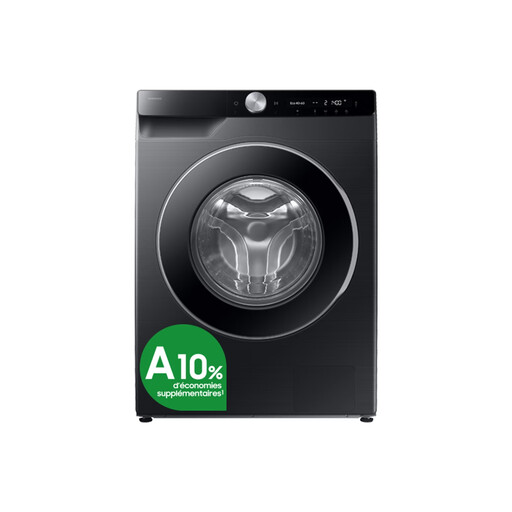 Image unavailable
Samsung WW90DG6U85LBU3 AI Wash 6000 Series, 9 kg, black
Compare its 9 kg capacity with the size of your regular laundry loads. The model name identifies it as part of the AI Wash 6000 Series.
Before choosing a cycle for your nappies, check the manual for its temperatures, how it runs and whether an additional rinse is available.
View on Joybuy
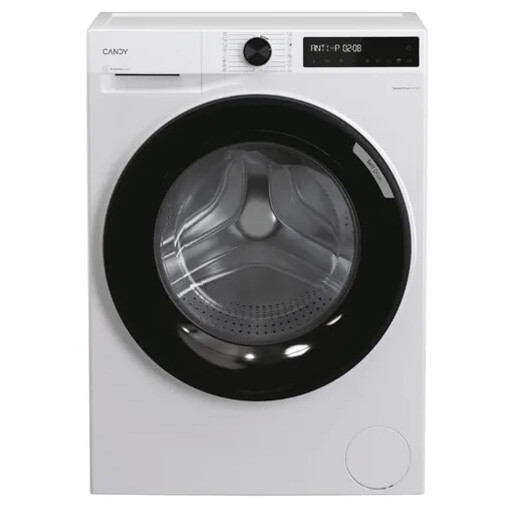 Image unavailable
Candy BR 411BL9-S, 11 kg, white
Compare the advertised 11 kg capacity with your actual loads. It doesn’t mean you need to cram the drum full.
Check the manual for temperatures and rinse options before choosing a programme for your nappies.
View on Joybuy
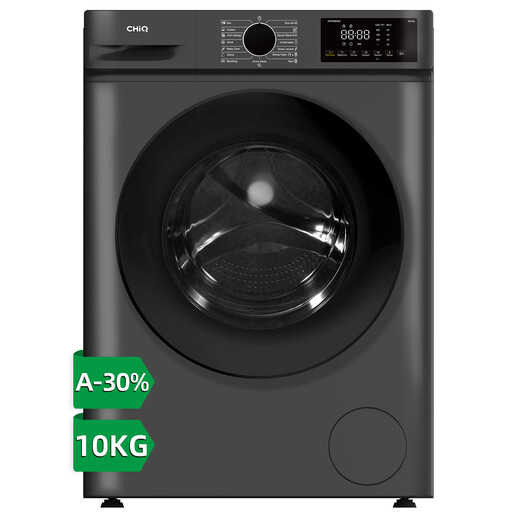 Image unavailable
CHiQ JW105883G, 10 kg, dark grey
Worth considering for regular loads that suit its advertised 10 kg capacity. The model name indicates 16 programmes and a spin speed of up to 1,400 rpm.
Check the installation dimensions, energy label consumption figures and cycle settings in the documentation for the exact model.
View on Joybuy
Frequently asked questions
Do you need a washing machine designed specifically for reusable nappies?
A domestic washing machine can work well if its cycles meet the nappies’ care instructions and its capacity suits your loads. ADEME recommends properly filled loads, lower temperatures where the care instructions allow and planning for drying.
Does ‘Eco 40-60’ always wash at 40 °C or 60 °C?
No. According to the European Commission, this name refers to a programme for normally soiled cotton declared washable at 40 °C or 60 °C. It doesn’t by itself set the temperature reached by the fabrics. Check the specifications and manual for the exact model before using it for your nappies.
Can you air-dry nappies indoors?
Yes, if you have a suitable drying space and the nappies’ care instructions allow it. ADEME recommends using a large, well-ventilated room or one with an extractor fan to limit the humidity caused by drying laundry.
Which figures on the energy label should you compare?
Compare capacity, energy use per 100 cycles, water use per cycle, cycle duration, noise and spin-drying efficiency across models on the same basis. These figures relate to the Eco 40-60 programme and may not describe the cycle you choose for your nappies.


