Homes where space is limited
Whether you’re placing the machine in a kitchen, bathroom or narrow passageway, measure the available space and the delivery route. Also check that the door or lid can open once the appliance is in place.


Before replacing your washing machine, measure the space and choose a capacity that suits the loads you actually wash. According to Que Choisir, a standard front-loading model is usually around 60 cm wide and needs space in front for the door to open. A top-loading model, around 40 to 46 cm wide, can work when space is tight, but needs clearance above. Then compare the Eco cycle figures, spin noise and how easy the specific model is to maintain. Extra programmes are no substitute for these checks.
Whether you’re placing the machine in a kitchen, bathroom or narrow passageway, measure the available space and the delivery route. Also check that the door or lid can open once the appliance is in place.
If laundry builds up regularly, look for a capacity that suits the amount you usually wash. A large drum that’s rarely full isn’t necessarily the right choice; ADEME recommends considering the loads you actually wash.
If you can hear the spin cycle from your living areas, or need programmes to fit around a busy schedule, compare noise levels and cycle times. Also consider how easy it is to access the filter, which Que Choisir’s survey identifies as a common source of frustration.
Best if: you have enough width and can open the door without anything getting in the way.
Bear in mind: you’ll need clearance in front of the appliance. According to Que Choisir, so-called ‘slim’ front-loading models are mainly shallower, not necessarily narrower.
Best if: limited width is making installation difficult, or you’d prefer to load your laundry from above.
Bear in mind: you’ll need enough clearance above to lift the lid. Its narrower width of around 40 to 46 cm, according to Que Choisir, doesn’t necessarily mean the model will fit your space.
| Factor | What to check | Who is it for? |
|---|---|---|
| Size and access | Measure the width, depth and height, as well as the delivery route. Then check how much space is needed to open the door or lid. | When space is tight, I want to be able to install, open and load the appliance without difficulty. Around 31% of consumers would put this at the top of their list of needs. |
| Capacity and laundry habits | Match the capacity in kg to your usual loads and any large items you wash. Que Choisir suggests 5 to 7 kg as a starting point for one or two people, and 7 to 8 kg for an average-sized family. | If I do laundry often, I want to avoid both extra loads and a drum that’s regularly only partly full. Around 31% of consumers would make this their priority. |
| Noise and cycle times | Compare the spin noise and the duration of the Eco programme on the energy label. Check the manual to see what load the quick programme can handle. | If the machine is near my living areas, I want the spin noise and waiting time to fit around my daily routine. Around 23% of consumers would put cycle comfort first. |
| Durability and maintenance | Check the model’s durability index and its breakdown, then make sure the filter will be accessible once the machine is installed. | If I plan to keep the appliance for a long time, I want to be able to carry out routine maintenance and explore repair options. Around 15% of consumers would make this their priority. |
A drum that’s too small may mean more washes. A large drum that’s regularly only partly full may not suit your household’s laundry habits either.
Think about the laundry you actually wash, including bulky items. Que Choisir’s capacity guidelines are a starting point to adapt to your habits.
A capacity that’s too small may mean having to do extra loads.
Que Choisir assesses washing, rinsing, spinning, cycle time and consumption separately. No single feature tells you how a model performs overall.
Compare the results and specifications for the exact model, including its dimensions, noise level and the cycles you’ll use.
According to Que Choisir, a quick programme usually takes a smaller load than the machine’s maximum capacity and isn’t well suited to heavily soiled laundry. Its shorter duration doesn’t mean it’s designed to use less energy.
Check the manual for its maximum load and choose a programme according to the fabric, how soiled it is and how much time you have.
In France, the durability index has applied to front- and top-loading washing machines since 8 April 2025, according to the Ministry of the Economy. The score alone won’t tell you whether maintenance will be easy in your room.
Check the details of the model’s index and locate the filter before deciding where to put the appliance.
Que Choisir’s satisfaction survey offers an indication of what washing machine owners think, but it doesn’t replace comparing the specifications of the model you’re considering.
Worth considering if owner satisfaction is a factor in your shortlist.
Worth comparing if ease of use and maintenance are important to you.
Compare the dimensions, cycles and durability index of each model.
Include it in your comparison if top-loading suits your installation constraints.
Compare the verifiable specifications of the model you’re considering, not just its advertised features.
This Joybuy selection includes front-loading washing machines and one top-loading model. Compare their loading types and capacities with your space and usual laundry loads, then check the other important details on each product page.
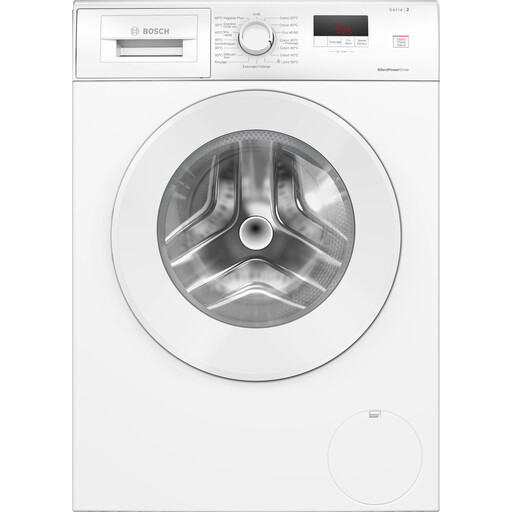 Image unavailable
Worth considering if a 7 kg capacity suits your loads and you have room to open the door.
The model name indicates 1,400 rpm and an A energy rating. Check the full dimensions, cycle times, durability index and filter access to make sure it suits your installation.
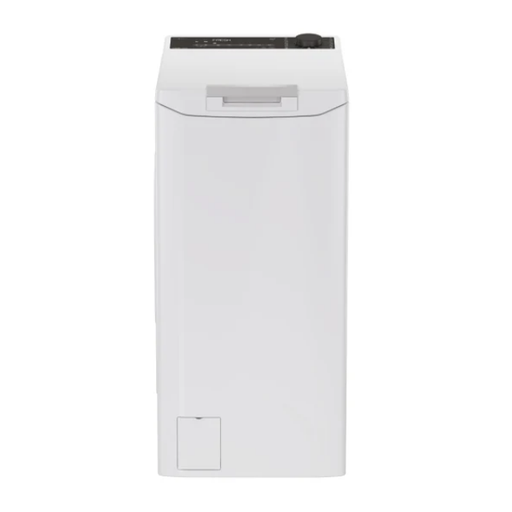 Image unavailable
Its top-loading design is worth considering if width is your main constraint. Make sure there’s room to open the lid.
The model name indicates 1,200 rpm, an A energy rating and Wi-Fi connectivity. Measure your space and check the spin noise and the model’s durability index.
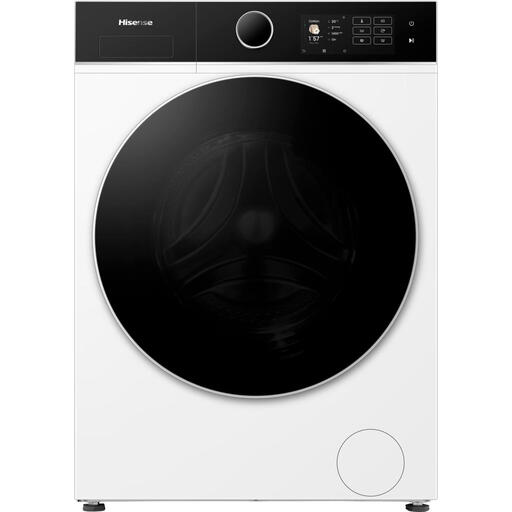 Image unavailable
Worth a look if an 8 kg capacity suits your regular loads. Check the dimensions and door clearance before choosing this model for a tight space.
The model name indicates 1,400 rpm and an Inverter motor. Also compare the Eco cycle time, spin noise and durability index.
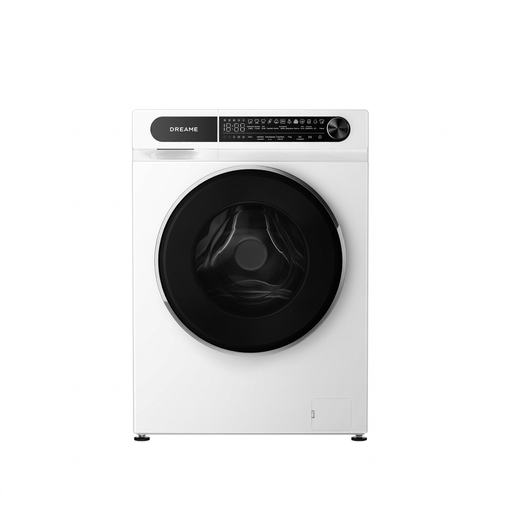 Image unavailable
Match its stated 8 kg capacity to the amount of laundry you wash regularly, rather than relying solely on the number of people in your household.
Before choosing, check its dimensions, Eco programme time, spin noise, French durability index and filter access.
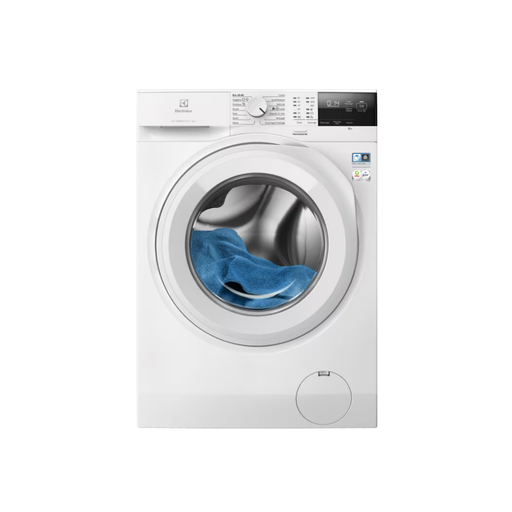 Image unavailable
Worth considering if you’re looking for an 8 kg front-loading model with programmes to suit your usual loads.
The model name indicates 1,400 rpm and the SensiCare function. Check the manual for the conditions of the programmes you’re interested in, as well as the Eco cycle time, French durability index and filter access.
Compare the energy rating, energy use in kWh per 100 cycles, water use per cycle, spin-drying efficiency, the duration of the reference programme and spin noise. The European Commission’s performance, duration and water consumption requirements relate to the ‘eco 40-60’ programme, so don’t assume its figures apply to every other programme.
For a front- or top-loading washing machine sold in France, look for the durability index and the breakdown of its score. According to the Ministry of the Economy, this index is scored out of 10 and takes repairability and reliability into account. It has replaced the repairability index for these appliances since 8 April 2025. Also check how easy it is to access the model’s maintenance components.
Usually not. According to Que Choisir, the load allowed on a quick programme is considerably smaller than the washing machine’s maximum capacity, and the cycle isn’t well suited to heavily soiled laundry. Check the model’s manual for the permitted load before making this a deciding factor.
Use the amount of detergent recommended in its instructions and make sure you can easily access the appliance’s maintenance components. ADEME says using too much detergent won’t get your clothes cleaner and can clog the washing machine. Also choose a programme that suits the fabric and load.