Households looking to avoid underfilled cycles
You’re replacing your washing machine or buying your first one, and want a drum that suits your usual loads without overlooking the bulky items you actually wash.


When replacing your washing machine, start by choosing a capacity that suits your usual loads: a larger drum that’s only partly full won’t necessarily use less energy. Then compare models with similar capacities by their kWh per 100 cycles, litres per cycle, Eco 40-60 programme duration, spin performance and noise levels on the energy label. If you’re planning to keep your appliance for a long time, also check the model’s durability index, parts availability and what the warranties cover.
You’re replacing your washing machine or buying your first one, and want a drum that suits your usual loads without overlooking the bulky items you actually wash.
You do laundry regularly and want to compare how appliances perform in everyday use, rather than relying on their energy rating alone.
You plan to keep your appliance for a long time and want to check the model’s durability index, parts availability and warranty cover before choosing.
Start with the dry laundry you usually wash, then compare the consumption figures for models with similar capacities. The label described by the European Commission gives figures for the Eco 40-60 programme; other programmes and load sizes may use different amounts.
| Criterion | What to check | Who it matters to |
|---|---|---|
| Drum capacity | Compare the capacity in kg of dry laundry with your usual loads and the maximum load for the programmes you use. | If I rarely fill the drum, I want to avoid underfilled cycles without having to run several washes for bulky loads. Around 34% of consumers would make choosing the right capacity a priority. |
| Water and electricity | For similar capacities, compare kWh per 100 cycles, litres per cycle and the Eco 40-60 programme duration. | If I do laundry often, I want to compare water and electricity use under the same reference conditions. Keeping consumption under control would be the top criterion for around 33% of consumers. |
| Durability and repair | Check the durability index for the specific model, which parts are available and what the warranties cover. | If I want to keep my next appliance for a long time, I want to know what repairs will be possible and what the warranty actually covers. Around 20% of consumers would put repairability ahead of other criteria. |
| Spinning and noise | Compare the spin-drying efficiency class and noise level during spinning in dB, rather than looking at spin speed in rpm alone. | If I dry laundry indoors or the machine is near a room in use, residual moisture and noise matter a lot to me. These factors would be a priority for around 13% of consumers. |
A drum that’s too large may lead you to run half-empty loads, while one that’s too small may mean doing more washes. ADEME recommends choosing a capacity that meets your actual needs.
Estimate the size and frequency of your dry laundry loads, then check the load limits for the programmes you’ll use, particularly for delicate fabrics.
The rating doesn’t tell you everything about water use per cycle, the duration of the reference programme, noise or spin performance. These figures could influence your choice between two appliances.
For models with similar capacities, compare the kWh per 100 cycles, litres per cycle, Eco 40-60 programme duration, spin-drying efficiency class and noise level in dB.
In France, according to the Ministry for Ecological Transition, the durability index has been gradually replacing the repairability index for the washing machines concerned since 8 April 2025. An older rating isn’t enough to compare current models.
Look up the durability index for the exact model and check the information on spare parts before making your decision.
A commercial warranty for a specific part doesn’t automatically cover the whole washing machine. It is separate from the statutory legal guarantee of conformity, which you claim from the professional seller.
Read the terms covering parts, labour and call-outs, as well as any exclusions and details of who is responsible for handling the warranty.
Worth considering if searching for parts using the exact reference number is important to you.
Worth considering if parts availability and repair arrangements are important to your decision.
Worth considering if the terms of a motor warranty could influence your choice.
These front-loading and top-loading models have stated capacities ranging from 6 to 9 kg. Start with the capacity that suits your loads and available space; then compare your shortlisted models using each one’s energy label and durability information.
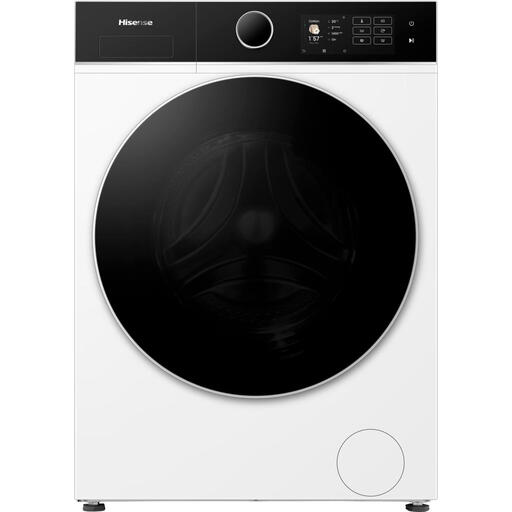 Image unavailable
Worth considering if your usual loads call for an 8 kg drum and a front-loading model suits the space.
Features stated in the product name: A energy rating and a maximum spin speed of 1,400 rpm.
Before choosing, check that the capacity suits your actual loads and look at the energy label and the model’s durability index.
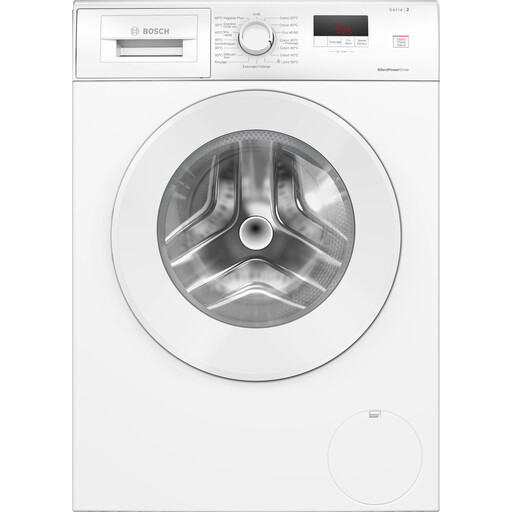 Image unavailable
Worth considering if a 7 kg capacity suits your usual laundry loads and a front-loading door works with your installation.
Features stated in the product name: A energy rating and a maximum spin speed of 1,400 rpm.
Check the overall dimensions, including the door, then look up the energy label and durability index for the exact model.
 Image unavailable
Worth considering if your loads suit a 7 kg capacity and a top-loading design works in the available space.
Features stated in the product name: A energy rating and a maximum spin speed of 1,200 rpm.
Allow enough room to open the lid, and compare the energy label too, including the noise level and Eco 40-60 programme duration.
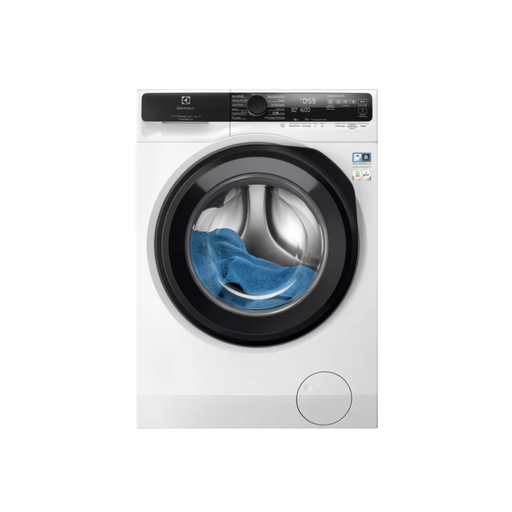 Image unavailable
Worth considering if you regularly wash loads large enough to make use of a 9 kg capacity.
Features stated in the product name: maximum spin speed of 1,600 rpm, plus SteamCare and SmartSelect functions. Spin speed alone doesn’t determine the spin-drying efficiency class.
Check the dimensions and compare the spin-drying efficiency class, energy and water use, and the durability index for the exact model.
 Image unavailable
Worth considering if your usual loads are no more than 6 kg and a top-loading design suits the way you do laundry.
Features stated in the product name: B energy rating and a maximum spin speed of 1,400 rpm.
If your loads often exceed this capacity, bear in mind that you may need to run extra cycles. Also check the space needed to open the lid, the noise level on the label and the durability index.
Compare the kWh per 100 cycles and litres per cycle for washing machines with similar capacities, and don’t forget the programme duration. According to the European Commission, these figures are based on standardised conditions for the Eco 40-60 programme; they won’t predict your exact consumption with other programmes or load sizes.
Check the durability index for the specific model. According to the Ministry for Ecological Transition, it has been gradually replacing the repairability index for washing machines since 8 April 2025. The rating applies to the particular appliance, not an entire brand.
No. Check which parts are covered, which appliance reference they’re available for and the terms of access. A manufacturer’s stated availability period doesn’t mean every component will be available or that every repair can be carried out without a professional.
No. In France, the DGCCRF states that the legal guarantee of conformity is claimed from the professional seller and that you have two years to claim it for a new product. A commercial warranty can be added on top; check separately which components it covers, any exclusions and how to make a claim.