If you regularly wash large loads of dry laundry and have enough space, start by considering a 9–10 kg front-loading washing machine rather than a top-loader. A top-loader is mainly a solution when space is limited, and usually has a smaller capacity. In either case, check the load limits for your chosen programme before planning to wash a duvet or another bulky item.
Who is this choice for?
Households whose laundry piles up quickly
If clothes, towels and bedding regularly mean running several cycles, compare the stated capacity with the weight of your usual dry loads. UFC-Que Choisir points out that choosing the wrong capacity can affect energy and water use: the biggest drum isn’t automatically the right one for you.
Households washing bulky household textiles
For large sheets or bedding, the capacity in kilograms isn’t the only thing that matters. The programme, its load limits and the textile’s care instructions must also allow for the wash you have in mind.
Households with limited space
A top-loading machine may be a good solution if width is an issue. However, you’ll need to weigh its capacity against the size of your household’s larger loads: UFC-Que Choisir says top-loaders do not exceed 8 kg.
What should you look for?
Start with the loads you wash most often, then check how the machine handles particular textiles, its cycle information and the space available.
| What matters |
What to check |
Who this matters to |
| Fewer, fuller loads |
Capacity in kg of dry laundry; the weight of your most common everyday loads. |
When the laundry basket fills up quickly, I want to wash my usual loads without running several cycles. Around 36% of consumers put capacity at the top of their list. |
| Washing larger items |
A suitable programme and its permitted load, as stated in the manual; the textile’s care label. |
If I regularly wash sheets or bulky bedding, I need to know whether the chosen programme can handle them. For around 29% of consumers, how the machine handles these textiles comes before other considerations. |
| Handling different-sized loads |
Energy and water use, and cycle duration, compared on the same Eco 40-60 basis; whether the cycle adjusts to the load. |
On days when I have less laundry, I want to understand how long the cycle takes and what resources it uses. This is a priority for around 21% of consumers. |
| Making sure it fits |
Dimensions of the exact model; clearance needed for the door or lid to open and for connections. |
I do a lot of washing, but the machine also needs to fit the available space without making it difficult to load. Around 14% of consumers prioritise this installation constraint above all else. |
Mistakes to avoid
-
Assuming a larger capacity always means lower energy and water use
UFC-Que Choisir highlights that choosing the wrong capacity can increase water and electricity consumption. A small drum can also mean splitting a large load across several cycles.
Estimate the weight of your usual dry loads, and distinguish them from the bulky item you only wash occasionally.
-
Assuming a narrow top-loader can handle as much as a large front-loader
The smaller width doesn’t mean the same usable capacity. UFC-Que Choisir says top-loaders do not exceed 8 kg; the Whirlpool TDLR 6040S EU/N listed in EPREL has a stated capacity of 6 kg.
Choose this format if its dimensions or top-loading design matter more to you than combining larger loads.
Splitting loads means more cycles and more time to wash the same amount of laundry.
-
Comparing figures from different programmes
Consumption figures and cycle times are only useful for comparison when they’re based on the same programme. Eco 40-60 is different from quick programmes and those designed for particular textiles.
First compare kWh per 100 cycles, litres per cycle and cycle duration on Eco 40-60. Then look separately at the programmes you’re likely to use.
-
Measuring the width but not the depth
Dimensions vary: Electrolux France lists the front-loading EW6F5146BS as 658 mm deep, while Whirlpool France gives the top-loading TDLR6247FR/N a width of 40 cm and a depth of 60 cm.
Check all three dimensions for the model you’re considering, and consult its manual for the clearance needed to open it and connect it.
Brands to consider for these needs
Bosch
Bosch Électroménager France lists the WGH254A0FR front-loader with a 10 kg capacity and a maximum spin speed of 1,400 rpm.
- Worth considering if you regularly wash large loads.
- Before choosing, check its dimensions and the load limits of the programmes you’ll need.
Electrolux
Electrolux France lists the EW6F5146BS front-loader as a 10 kg model with a depth of 658 mm.
- Its capacity makes it worth considering for regular family-sized loads.
- Check that you have enough depth, and confirm the load limit for the programme you plan to use.
Whirlpool
The brand offers top-loading models with a 6 kg capacity, among others. Whirlpool France lists the TDLR6247FR/N as 40 cm wide.
- This format is worth considering when a narrow width is essential.
- A 6 kg capacity may mean splitting your household’s larger loads.
Miele
Miele France lists the WWD380 WCS front-loader with a 9 kg capacity and a maximum spin speed of 1,400 rpm.
- Another option to consider if your usual loads are a good fit for 9 kg.
- Don’t assume this is a 10 kg machine, or that its capacity means it can handle every type of bedding.
Front-loading machines on Joybuy
These 10 or 11 kg front-loaders are worth considering if you want to combine frequent loads and have enough space. For every model, the stated capacity doesn’t replace the instructions for the programme you use to wash bulky items.
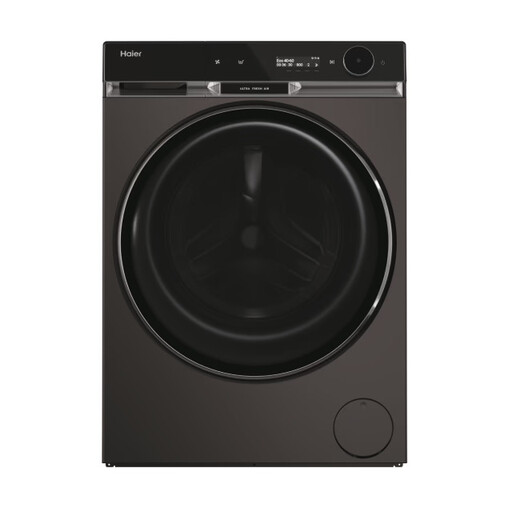 Image unavailable
Haier X Series 11 HW100-BD14397PGU1, 10 kg
Worth considering for regular family-sized loads if a front-loader suits your space. The product listing states a 10 kg capacity, 1,400 rpm, an A energy rating and AutoDose. Check the installation dimensions and the load limit for the programme you plan to use for bulky laundry.
View on Joybuy
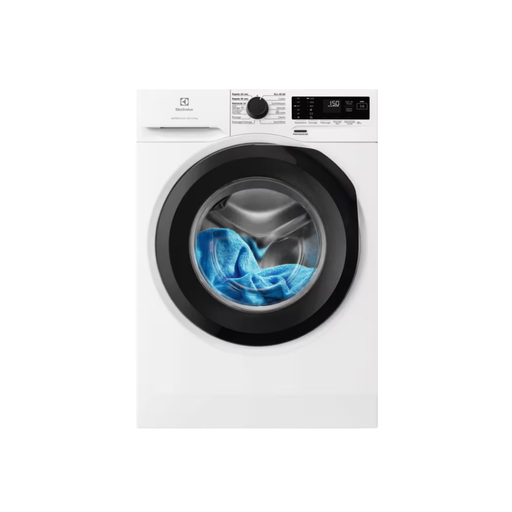 Image unavailable
Electrolux EWF1410N2, 10 kg
Compare its 10 kg capacity with the larger loads you wash regularly. The product name mentions TimeSave and steam functions; check the manual for the programmes and their load limits, as well as the space needed to install this model.
View on Joybuy
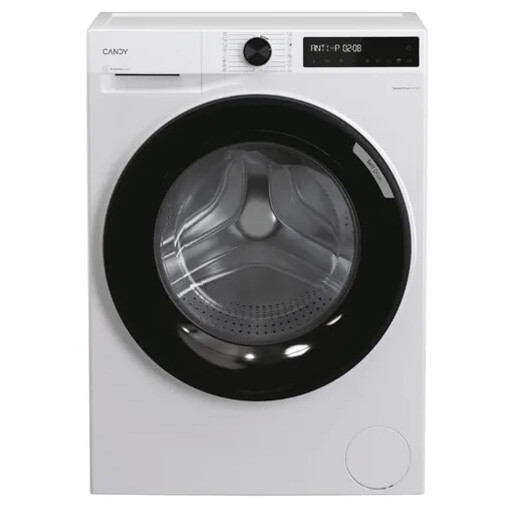 Image unavailable
Candy BR 411BL9-S, 11 kg
The stated 11 kg capacity is worth considering if you regularly wash large loads, rather than only doing so occasionally. This front-loader is listed with an A energy rating. Check its depth and the programme’s load limits before planning to wash a duvet.
View on Joybuy
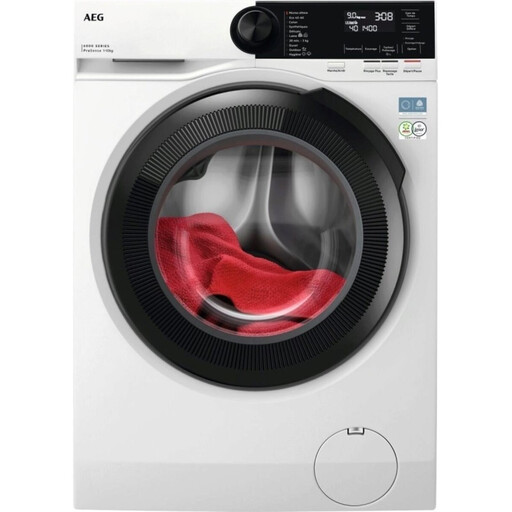 Image unavailable
AEG LFR62E114S, 10 kg
This freestanding model may be a good option for combining family loads if its capacity suits what you wash regularly. The product title states 10 kg, 1,400 rpm and an A energy rating. Check the dimensions of this model and the instructions for the programme you’ll use for your textiles.
View on Joybuy
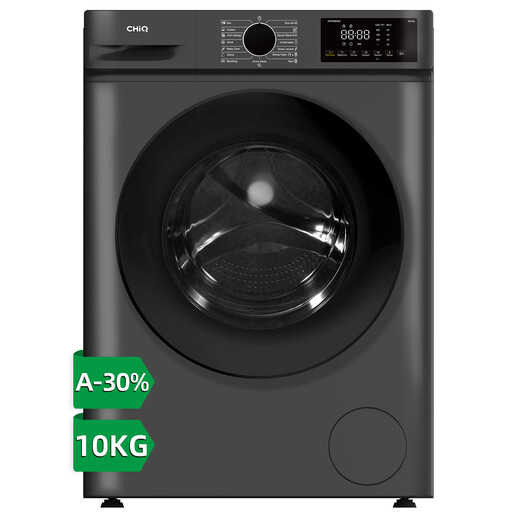 Image unavailable
CHiQ JW105883G, 10 kg
Compare it with the loads that regularly build up in your household. The product title states 10 kg, 1,400 rpm and 16 programmes, but the number of programmes alone doesn’t confirm whether a particular duvet can be washed. Check the manual, the textile’s care label and the installation dimensions.
View on Joybuy
Frequently asked questions
What does a 10 kg capacity mean?
It refers to the maximum weight of dry laundry for the relevant programme, when you follow the manufacturer’s instructions. It doesn’t mean a delicate programme or a duvet can automatically take 10 kg: check the programme’s load limit and the textile’s care label.
Is a top-loader suitable for a household that does a lot of laundry?
Yes, if available width or loading from the top is your priority, and its capacity is enough for your usual loads. UFC-Que Choisir says top-loaders do not exceed 8 kg; the Whirlpool TDLR 6040S EU/N listed in EPREL has a stated capacity of 6 kg. You may therefore need to split larger loads.
How do you compare the energy and water use of two washing machines?
Compare their kWh per 100 cycles, litres per cycle and cycle duration on the same Eco 40-60 basis. Then look separately at quick programmes and those for particular textiles: their figures aren’t directly comparable with Eco 40-60.
Does load adjustment make a larger drum worthwhile?
Not on its own. Electrolux says its SensiCare system adjusts the cycle to the load on the EW6F5146BS, but this feature doesn’t change the machine’s dimensions or the load limits of individual programmes. Choose a capacity that suits the loads you actually wash.


