Who is this option for?
How often you wash large loads matters just as much as the size of the duvet you want to wash.
Households with laundry baskets that are often full
Clothes, sheets and towels regularly fill the drum. A larger capacity can mean you don’t have to split these loads, as long as it’s suited to your usual laundry. Que Choisir recommends matching capacity to how often you actually do large washes.
Households that often wash duvets or throws
Weight in kilograms isn’t the only thing to consider: check the care label, the programme’s load limit and the space available in the drum. Darty advises against cramming in a duvet, as it takes up more room once wet.
Households with occasional large loads
If most of your washes are small or medium-sized, an intermediate capacity may suit your everyday needs better than a very large drum that’s rarely full. ADEME recommends checking that a large capacity is right for your household’s needs.
What should you compare?
Start by looking at your usual loads, then separately check what the machine can handle for duvets and the programmes you plan to use.
Large capacity
Who it’s for : Households that regularly have full baskets and large loads may want to consider 10 to 12 kg, in line with the situations described by Que Choisir.
Things to consider : Extra capacity is less useful if the drum is often underfilled; also check how much space you’ll need for installation.
Intermediate capacity
Who it’s for : According to Que Choisir, 8 to 9 kg is generally enough for a household of 3 to 4 people if very large loads aren’t a regular occurrence.
Things to consider : A duvet still needs to comply with its care instructions and the selected programme’s load limit. The stated capacity alone won’t tell you whether it’s suitable.
| Factor |
What to check |
Think about your needs |
| Capacity in practice |
Consider how often you do full loads and have to split your laundry. Que Choisir generally recommends 8 to 9 kg for a household of 3 to 4 people, and suggests considering 10 to 12 kg if large loads are a regular occurrence. |
Are my baskets often full, or is it mainly the occasional duvet that makes me consider a large drum? |
| Load per programme |
Check the manual for the exact model and the item’s care label. The European Commission defines rated capacity in kilograms of dry textiles for a specific programme, in accordance with the manufacturer’s instructions. |
I want to know whether the bedding or delicate programme can actually handle the item I plan to wash. |
| Room in the drum |
Make sure a duvet fits without being squashed. To help it move around, Darty recommends filling the drum halfway, or no more than three-quarters full. |
The duvet needs room to move during the wash; its dry weight alone doesn’t tell me how much space it will take up. |
| Consumption |
Compare kWh per 100 cycles, litres per cycle and the Eco 40-60 programme duration on the energy label. If you often do small loads, also check any information available for partial loads. |
My loads vary a lot, so I don’t want to estimate consumption based on the stated capacity alone. Que Choisir points out that an unsuitable capacity can lead to excessive consumption or more cycles. |
| Installation and use |
Measure the space, access routes and room needed to open the door. Also compare the noise level and spin-drying class on the label, and check that the parts requiring maintenance are accessible. |
I want to be able to load household laundry easily and use and maintain the machine in the space available. |
Which branded models should you consider?
These models offer specific configurations to compare; a feature of one model doesn’t necessarily apply to the whole brand.
AEG
The LFR62E114S is a 10 kg front-loading model worth considering if you regularly wash large loads.
- AEG lists a 69 L drum and describes ProSense as adjusting the cycle duration, water and energy use according to the amount of laundry.
- Check the manual for the load limits for the items you wash, as well as the space needed for installation.
Bosch
The WGB256A2FR is a 10 kg model to compare if you often wash bulky loads.
- Bosch’s product specifications state a spin speed of up to 1 600 rpm and a depth of 590 mm for this model.
- Check the load limit for each programme and the other dimensions before deciding whether this model suits your laundry and available space.
LG
According to LG France, the F14R35WHS has a stated capacity of 10 kg and a 68 L drum.
- Its capacity and drum volume make it worth considering for large household loads.
- LG says the recommended maximum load varies by programme, so don’t assume the 10 kg capacity applies to a duvet without checking the manual.
Miele
The WWD380 WCS is a 9 kg model to consider if your large loads don’t necessarily call for 10 kg of capacity.
- Miele lists a capacity of 9 kg and a spin speed of 1 400 rpm for this model.
- Check the load limits for each programme and whether its features are useful for your usual laundry.
Washing machines available on Joybuy
This selection includes 10 kg washing machines for frequent large loads, as well as 8 to 9 kg models to consider if large loads are more occasional. For a duvet, always check the model’s manual and the item’s care label.
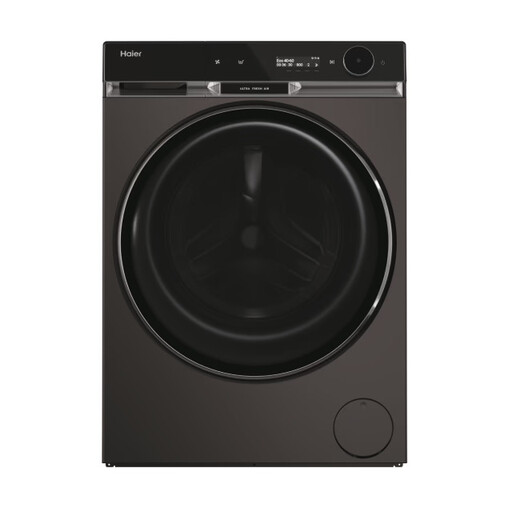 Image unavailable
Haier X Series 11 HW100-BD14397PGU1, 10 kg
Worth considering if you regularly wash large loads. The product listing states a capacity of 10 kg, a spin speed of 1 400 rpm and an A energy rating. Check the manual for the load limit on the programme intended for your bulky items. Also make sure the plug specified for this model is suitable for your installation.
View on Joybuy
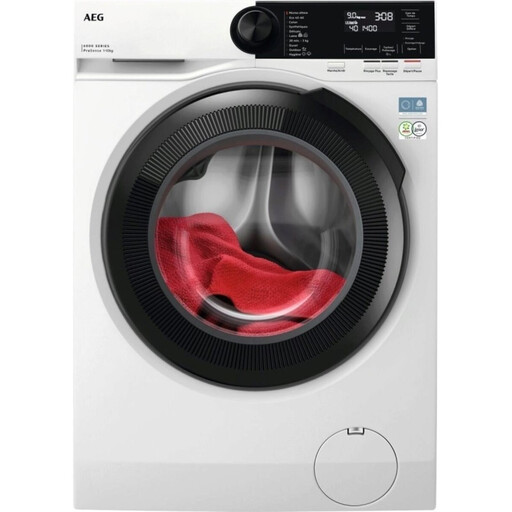 Image unavailable
AEG LFR62E114S, 10 kg
A capacity worth considering if your laundry baskets are regularly full. AEG lists a 69 L drum and describes ProSense as adjusting the cycle to the amount of laundry; the product listing states a spin speed of 1 400 rpm and an A energy rating. Check the load limit for the programme intended for your duvet and the space needed for installation.
View on Joybuy
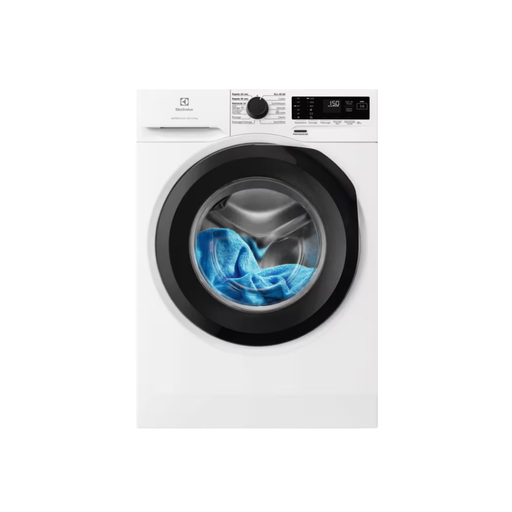 Image unavailable
Electrolux EWF1410N2, 10 kg
Its stated capacity of 10 kg makes it worth considering for regular large loads. Before putting a duvet in the machine, check the manual for suitable programmes and their maximum loads; rated capacity doesn’t necessarily apply to every cycle.
View on Joybuy
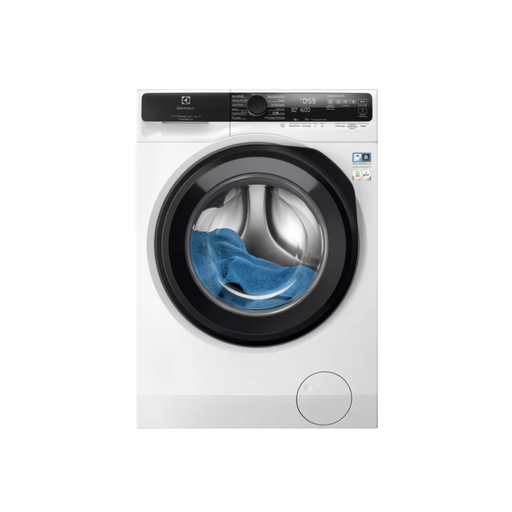 Image unavailable
Electrolux EW7FI259160V, 9 kg
Compare it with 10 kg models if you don’t wash large loads as often. The product listing states a capacity of 9 kg and a spin speed of up to 1 600 rpm. Check that the programme and load limit suit your bulky items, and follow their spin-drying instructions.
View on Joybuy
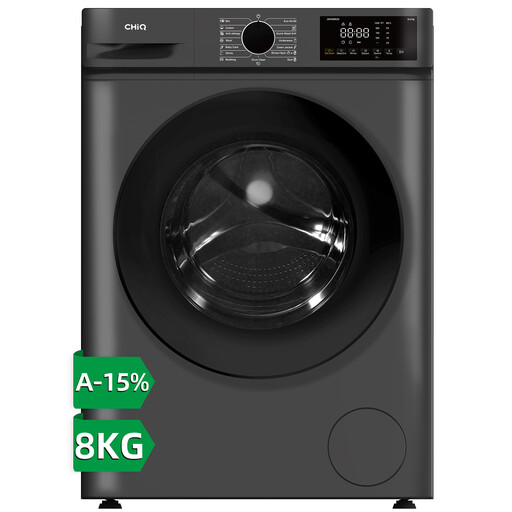 Image unavailable
CHiQ JW85883G, 8 kg
This intermediate capacity is worth considering if very large loads are only occasional. The product listing states a capacity of 8 kg and a spin speed of 1 400 rpm. For a duvet or large throw, check the load limit for the selected programme and how much room the item takes up in the drum.
View on Joybuy
Frequently asked questions
Do you need a 10 kg machine to wash a duvet?
No. Check the duvet’s care label, the programme and its load limit, then make sure the item isn’t crammed in. Darty points out that a duvet takes up more room as it absorbs water, and recommends filling the drum halfway, or no more than three-quarters full, to give it room to move around.
Does the stated capacity apply to every programme?
No. According to the European Commission’s definition, rated capacity is the maximum weight of dry textiles for a selected programme, with the load arranged in accordance with the manufacturer’s instructions. Check the model’s load chart before using a delicate or bedding programme.
How do you compare the energy use of models with different capacities?
First, compare the figures on their energy labels on the same basis, including kWh per 100 cycles, litres per cycle and the Eco 40-60 programme duration. Then consider your usual loads: as Que Choisir points out, an unsuitable capacity can lead to excessive consumption or force you to run more cycles.
How should you choose a spin setting for household laundry?
Check the care instructions for your items, then compare the spin-drying class and noise levels shown for the machines you’re considering. A higher number of revolutions per minute doesn’t mean you can skip checking which programme is actually suitable for your sheets, throws and other delicate items.


