What should you look for?
Start with how often you wash and the care instructions for your nappies, then compare machines based on their settings and how well they’ll fit into your home.
| What matters |
What to check |
Consumers concerned |
| Capacity and nappy rotation |
Rated capacity, drum volume and dimensions; compare these with your nappy stash and the laundry that can be washed with it. |
When nappies pile up between washes, I look for a suitable load size without overfilling the drum. Around 31% of consumers would prioritise this. |
| Wash settings |
A separate rinse or spin, the main cycle and a choice of temperatures that match the nappy care labels. |
If my nappies need different temperatures for different materials, I want to be able to set each stage of the wash. This flexibility would be a priority for around 31% of consumers. |
| Energy and water use, and maintenance |
Energy rating, kWh per 100 cycles and litres per cycle on the EU label; also check the model’s repairability index and care instructions. |
With frequent washes, I want to compare the stated consumption figures and plan how to maintain the machine. Around 23% of consumers would put these points first. |
| Drying and available space |
Ventilation in the drying area; for a washer-dryer, check its drying capacity and the care labels on nappies, inserts and wraps. |
Without outdoor space, I need to find somewhere to dry nappies without overlooking indoor humidity. This would be the main concern for around 15% of consumers. |
Joybuy’s published ranking
The positions below are taken from an extract of Joybuy’s best-selling products ranking, which is based on sales and views. They don’t rank washing machines by how suitable they are for washing nappies.
| Rank |
Model |
Features |
Reason for ranking |
Platform |
| 1 |
CHiQ JW105883G, 10 kg |
1 400 rpm; 16 programmes; stated 530 mm drum. |
Position published by Joybuy based on its sales and views criteria; check the programmes in the manual to see if they suit your nappy-washing routine. |
Joybuy |
| 3 |
CHiQ JW85883G, 8 kg |
1 400 rpm; 16 programmes; stated 530 mm drum. |
Position published in the same Joybuy ranking; the listed features alone aren’t enough to establish whether the cycles are suitable for your nappies. |
Joybuy |
| 6 |
Samsung WW90DG6U85LBU3, 9 kg |
6000 Series AI Wash washing machine; stated A rating. |
Position published in Joybuy’s ranking, based on sales and views rather than an assessment of how well it washes nappies. |
Joybuy |
Washing machines and washer-dryers on Joybuy
These machines let you compare washing capacities for your nappy rotation. For the two washer-dryers, you’ll also need to check their drying capacity separately and read the fabric care labels.
 Image unavailable
Electrolux EW7FI259160V, 9 kg
Compare its stated 9 kg capacity with your nappy stash and the loads you can wash together. This front-load washing machine is also listed with a spin speed of 1 600 rpm. Before choosing a programme, check the manual for this version to see how long the main cycles take.
View on Joybuy
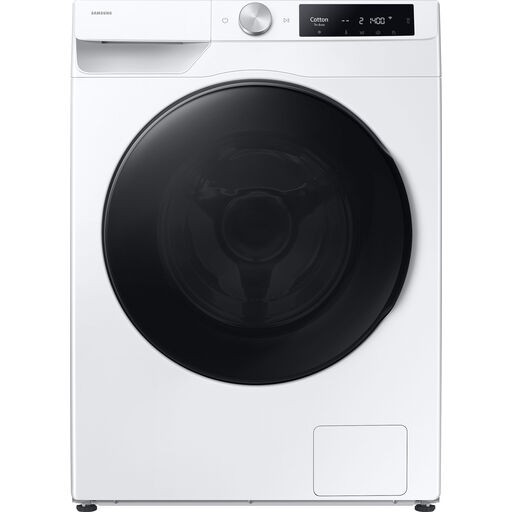 Image unavailable
Samsung WD11DG6B85BEU3, 11 kg wash, 6 kg dry
This washer-dryer is worth considering if you’re also looking at machine-drying. Its stated capacities are 11 kg for washing and 6 kg for drying. Check the wash settings in the manual separately, and make sure the care labels on every part of the nappies allow tumble-drying.
View on Joybuy
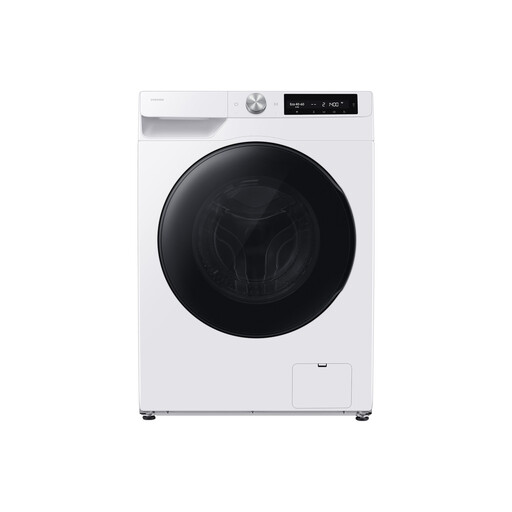 Image unavailable
Samsung WD10HG6U34BEU3, 10 kg wash, 6 kg dry
If your routine includes washing and possibly machine-drying, compare its stated capacities of 10 kg for washing and 6 kg for drying. A full wash load won’t therefore match the stated drying capacity. Check the cycle details in the manual and read the care labels on your nappies, too.
View on Joybuy
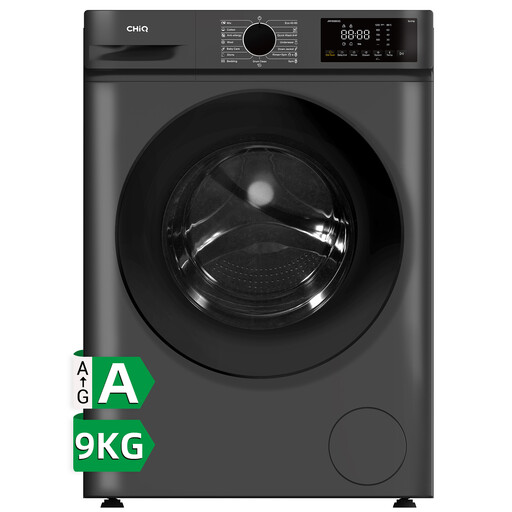 Image unavailable
CHiQ JW95883G, 9 kg, 1 400 rpm
Compare its stated 9 kg capacity with your nappy rotation and the load instructions. Check the programmes in the manual and confirm the exact dimensions of the version on sale before planning where to install it.
View on Joybuy
Frequently asked questions
Which programmes should you check for washing cloth nappies?
Check whether you can run a separate rinse or spin and main cycle, and choose the temperature. Lulu Nature describes a cold rinse followed by a long cycle at 40 or 60 °C, depending on the materials. The care labels on your nappies, inserts and wraps determine which settings are suitable.
Is a 9 kg washing machine automatically suitable?
No. The 9 kg figure is the rated capacity for dry textiles, not a guaranteed number of nappies. Compare your stash and washing frequency with the load instructions, then check the drum volume and the space the machine will need.
Which figures should you compare if you wash frequently?
The European Union energy label includes figures such as kWh per 100 cycles and litres per cycle, based on a regulated measurement method. Compare these figures across similar machines, but don’t assume they’ll match the consumption of your own routine. For front-load and top-load washing machines in France, the Ministry of the Economy says the durability index has applied since 8 April 2025. Check the score and its breakdown for the specific model.
How can you dry cloth nappies in a home without outdoor space?
For natural indoor drying, ADEME recommends using a large, well-ventilated room or one with an extractor fan, as drying laundry adds moisture to the air. If you’re considering a tumble dryer or washer-dryer, first check the care labels on every component. For a washer-dryer, also check its drying capacity, which is separate from its washing capacity.


