Households that do fewer, fuller loads
You want a capacity that suits the loads you can realistically wait to build up and wash together, rather than a larger drum that is rarely full. ADEME says that 7 kg is enough for most households.


Start by choosing a capacity that suits the laundry you can realistically gather into a load, and check that the appliance will fit and the door can open in the space available. According to ADEME, 7 kg is enough for most households. Then compare energy use, cycle duration and noise on a like-for-like basis, and check the load limits for the programmes you use. For a washer-dryer, always distinguish the washing capacity from the capacity for a complete wash-and-dry cycle.
You want a capacity that suits the loads you can realistically wait to build up and wash together, rather than a larger drum that is rarely full. ADEME says that 7 kg is enough for most households.
Before choosing a front-loading or top-loading washing machine, check the width, depth, door or lid clearance, access to connections and noise during the spin cycle.
You need your clothes back regularly, so the duration and load limits of the programmes you use also matter when planning your day-to-day laundry.
Worth considering: if you have enough space in front of the door and want to combine regular or bulky loads.
Bear in mind: the appliance needs enough clearance for the door to open; a larger capacity may not suit frequent small loads.
Worth considering: if width is your main constraint and there is enough space above the appliance for the lid to open fully.
Bear in mind: a narrower design does not necessarily mean a shallower appliance or a capacity that suits your larger loads.
Worth considering: if you want washing and drying in one appliance, and your usual load suits the complete cycle.
Bear in mind: the drying capacity may be lower than the washing capacity, so you may need to remove some laundry before drying.
| Feature | What to check before buying | Who should pay most attention? |
|---|---|---|
| Capacity you can actually use | Estimate how much laundry you gather for a load, and check the load limit for your usual programmes, not just the maximum capacity. | If you want to avoid running extra cycles without buying an oversized drum, start with the loads you actually do. Around 28% of consumers prioritise washing capacity. |
| Space and connections | Measure the width, height, overall depth, delivery route and clearance needed to open the door or lid. Check the connections in the manual. | If space is limited or the connections are difficult to access, check the measurements and clearance before choosing a format. Around 22% of consumers prioritise fitting the appliance and connecting it. |
| Programmes and energy use | Compare energy use and the duration of the Eco 40-60 programme on a like-for-like basis. Then check the load limits and duration of the programmes you plan to use. | If you do laundry regularly, also look at the duration and load limits of the programmes you’ll actually use, not just the reference cycle. Around 22% of consumers prioritise suitable programmes and energy use. |
| Spin cycle and noise | Check the spin-drying efficiency class and noise level during the spin cycle on the label, taking into account where the appliance will go and when you use it. | If the machine is near living areas or will run at sensitive times, compare the spin performance and noise levels shown. Around 17% of consumers prioritise this balance. |
| Wash-and-dry cycle | For a washer-dryer, compare its washing and drying capacities, as well as the duration and energy use of the complete cycle. | If you want to wash and then dry in the same appliance, check that your load will fit in the complete cycle. Around 11% of consumers prioritise this feature. |
ADEME recommends choosing a capacity to suit your actual needs and says that 7 kg is enough for most households. The maximum load can also vary by programme.
Start with the loads you can realistically combine, then check the capacity limits for the programmes you plan to use.
The drying capacity may be lower than the washing capacity, so a load that fits in one wash may not fit in a complete cycle.
Before choosing a washer-dryer, compare the capacity of its complete cycle with the size of your usual loads.
The overall depth, door clearance and route to the installation space may require more room than the main dimensions suggest.
Measure the delivery route, the space available and the clearance needed to open the door. Then check the connections and what’s included in the installation services on offer.
Its documented top-loading and washer-dryer models are useful for comparing width constraints and capacity for a complete cycle.
An 8 kg front-loading model gives you a way to assess a mid-range capacity and the figures for its reference cycle.
The specification for a 9 kg front-loading model distinguishes the appliance dimensions from those that matter when fitting it.
A 9 kg front-loading model has documented dimensions and capacity to check when comparing machines for larger loads.
This selection includes front-loading washing machines and a washer-dryer to help you manage your household laundry. Compare their capacity and format with your loads and the space available.
 Image unavailable
Worth considering if your combined loads suit a 7 kg capacity and you have enough clearance in front of the door.
Capacity: 7 kg. Spin speed: 1 400 rpm. Energy rating: A.
 Image unavailable
A washer-dryer combines both functions in one appliance. Check that the load limit for the complete cycle suits your laundry.
 Image unavailable
Worth considering if your combined loads suit a 10 kg capacity and a front-opening door works for your space.
Capacity: 10 kg. Spin speed: 1 400 rpm. Energy rating: A.
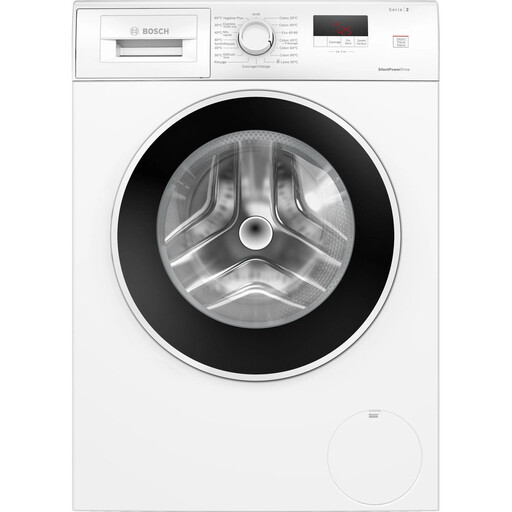 Image unavailable
Worth considering if a 7 kg capacity suits your combined loads and you can allow enough space in front of the door.
Capacity: 7 kg. Spin speed: 1 400 rpm. Energy rating: A.
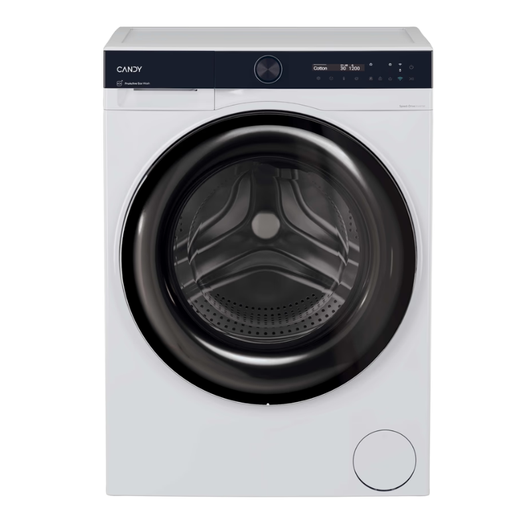 Image unavailable
Worth considering if your combined loads suit a 10 kg capacity and a front-loading design works for your room.
Capacity: 10 kg. Spin speed: 1 400 rpm. Energy rating: A.
Compare kWh per 100 cycles, litres per cycle and cycle duration using the same Eco 40-60 reference. Then check the load limit and duration of the programmes you plan to use. The reference figures do not apply equally to every cycle.
Measure the appliance, the route into the room and the clearance needed to open the door or lid. Then check the connections in the manual. Electrolux’s pre-installation guide says its installers do not carry out plumbing or electrical work, so check what the service you’re offered includes.
Follow the manual for routine maintenance and keep a record of the appliance’s exact model reference. In France, the legal guarantee of conformity provided by a professional seller is separate from any commercial guarantee. Ask the seller about the applicable terms and how to make a claim.
The French Ministry of the Economy says that, since 8 April 2025, sellers must display the durability index for front-loading and top-loading washing machines. This requirement does not mean that the same rule applies to washer-dryers.