Which brands should you consider?
These brand examples highlight features to compare on specific models; they don’t represent every product in each range.
Bosch
A brand worth considering if you’re looking for a 10 kg washing machine, for example.
- Bosch Electroménager France lists a 10 kg capacity and 1 400 rpm spin speed for the WGH254A0FR.
- Check the capacity, programmes and dimensions of the model you’re considering rather than assuming they apply across the whole range.
Miele
Another brand worth considering if you regularly put together large loads.
- Miele France lists a 10 kg capacity, an A energy rating and a 1 400 rpm spin speed for the WCK360 WCS PWash&10kg.
- Compare the label and dimensions of your chosen model; these figures don’t apply to every Miele appliance.
LG
A brand to consider for both 9 kg washing machines and separate drying needs.
- LG France lists a 9 kg capacity and ezDispense automatic dosing for the F94R35WHSA; its F96400WHR washer-dryer has a 9 kg washing capacity and a 6 kg drying capacity.
- Features and capacities vary by model; pay particular attention to the drying capacity if it will affect your choice.
Electrolux
A brand worth considering when comparing the capacity and label figures of a specific model.
- Electrolux France lists a 10 kg capacity and 20 kWh per 100 cycles for the PerfectCare 900 EW9FI71014FC.
- These figures apply to this model: also check how much space it takes up and the permitted loads for your chosen programmes.
8 to 10 kg washing machines on Joybuy
These five 8 or 10 kg front-loading washing machines are suited to households that regularly put together large loads. Choose between them based on your usual laundry loads, then check the programmes and installation space for the model you’re considering.
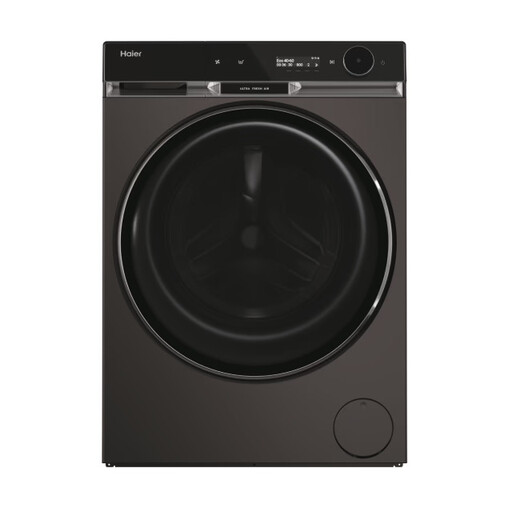 Image unavailable
Haier X Series 11 HW100-BD14397PGU1, 10 kg
Worth considering if you regularly put together large loads. The model name indicates a 10 kg capacity, 1 400 rpm spin speed and an A energy rating; check the manual for the permitted load on the programmes you usually use.
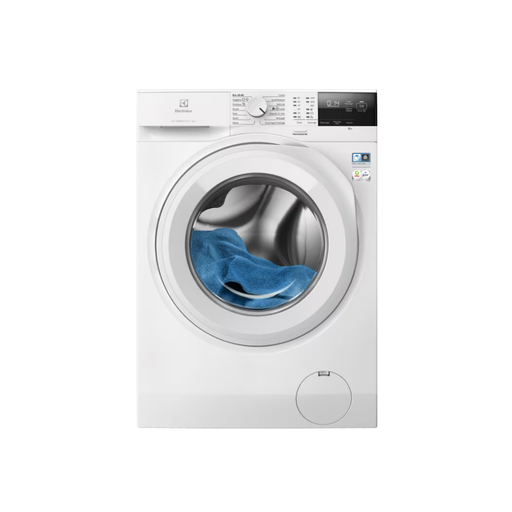 Image unavailable
Electrolux EW6FI4805AW, 8 kg
A capacity to consider if your loads don’t regularly require 10 kg. The model name indicates an 8 kg capacity, 1 400 rpm spin speed and SensiCare; check the manual for load limits for different fabrics.
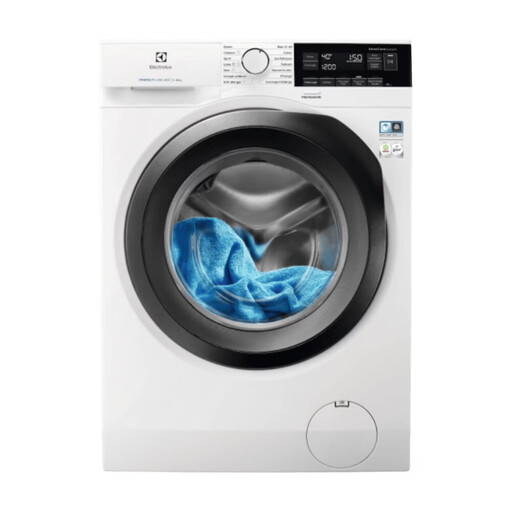 Image unavailable
Electrolux EW6F3811RC, 8 kg
Worth comparing if you often run loads of around 8 kg. The model name indicates a 1 400 rpm spin speed and a C energy rating; check its label to compare standardised energy use and its manual for programme load limits.
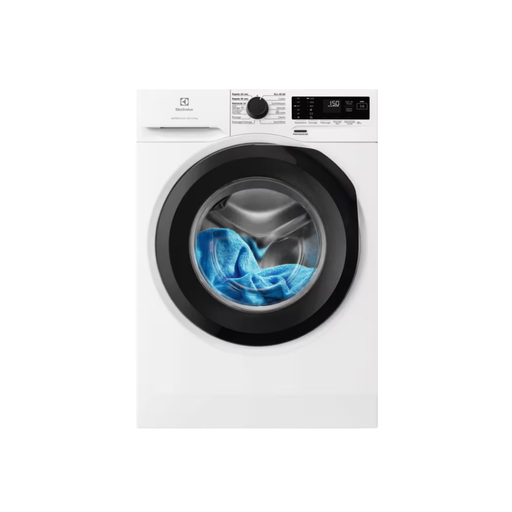 Image unavailable
Electrolux EWF1410N2, 10 kg
Worth considering if you often put together bulky loads. The model name indicates a 10 kg capacity and a TimeSave function; check the permitted loads for the cycles you use.
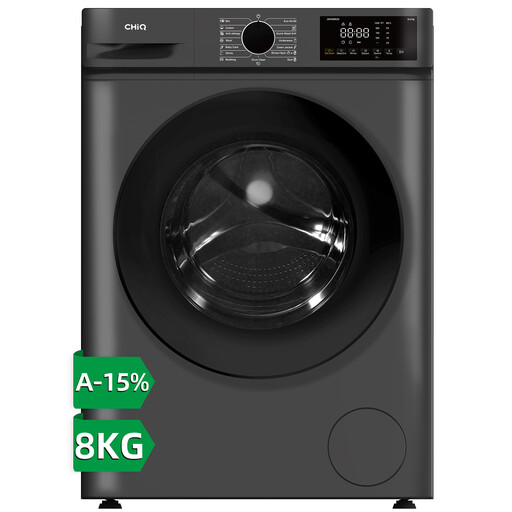 Image unavailable
CHiQ JW85883G, 8 kg
Worth considering if putting together 8 kg loads suits your laundry routine. The model name indicates a 1 400 rpm spin speed and 16 programmes; compare its energy use on the energy label and measure the space available for installation.
Frequently asked questions
Does the kg capacity apply to every programme?
No. The stated capacity refers to the weight of dry laundry; wool, synthetic and delicate programmes may have lower load limits. Check the table in the manual before planning your laundry.
What should you compare on the energy labels of two washing machines?
Compare the energy rating, kWh per 100 cycles, litres per cycle, programme duration and spin noise level. The European Commission links these standardised figures to the Eco 40-60 programme; your actual energy and water use will also depend on how you use the machine.
Can a washer-dryer dry the entire washing load?
Not necessarily: check both capacities. For example, LG France lists a 9 kg washing capacity and a 6 kg drying capacity for the F96400WHR; a larger washing load would need to be split before drying.
What is a washing machine durability index for?
It helps you assess repairability and reliability against the criteria that apply to eligible front-loading and top-loading washing machines in France. The French Ministry of the Economy says the index replaces the repairability index for these machines; check the details for the model rather than relying on its overall score alone.
How can you manage frequent laundry without running lots of half-loads?
Where the fabrics and care instructions allow, put together enough laundry to fill the drum adequately without stopping the clothes from moving freely. ADEME advises against half-loads, so choose a capacity that suits the loads your household can realistically put together.


