Households doing laundry regularly
If you wash clothes, bedding and towels every week, choose a drum capacity that matches your usual loads. ADEME advises against running multiple cycles with a drum that is only partly full.


Start by choosing a capacity that suits the loads you wash regularly. According to ADEME, 7 kg is usually enough, and there’s little benefit in having a large drum if you often run it only partly full. If you dry your laundry indoors, compare the spin efficiency rating too. To narrow down the models that fit your space, check their energy and water consumption, noise levels and durability rating.
If you wash clothes, bedding and towels every week, choose a drum capacity that matches your usual loads. ADEME advises against running multiple cycles with a drum that is only partly full.
The spin efficiency rating is particularly important when you need to dry laundry indoors. Check it on the energy label, and don’t forget to consider the noise during the spin cycle.
If you plan to keep your washing machine for a long time, check its water and electricity consumption, along with the durability rating for the model you’re considering. Also look for information about spare parts and after-sales service.
First, check the space available. A front-loading model needs room for the door to open in front of the machine, while a top-loading model needs clearance above it. Electro Dépôt presents top-loading machines as an option for narrow spaces; you can then compare the other criteria for each model.
| Criteria | What to check | Who is it for? |
|---|---|---|
| Capacity | Compare the capacity in kg with your usual loads, including bedding and towels. According to ADEME, 7 kg is usually enough. | When your loads vary from week to week, you want to avoid both extra cycles and drums that are often only partly full. Around 22% of consumers rank finding the right capacity as their top priority. |
| Spin performance | If you dry laundry indoors, check the spin efficiency rating on the energy label, followed by the noise level stated for this part of the cycle. | If you dry laundry at home, how much water it retains after washing becomes a key concern. Around 22% of consumers put spin performance ahead of other criteria. |
| Water and electricity | As advised by the European Commission for the energy label, compare kWh per 100 cycles, litres of water per cycle and the duration of the reference programme. | When I do laundry frequently, I want to compare each machine’s consumption on the same basis, without confusing these figures with my actual usage. Around 21% of consumers prioritise water and electricity consumption. |
| Durability | For a washing machine covered by the scheme and placed on sale in France since April 2025, look up the durability rating for the exact model and check how the score is made up. ADEME says it takes reliability and repairability into account. | When I plan to keep my appliance for a long time, I want to know how to assess its reliability and repair options. Around 21% of consumers make durability their top priority. |
| Noise | Compare the noise emissions and noise class shown on the label, particularly for the spin cycle. | Noise can matter more than other features if the machine is near a living area or other people are at home while you do the laundry. It is the main concern for around 14% of consumers. |
A large capacity won’t save you from extra cycles if you rarely fill the drum. ADEME recommends choosing based on the loads you actually wash rather than regularly running a drum that is only partly full.
Estimate the size of your usual laundry loads, then consider whether larger items mean you need a bigger capacity.
Two washing machines with the same energy rating can have different consumption figures and cycle times. The energy label lets you compare them using the same reference conditions.
For models that suit your laundry loads, also compare kWh per 100 cycles, litres of water per cycle and the duration of the stated programme.
The maximum speed in revolutions per minute is no substitute for the spin efficiency rating. This is particularly important if you dry your laundry indoors.
Check the spin efficiency rating on the label and consider the fabrics you wash, as well as the noise during this part of the cycle.
The durability rating provides information about reliability and repairability; it doesn’t guarantee that an appliance won’t break down. A repairability rating should not be mistaken for the durability rating either.
Check the rating for the exact model, the details behind its score, and the terms of the commercial warranty and after-sales service on offer.
This selection includes front-loading washing machines and one top-loading model. Start with the format that suits your space, then match the capacity to your usual laundry loads. For spin performance, consumption and durability, check the information for the exact model.
 Image unavailable
Worth considering if your regular loads call for an 8 kg capacity and there’s room for the door to open in front of the machine. The model name indicates a maximum spin speed of 1,400 rpm and an Inverter motor. Check the spin efficiency rating on the label, and make sure there’s enough space for the connections.
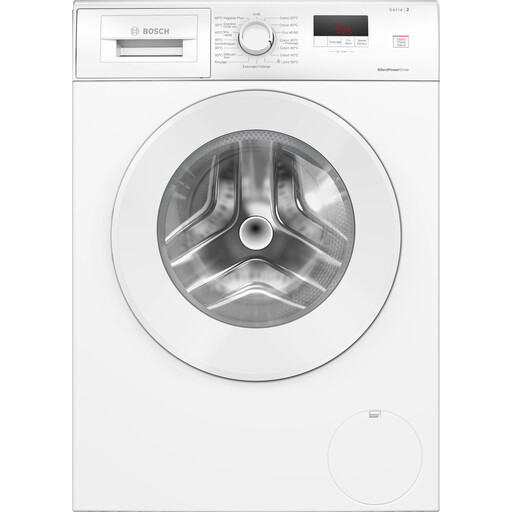 Image unavailable
Its 7 kg capacity is worth considering if it suits your usual loads. The model name indicates a 1,400 rpm spin speed and an A energy rating; compare the spin efficiency rating and consumption figures separately on the label. A repairability rating is not a substitute for the durability rating for this model.
 Image unavailable
A top-loading model may suit you if space is limited in width and there’s enough clearance to open the lid. The model name indicates a 7 kg capacity, 1,200 rpm spin speed and an A energy rating. Measure your space and check the spin-cycle noise level on the label.
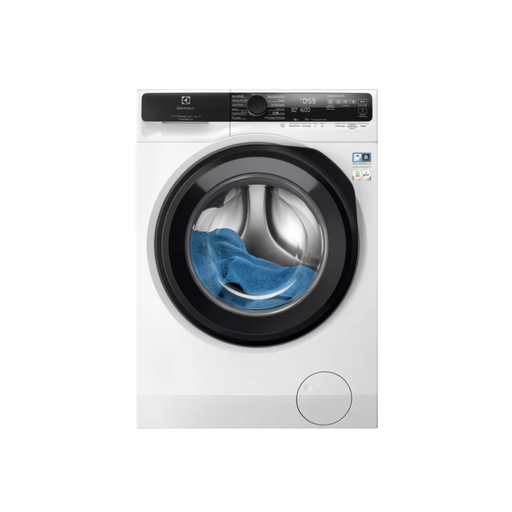 Image unavailable
Worth considering if you regularly have laundry loads large enough to fill its 9 kg capacity. The model name indicates a front-loading design and a maximum spin speed of 1,600 rpm, but the speed alone doesn’t tell you its spin efficiency rating. Check the label if you dry your laundry indoors.
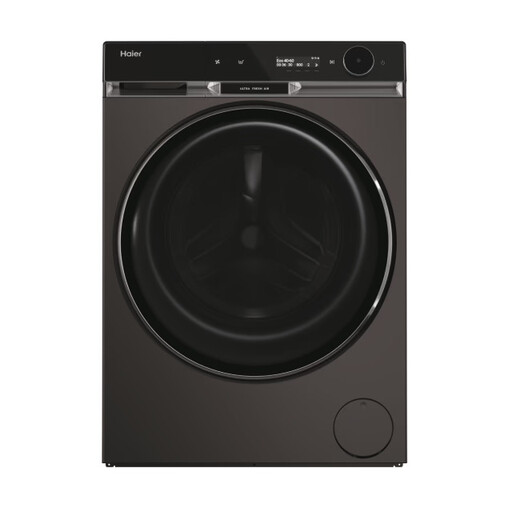 Image unavailable
Match the 10 kg capacity to the larger loads you actually wash, so you don’t often run the machine only partly full. The model name indicates a 1,400 rpm spin speed, an A energy rating and AutoDose. Before choosing, check the noise figures and the durability rating for the exact model.
Compare the energy rating, kWh per 100 cycles, litres of water per cycle, the duration of the reference programme and the noise information. The European Commission presents these figures as a way to compare machines; they won’t necessarily reflect the consumption of every programme you use.
For washing machines covered by the scheme and placed on sale in France since April 2025, look for the score out of 10 shown for the exact model, either in store or online. According to ADEME and the French ministry responsible for ecology, the rating covers reliability and repairability. Check the available details to understand the score.
No. It helps you compare reliability and repairability criteria, but it can’t predict how an individual appliance will perform in the future. Also check the commercial warranty terms and after-sales service options for the model you’re considering.
Check the details behind the durability rating and find out about the relevant parts for the exact model and its after-sales service arrangements. General information about parts doesn’t mean that every repair or part will be available on the same terms.
Measure the available width, allow space for the connections and, most importantly, make sure the lid can open fully. Electro Dépôt says that top-loading models are commonly around 40 to 45 cm wide. Only the dimensions and installation instructions for the model you choose can confirm whether it will fit in your home.