
Livraison le jour même ou le lendemain

Qualité garantie

Débloquez vos offres de bienvenue: Livraison GRATUITE | Jusqu'à -80 % | 30 jours d'essai gratuits à JoyPlus
Téléchargez l'application
Choosing a new washing machine can quickly become a headache. Between the hundreds of models, endless technical sheets, and the siren call of marketing, it's hard to know where to start. A poor choice isn't just a waste of money; it's a source of daily frustration. Our editorial mission is to help you see things more clearly. Let's break down the most common pitfalls together to make a truly smart purchase.
The 3 pitfalls to absolutely avoid when buying a washing machine:
To ensure you don't regret your purchase, focus on what truly impacts your daily life and your wallet.
The first criterion is the drum capacity, expressed in kilograms of dry laundry.
The front-loading washing machine (with a porthole door) is the most common standard. It can be slid under a worktop or have a tumble dryer stacked on top. The "top-loading" machine, which is narrower, is the king of small spaces but cannot be built-in.
The new energy label ranges from A (the best) to G (the worst). To decide between two A-rated models, the secret is to look at the kWh consumption per 100 cycles and the water consumption per cycle. The lower these numbers, the more you'll save.
Noise is the other essential criterion, especially if the machine sits in an open-plan kitchen. A quiet washing machine will invariably feature an induction (or Inverter) motor. Being brushless, these motors are much quieter (often under 73 dB during the spin cycle), but also more reliable and built to last.
Some innovations are not gimmicks and justify a bigger budget.
To move from theory to practice, here are a few models that tick all the right boxes and meet specific needs, steering clear of the pitfalls we've highlighted.
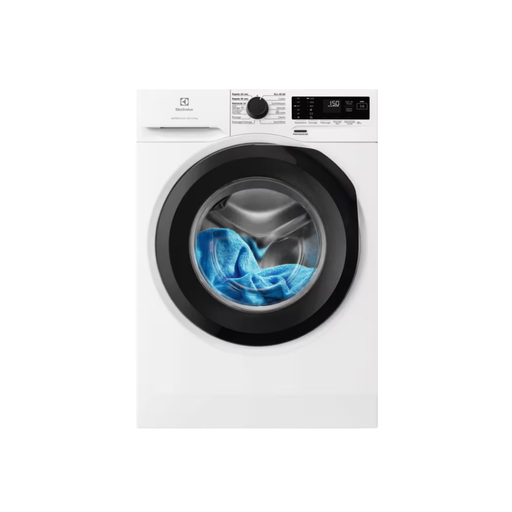
The lowdown: With its 10 kg drum, it handles the whole family's laundry without a problem. Its anti-allergy steam function is a real plus for sensitive skin and baby clothes, while the TimeSave option lets you shorten cycles when you're short on time.
It's not bluffing about its capacity. Its A energy rating and controlled water consumption (52 L/cycle) ensure that even extra-large loads remain economical without sending your bills sky-high.
Its ultra-effective anti-allergy steam wash program and its Inverter motor, a guarantee of quiet operation and longevity.
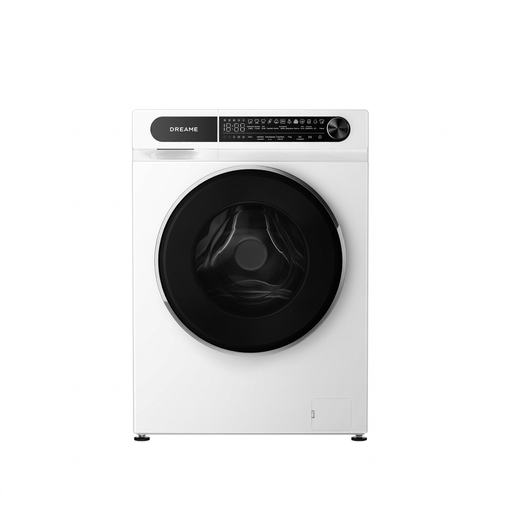
The lowdown: With its record-breaking depth of just 45 cm (450 mm), it's the miracle solution for apartments, studios, or cramped utility rooms. Despite its "slim" format, it offers a comfortable 8 kg capacity, perfect for a couple or a small family.
It shatters the myth that a small machine is less powerful. Its A rating, low water consumption (43 L/cycle), and quiet BLDC motor make it a powerhouse of efficiency, far from the usual stereotypes.
Its ultra-compact design (45 cm depth) and its BLDC motor, which combines quiet operation with energy efficiency.
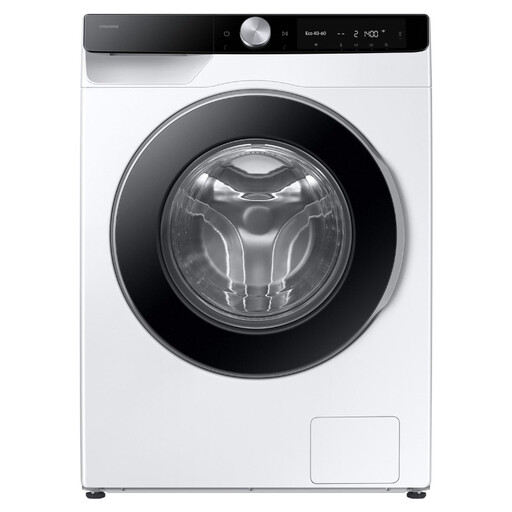
The lowdown: This 9 kg model is for those who want cutting-edge technology that's also good for the planet. Its A-10% energy rating, AI Energy mode (via the SmartThings app), and anti-microplastic cycle tick all the eco-responsibility boxes.
Here, intelligence isn't a gimmick. The AI Energy mode analyses your habits to actively optimise and reduce consumption. This connected washing machine proves its worth with real, measurable savings.
Its AI-powered energy optimisation (A-10% rating) and its pioneering program to reduce microplastic emissions.
Discover our full selection of washing machines, all chosen for their performance, reliability, and compliance with local standards.
You can expect an average of 7 to 10 years. Of course, this depends on the build quality (opt for more durable induction motors), your usage frequency, and maintenance. Regularly cleaning the filter and detergent drawer, along with occasional descaling, can significantly extend its life.
Yes, and the difference compared to an older model is huge. But to be a savvy consumer, don't just stop at the letter A. The real deciding factor is the "kWh/100 cycles" value on the energy label. The lower this number, the more efficient your machine is. An A-10% or A-20% model will make an even bigger difference on your bills.
Does your machine sound like a helicopter taking off during the spin cycle? This is almost always an installation issue. Here are the 3 points you must check: