You’re short on width
Your alcove is too narrow for a standard front-loader. Compare top-loading washing machines, checking the depth too and allowing enough height to open the lid, as recommended by UFC-Que Choisir when choosing a washing machine.


Measure the available width, depth and height, then check whether there’s enough room to open the lid or door and access the connections. A top-loading washing machine is usually best when width is limited, while a shallower front-loader can help if you’re short on space in front. A compact machine may suit an unusual alcove, but that doesn’t necessarily mean it’s designed to be built in. Also compare the usable capacity with your laundry needs and check the installation instructions for the exact model. If a standard front-loader fits, keep it on your shortlist.
Your alcove is too narrow for a standard front-loader. Compare top-loading washing machines, checking the depth too and allowing enough height to open the lid, as recommended by UFC-Que Choisir when choosing a washing machine.
There’s enough width, but the machine could jut out into the walkway. Compare the depth of each front-loader and check how much clearance you’ll need in front of the door.
Height and fitting the machine beneath a worktop can matter just as much as width. Check the difference between a freestanding compact machine and a model specifically designed to be built in.
Start by measuring the space and checking access to the machine. Then check the connections and the capacity you need for your laundry. UFC-Que Choisir highlights the importance of the machine’s size and installation, while the French National Consumer Institute points out that maximum loads vary by fabric and programme.
| What matters | What to check | Who it matters most to |
|---|---|---|
| Width and opening at the top | Measure the width and depth, then check the height needed to open the lid fully. | If my alcove is too narrow for a front-loader, I’m looking for a model that fits without blocking the lid. This is the top priority for around 28% of consumers. |
| Depth and space in front of the door | Compare the model’s depth, allow for the hoses and check the clearance needed to open the door. | If the machine would jut into the walkway, I’ll check that a shallower front-loader is still easy to access once installed. Depth is the top priority for around 22% of consumers. |
| Height and fitting | Measure the finished alcove and check whether the model is freestanding or specifically designed to be built in. | If a low cupboard or cabinet door creates restrictions, I’ll check that the model is suitable for this type of installation. Fitting or height comes first for around 17% of consumers. |
| Connections and access | Check the tap, drain and hose route, and consult the model’s instructions. | If the connections are difficult to reach, I’ll make sure I can fit and check the hoses without trapping them. This is the top priority for around 17% of consumers. |
| Usable capacity | Compare your usual loads with the load limits for the programmes you use. | To avoid running extra cycles or missing out on washing bulky items, I’ll compare the usable capacity with my household’s laundry needs. This is the top priority for around 16% of consumers. |
A top-loading machine can solve a lack of width, but you’ll still need to check its depth separately. The French National Consumer Institute says top-loading washing machines are generally close to 60 cm deep.
Measure the width and depth of the alcove, then allow enough space to open the lid.
The door, space in front of the machine and connections could still make installation or everyday use difficult.
Check the installation diagram for the exact model and make sure the door can open and the hoses are accessible.
A freestanding compact machine isn’t automatically designed to fit inside a cabinet. Haier and Candy product details distinguish between their freestanding Mini Drum models and the built-in CBW 27D1EJ-S.
Before choosing a machine for a fitted alcove, check the installation description and instructions for the exact model.
The French National Consumer Institute explains that the stated capacity is based on dry cotton; some programmes have a different load limit. Que Choisir also notes that a drum that’s too small can mean running more cycles.
Check the limits for the programmes you’ll use, especially if the compact model is replacing your main washing machine.
Its range includes top-loading, shallower front-loading and built-in models.
The Mini Drum HW50-BP12307U1 is presented as a compact, freestanding front-loader.
The range includes top-loading washing machines, worth comparing if loading from above solves your access constraints.
The WUU28T6MFR gives you a standard-sized front-loader to compare with other options.
The TDLR6253BFR is an example of a top-loader, but shouldn’t be taken as an indication of current availability.
This selection includes a portable mini washing machine and several machines with a stated capacity of 9 kg. If space is tight, compare each model’s dimensions, opening and connections with your alcove before choosing.
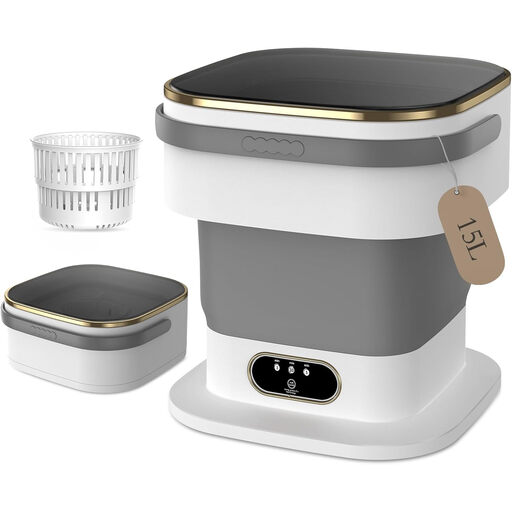 No image available
Its product title suggests it’s designed for smaller laundry items and mentions three wash modes and a spin basket. Check its capacity and programmes before considering it as a replacement for your main washing machine.
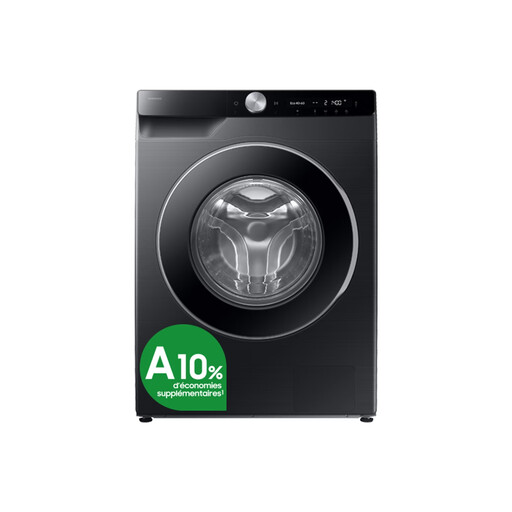 No image available
Worth comparing if your measurements allow you to install a model with a stated capacity of 9 kg. The product title lists a black finish and an A rating; check the dimensions and clearance required for your chosen space.
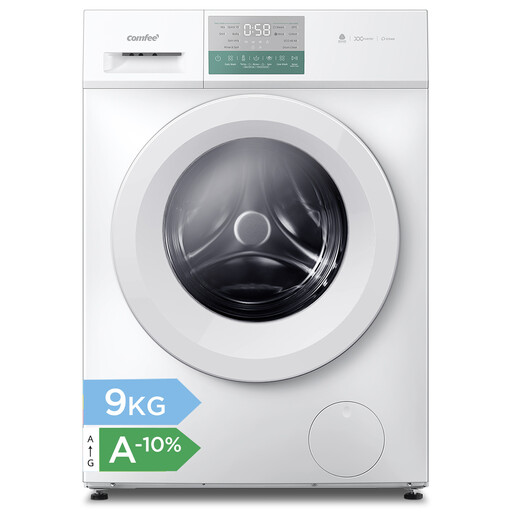 No image available
Consider this freestanding option only if the space and connections are suitable. The product title lists a 9 kg capacity, steam, a BLDC motor, wool and quick wash programmes; compare the model’s dimensions with those of your alcove.
 No image available
Compare this freestanding front-loader if your measurements leave enough room for the machine and to open the door. The product title lists a 9 kg capacity, 1,400 rpm and an A rating; check the depth and clearance required before making your choice.
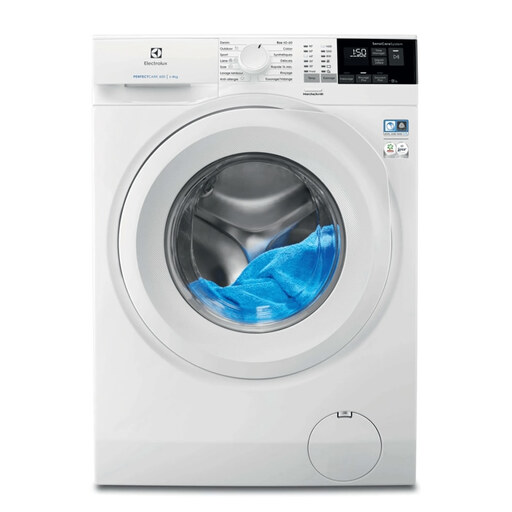
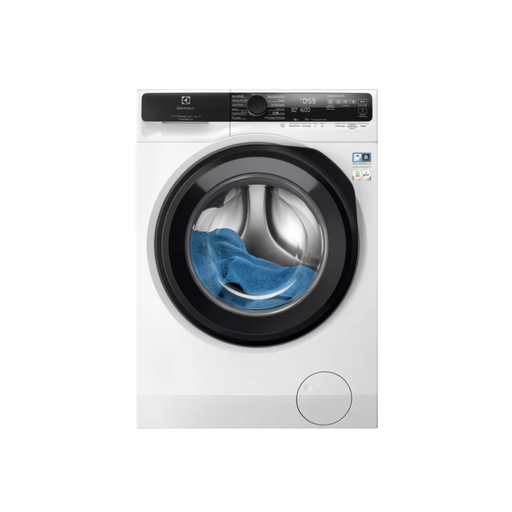 No image available
Worth comparing if your space can accommodate a front-loader with a stated capacity of 9 kg. The product title mentions 1,600 rpm, SteamCare, SmartSelect and connectivity; check the depth and actual clearance needed for your installation.
Measure the width, depth and height of the alcove, as well as the access route, the space needed to open the lid or door fully and the room needed to reach the connections. Then compare your measurements with the installation diagram for the exact model: catalogue dimensions alone aren’t enough to confirm it will fit.
Locate the tap and drain, then check the instructions for the hose routing and reach. Bosch notes that a kinked or trapped inlet hose can affect the water supply, while a kinked, blocked or overly inserted drain hose can prevent proper drainage. Have a professional assess any changes needed to your plumbing.
Not necessarily: compare its capacity with the loads and programmes you use. Haier lists a 5 kg capacity for the Mini Drum mentioned here, but the French National Consumer Institute points out that load limits vary by fabric and programme. Que Choisir describes 2 to 3 kg mini washing machines as better suited to occasional use, particularly for bulky items.
You need to be able to access a top-loader from above, and a fixed worktop will usually stop you opening it to load the machine. If you’re stacking it with a tumble dryer, check that both models and the stacking kit are compatible: matching widths alone aren’t enough to confirm this.
Whether it can be installed in a particular spot depends on the room’s layout and electrical circuit. If the alcove is in a bathroom or work is needed, ask a professional to check the plans and applicable requirements before installation.