How do the options compare?
Washer-dryer
Consider it: when you only have room for one appliance and can limit each wash to a load that can be dried in one go.
The trade-off: you may need to remove some laundry from a full wash load or dry it in more than one go.
Separate heat-pump tumble dryer
Consider it: if you have room for two appliances, side by side or stacked in line with their installation instructions, and often dry large loads.
The trade-off: you’ll need space for a second appliance. UFC-Que Choisir notes that heat-pump cycles can take longer than those of conventional appliances.
Washing machine and airer
Consider it: if you can temporarily use a suitable room for drying and want to avoid a second appliance.
The trade-off: laundry takes up space while it dries and releases moisture into the room. ADEME recommends good ventilation or extractor ventilation.
To choose between these options, first check what will actually fit in your home, then consider how much laundry you need to dry and the conditions required by the cycle or room.
| Criteria |
What to check |
Relevant considerations |
| Space |
Measure the space, the appliance depth and the clearance needed to open its door. If stacking two machines, check their installation instructions. |
I only have room for one appliance, where I need to wash and dry without blocking the way. Around 36% of consumers would prioritise a minimal footprint. |
| Drying capacity |
Compare the drying capacity in kg with your usual load, rather than looking only at the washing capacity. Check the cycle time too. |
When I wash sheets or towels, I don’t want to remove some of the laundry before drying it. Around 29% of consumers would prioritise drying a full load. |
| Energy and water use |
For a washer-dryer, distinguish the figures for washing alone from those for a full wash-and-dry cycle. For a separate tumble dryer, check the energy use and duration of the stated programme. |
If I often use machine drying, I want to know how much electricity is used and, for a washer-dryer, how much water the cycle uses. Around 21% of consumers would put energy and water use first. |
| Indoor humidity |
Before choosing an airer, make sure you have a large, well-ventilated room or one with extractor ventilation, in line with ADEME’s advice. |
In my home, drying laundry indoors shouldn’t allow moisture to build up in the room. Around 14% of consumers would put controlling humidity ahead of other criteria. |
Brands to consider
These examples of product ranges can help you interpret stated capacities; always check the specifications of the model you choose.
Bosch
In France, Bosch offers washer-dryers with separate washing and drying capacities.
- According to Bosch’s specifications for the WNG25402FR and WNC254A0FR, these models wash up to 10.5 kg but dry up to 6 kg in a continuous cycle.
- The advertised convenience features don’t change the drying capacity limit you need to follow to dry a full wash load without intervention.
LG
LG’s washer-dryers in France include models rated for 11 kg of washing and 6 kg of drying.
- LG’s specifications for the F164R51WRS clearly distinguish these two capacities, which helps you plan the size of a wash-and-dry load.
- A wash load that uses this model’s full washing capacity exceeds its drying capacity. Check the dimensions of the model you’re considering too.
Samsung
In France, Samsung lists washer-dryers in capacities such as 9/6 kg and 11/6 kg.
- These separate capacities make it easier to compare different washing loads while keeping the drying limit in mind.
- For a continuous cycle, size your wash load according to the second figure rather than the maximum washing capacity.
Miele
In France, Miele offers separate heat-pump tumble dryers with capacities of 7, 8 and 9 kg.
- These capacities are worth considering if your home has room for a separate tumble dryer.
- Compare energy use, cycle time and noise for the exact model using its label. You’ll also need to allow space for it.
Washer-dryers available on Joybuy
These appliances combine washing and drying in a single machine. Compare their drying capacity with your usual loads first, then check the dimensions and full-cycle figures before choosing.
 Image unavailable
Samsung WD10HG6U34BEU3, 10/6 kg washer-dryer
Combines both functions in one space, with wash loads for drying limited to 6 kg.
Stated capacities: 10 kg for washing and 6 kg for drying. Check the model’s label for the full-cycle figures that match your usage.
View on Joybuy
 Image unavailable
Samsung WD11DG6B85BEU3, 11/6 kg washer-dryer
Worth considering if you want to wash up to 11 kg in a washer-dryer, while keeping the load you plan to dry in one go to 6 kg.
Stated capacities: 11 kg for washing and 6 kg for drying. Confirm the exact model reference, dimensions and full-cycle figures on the product information and label for this appliance.
View on Joybuy
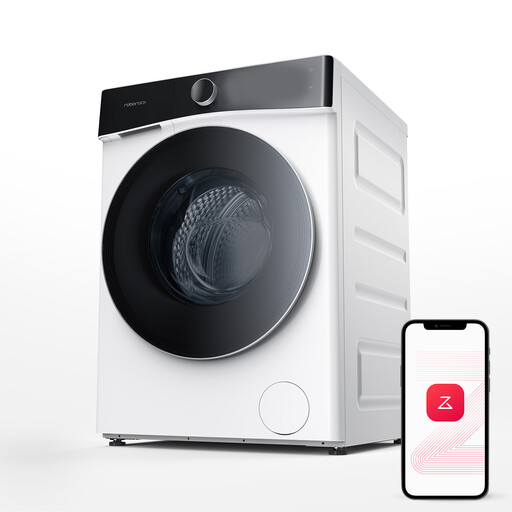 Image unavailable
Roborock Zeo Lite, white 10/6 kg washer-dryer
For washing and drying in one appliance when your loads for drying are no more than 6 kg.
Stated capacities: 10 kg for washing and 6 kg for drying. The product information also lists Zeo-Cycle, LintClear and app control. Check the dimensions and cycle figures before buying.
View on Joybuy
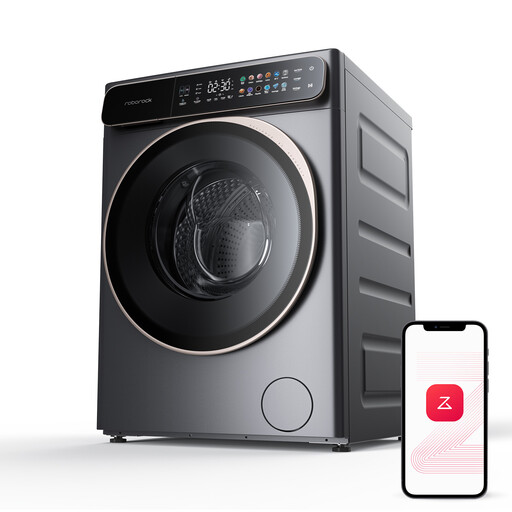 Image unavailable
Roborock Zeo One, grey 10/6 kg washer-dryer
For using a single space while planning for drying loads of no more than 6 kg, even though the stated washing capacity is up to 10 kg.
The product information lists Zeo-Cycle, LintClear and automatic dosing. Check the dimensions, as well as the energy use and cycle times for this model.
View on Joybuy
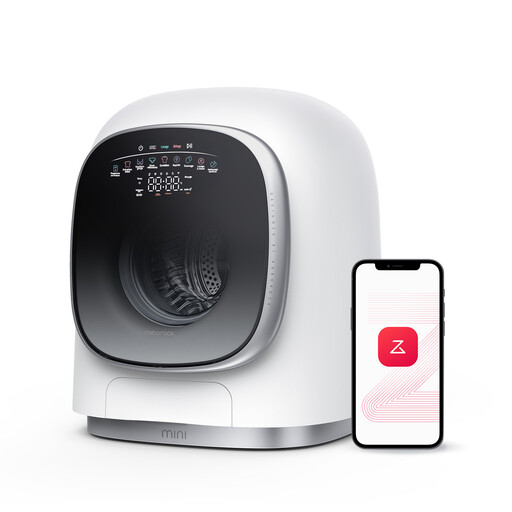 Image unavailable
Roborock Marshmallow Zeo Mini, white 1/0.5 kg washer-dryer
For very small loads only: its stated drying capacity of 0.5 kg won’t dry a typical household load in a single cycle.
Stated capacities: 1 kg for washing and 0.5 kg for drying. Check the dimensions, cycle figures and which cycle the energy rating shown applies to for this model.
View on Joybuy
Frequently asked questions
Why won’t an 11/6 kg washer-dryer dry 11 kg?
Because 11 kg is its washing capacity and 6 kg is its drying capacity. To run both functions one after the other without removing any laundry, keep the load within the drying capacity. Otherwise, dry some of it separately.
How can I avoid running several drying cycles with a washer-dryer?
Start with a wash load that doesn’t exceed its drying capacity. If you regularly need to wash larger loads, compare the space needed for a separate tumble dryer or plan another way to dry the extra laundry.
Which figures should I compare on the labels?
For a washer-dryer, distinguish the washing capacity and figures for washing alone from those for a full cycle. For a separate tumble dryer, compare the stated capacity, energy use, programme duration and noise levels of models that will fit in your home.
Does “condenser” mean “heat pump”?
No. The term “condenser” alone doesn’t tell you which heating technology the appliance uses. According to the European Commission, new domestic tumble dryers placed on the EU market from 1 July 2025 must use heat-pump technology. So check the exact technology listed, especially if the appliance is second-hand or older.
Can I dry laundry on an airer in a small, closed room?
ADEME doesn’t recommend this set-up for indoor drying, as it adds moisture to the room. Choose a large, well-ventilated room or one with an extractor vent, preferably humidity-controlled.


