Which criteria should you check?
When you only have space for one appliance, first make sure it will fit and work in the space available. Then consider the load you need to dry and the figures for the full cycle, rather than looking only at the washing capacity.
| What matters |
What to check |
Who this matters to |
| Fitting into the available space |
Compare the width, height and depth with the space available. Also measure the door opening and delivery route. |
If the machine has to fit into one specific nook, it must clear the access points and leave enough room for the door to open. Around 31% of consumers prioritise how well it fits. |
| Completing a cycle without removing laundry |
Compare your usual load with the wash-and-dry capacity in kg, which is different from the washing capacity alone. |
To start a wash and take your laundry out dry without having to intervene, the load must stay within the drying limit. This is the top priority for around 25% of consumers. |
| Cycle time and consumption |
For the full cycle, compare the duration, kWh per 100 cycles and litres of water per cycle on a like-for-like basis across models. |
If you use the dryer often, the time the machine is in use and its consumption are important factors. Around 25% of consumers put these considerations first. |
| Large loads |
Check the drying capacity in kg, then the depth of the model you’re considering. |
If you regularly need to dry large loads, you may have to split them, even if they fit in for washing. Drying capacity is the main concern for around 19% of consumers. |
Washer-dryers available on Joybuy
These appliances combine washing and drying in the same space. Their drying capacities range from very small loads to 6 kg. Compare them with your usual laundry loads before checking each model’s dimensions and full-cycle figures.
 Image unavailable
Samsung WD11DG6B85BEU3 — 11 kg / 6 kg
Worth considering if you wash loads of up to 11 kg but don’t need to dry more than 6 kg in one cycle. Check that this difference works for the way you do your laundry, then measure the space, door opening and access route.
View on Joybuy
 Image unavailable
Samsung WD10HG6U34BEU3 — 10 kg / 6 kg
For a continuous wash-and-dry cycle, keep the load to 6 kg or less, even though the stated washing capacity is 10 kg. Before choosing this model for a tight space, check its dimensions, the clearance needed in front of the door and the full-cycle figures.
View on Joybuy
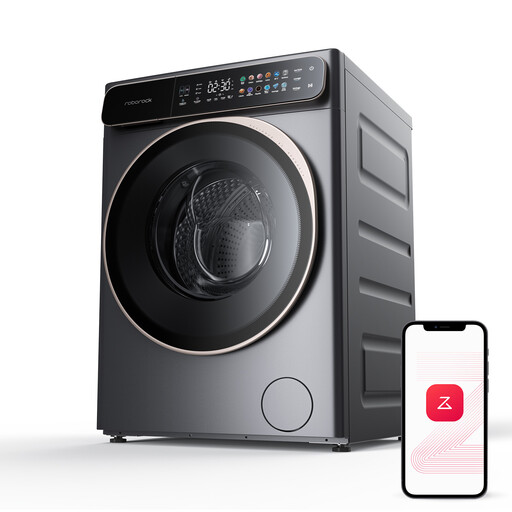 Image unavailable
Grey Roborock Zeo One — 10 kg / 6 kg
This model combines both functions if a 6 kg drying capacity is enough for the loads you want to take out dry. Its stated washing capacity is 10 kg. Before choosing it for your space, check its dimensions and the water, energy and duration figures for the full cycle.
View on Joybuy
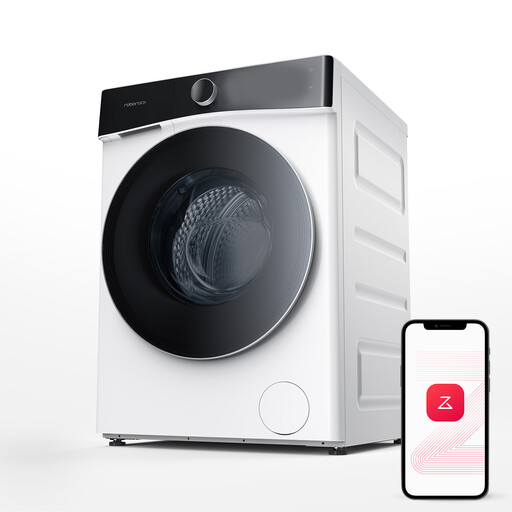 Image unavailable
White Roborock Zeo Lite — 10 kg / 6 kg
If you want to wash and then dry in the same appliance, use the 6 kg limit for a continuous cycle as your guide, rather than the 10 kg washing capacity. The model name mentions app control and the LintClear system; check the dimensions and full-cycle figures separately.
View on Joybuy
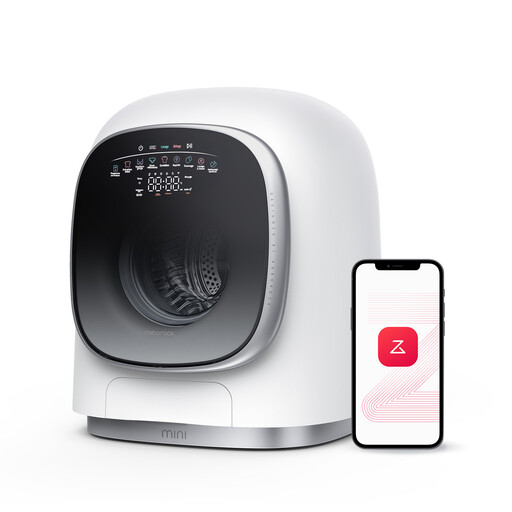 Image unavailable
White Roborock Marshmallow Zeo Mini — 1 kg / 0.5 kg
This model is only suitable as your sole appliance if very small loads are enough: it has a stated washing capacity of 1 kg and a drying capacity of 0.5 kg. Check its dimensions and full-cycle figures, rather than assuming it will fit because it’s called “Mini”.
View on Joybuy
Frequently asked questions
Why does a washer-dryer show two capacities in kg?
The first figure is the washing capacity and the second is the amount of laundry the appliance can dry. If you want to run both stages without removing laundry in between, go by the second figure: on a 9/6 kg model, the full-cycle load must not exceed 6 kg.
Which figures should I compare if I plan to dry laundry often?
Compare the figures for the full wash-and-dry cycle: energy class, energy use per 100 cycles, water per cycle and duration. The European Commission lists these separately from the figures for washing alone, so check the values for each model you’re considering.
What should I measure before placing an order?
Measure the width, height and depth of the space, the clearance needed to open the door and every access point on the way to the room. Samsung advises checking doors, corridors and lifts to make sure the packaged appliance can get through.
What should I do if the appliance delivered doesn’t match its description?
In France, the statutory legal guarantee of conformity applies to goods sold by a trader to a consumer, including when an item doesn’t match its description, as explained by the Directorate General for Competition Policy, Consumer Affairs and Fraud Control. Report the discrepancy to the seller. This remedy for non-conformity is separate from returning an item because you’ve changed your mind.


