If you mainly air-dry your laundry, start by choosing a washing machine with spin settings suited to your fabrics and routine. A washer-dryer saves you from transferring laundry between two appliances, but its drying capacity is lower than its washing capacity, as Bosch points out. If you regularly dry one load while washing another, two separate appliances let you do both at once. You can stack them, provided you have a compatible stacking kit and a suitable space.
Which option is right for you?
Households that mainly use an airer
If drying is a separate step in your routine, check the washing machine’s spin settings against the fabrics you wash. The moisture left in clothes after spinning affects drying, but spin speed alone won’t tell you how long they’ll take to dry.
People living in smaller homes
A washer-dryer combines washing and drying in one appliance. It’s a better fit if your loads are within its drying capacity, which is generally lower than its washing capacity, according to Bosch.
Households that often use a tumble dryer
With two separate appliances, you can start a wash while another load is drying. If you’re short on floor space, you could stack them, as long as you check the dimensions and make sure the stacking kit is compatible with both models.
What should you compare before choosing?
Start with the amount of laundry you actually dry, then consider how each option fits your space and the way you run your washing.
| What to compare |
What to check |
Think about your needs |
| Spin cycle |
Compare the maximum spin speed in tr/min and the settings available on the programmes you use. Follow the care instructions for your fabrics; the maximum speed won’t tell you how long laundry will take to dry on an airer. |
I mainly air-dry my laundry and want to take account of how much water remains after spinning, without necessarily buying an appliance with a drying function. |
| Drying load |
For a washer-dryer, check the washing and drying capacities separately, in kg. Bosch says the drying capacity is lower than the washing capacity. For example, Electrolux lists a 10 kg washing capacity and a 6 kg drying capacity for its EW9W1165RB. |
If I wash more than the drying capacity, I’ll need to remove some laundry before starting the drying cycle. |
| Running cycles back to back |
Check whether your planned load can go through a wash-and-dry cycle without intervention. With two appliances, compare their respective capacities and consider whether you can wash one load while another dries. |
I’d rather use one appliance to avoid transferring laundry, or have two independent drums when I often need to run consecutive loads. |
| Cycle and energy label |
For a washer-dryer, distinguish the figures for washing alone from those for the full wash-and-dry cycle on the energy label and product specifications. Also compare the duration of the cycle you plan to use. |
I want to assess the combined use as I’ll actually use it, rather than relying only on the figures for washing alone. |
| Space and installation |
Measure the space, access points and connections. If stacking the appliances, check that the kit is compatible with both models and their dimensions. Ask a professional to check the electrical installation if you’re unsure whether it’s suitable. |
Floor space is limited, but I’d like to keep two appliances. Stacking is only an option if the appliances, kit and space are suitable. |
What mistakes should you avoid?
-
Comparing washing capacity alone
A washer-dryer won’t necessarily dry a full washing load. For example, Electrolux lists a 10 kg washing capacity and a 6 kg drying capacity for the EW9W1165RB.
First, compare the drying capacity with the size of your usual load. If it’s too small, plan to remove or split the laundry after washing.
-
Assuming spin speed tells you how long drying will take
Residual moisture after spinning affects drying, but fabrics, load size and drying conditions also play a part. So a stated spin speed doesn’t guarantee a particular number of hours.
Check the settings available on the programmes you’ll use and follow your fabrics’ care instructions, rather than choosing based on the maximum spin speed alone.
-
Stacking two appliances without checking the kit
Kit compatibility depends on the appliances and their dimensions. For example, Electrolux specifies a depth range of 47 to 60 cm for one of its kits for front-loading appliances. This won’t apply to every model.
Note down the model numbers and dimensions of both appliances, then check the manufacturer’s instructions to choose a kit listed as compatible.
Allow for the kit and installation when planning your stacked setup.
-
Assuming the space is suitable without checking
A second appliance, or an installation in a bathroom, may require specific checks on the power supply and location. Promotelec highlights the need for dedicated circuits and, for a washing machine in a bathroom, earthing, residual-current protection and safe zones.
Before choosing your appliances, ask a qualified professional to check the existing installation if you can’t confirm these points yourself.
Which brands should you consider for each option?
These ranges offer options to compare across different setups. Check the capacity and compatibility of each specific model.
Bosch
Bosch offers washer-dryers as well as separate washing machines and tumble dryers, so you can explore both setups within its range.
- Bosch states that a washer-dryer’s drying capacity is lower than its washing capacity.
- Compare the two capacities and the dimensions of your chosen model. Don’t assume that one model’s specifications apply to the whole range.
Electrolux
Electrolux offers heat-pump washer-dryers and accessories for certain stacked installations.
- Electrolux lists a 10 kg washing capacity and a 6 kg drying capacity for its EW9W1165RB model.
- Stacking-kit compatibility information applies to the appliances and dimensions specified by Electrolux, not every combination of brands.
LG
LG offers washer-dryers for households looking to combine both functions in one appliance.
- The LG range includes a model listed with a 9 kg washing capacity and a 6 kg drying capacity.
- Check the capacity and features of the exact model before planning to run a cycle without transferring laundry.
Miele
Miele offers 7, 8 and 9 kg heat-pump tumble dryers to consider if you opt for two separate appliances.
- Where possible, Miele recommends choosing a tumble dryer with the same capacity as your washing machine.
- Consider this recommendation alongside the amount of laundry you actually dry and the space you have available.
Joybuy options for two ways to dry your laundry
These models are suited either to washing followed by air-drying on an airer, or to washing and drying in one appliance. If you’re considering two separate appliances, assess this option separately based on your loads, available space and installation requirements.
 Image unavailable
Samsung WD11DG6B85BEU3, 11/6 kg washer-dryer
Combines washing and drying in one appliance, provided your drying load is no more than 6 kg. The model is listed with an 11 kg washing capacity, so you’ll need to reduce a full washing load before drying it.
View on Joybuy
 Image unavailable
Samsung WD10HG6U34BEU3, 10/6 kg washer-dryer
A combined option if you’d like to avoid transferring laundry between machines. It’s listed with a 10 kg washing capacity and a 6 kg drying capacity. Compare the latter with your usual load and check the specifications for the full cycle.
View on Joybuy
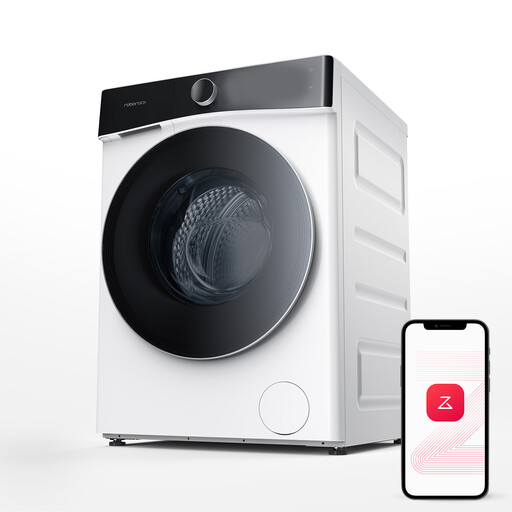 Image unavailable
Roborock Zeo Lite Zeo-Cycle, 10/6 kg washer-dryer
This combined model is listed with a 10 kg washing capacity and a 6 kg drying capacity. If you plan to run both cycles without removing any laundry, size your load to the 6 kg drying capacity. Also check the dimensions and full-cycle specifications to make sure it suits your space and needs.
View on Joybuy
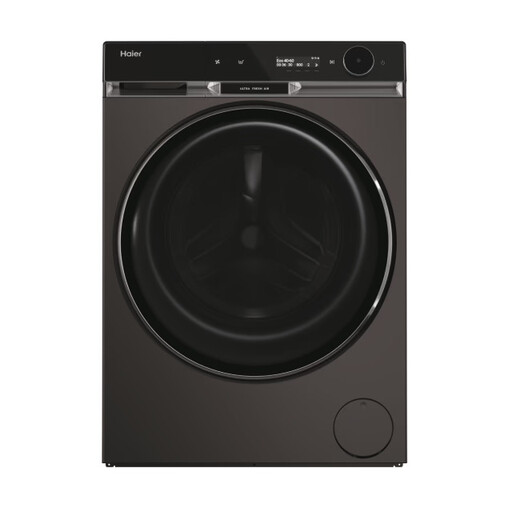 Image unavailable
Haier X Series 11 HW100-BD14397PGU1, 10 kg, 1 400 tr/min
A washing machine to consider if you plan to air-dry your laundry or use a separate tumble dryer. It’s listed with a 10 kg capacity and a maximum spin speed of 1 400 tr/min. Check the settings on the programmes suited to your fabrics, and don’t use the spin speed alone to estimate air-drying time.
View on Joybuy
 Image unavailable
Candy ProWash 500 TCA464TM4-S, top-loading, 6 kg, 1 400 tr/min
This top-loading washing machine suits a routine where washing is followed by separate drying. It’s listed with a 6 kg capacity and a maximum spin speed of 1 400 tr/min. Check how much room you’ll need to open the lid, along with the spin speeds available on the programmes you plan to use.
View on Joybuy
Frequently asked questions
Can a washer-dryer dry the full load it has just washed?
Not if the load is larger than its drying capacity. Bosch says this capacity is lower than the washing capacity. For example, Electrolux lists a 10 kg washing capacity and a 6 kg drying capacity for the EW9W1165RB. Compare the two figures and remove some laundry after washing if needed.
What should I compare on a washer-dryer’s energy label?
Look separately at the figures for washing alone and those for the full wash-and-dry cycle. This lets you compare the figures that match the way you plan to use the appliance, rather than treating the washing-only results as if they covered both stages.
Can you stack any washing machine and tumble dryer?
No. Only use a kit listed as compatible with the model numbers and dimensions of both appliances. For one of its kits, Electrolux specifies compatibility with front-loading appliances that are 47 to 60 cm deep. This doesn’t guarantee compatibility with other combinations.
What should you check before installing a washing machine in a bathroom?
Have the location and power supply checked before installation. For a washing machine in a bathroom, Promotelec highlights earthing, 30 mA residual-current protection and the appliance’s position in relation to the safety zones. A qualified professional can assess these points in the room where you plan to install it.
Does a condenser tumble dryer need a water connection?
How water is collected or drained depends on the model. Electrolux offers accessories that can direct condensed water to a nearby drain on compatible appliances. Check the manual for your chosen model to find out how the water is collected and which connections are possible.


