Which features should you compare?
Start with your main constraint — drying clothes on an airer, getting through loads of laundry, keeping electricity use down or finding space — before comparing appliance specifications.
| Your concern |
What to check |
Who is this for? |
| Time on the airer and ventilation |
Spin efficiency rating and noise level; whether you can dry clothes in a well-ventilated room. |
If clothes mainly dry in a living space, reducing the amount of water left in them after spinning becomes the priority. Around 36% of consumers put this need first. |
| Getting through loads of laundry |
Drying capacity in kg, which is separate from washing capacity; programme duration for the load you plan to dry. |
With frequent loads, waiting for a drying cycle to finish before freeing up the space can make laundry harder to organise. This is the main concern for around 29% of consumers. |
| Electricity use |
Consumption figures for the programme you want to compare; the washing machine's spin efficiency. |
If you dry clothes electrically on a regular basis, the cycle's energy use matters just as much as having a suitable programme. Around 21% of consumers put electricity use first. |
| Space and installation |
Dimensions and clearances specified in the manual; air outlet or condensate management, depending on the technology. |
If there isn't room for two appliances or a large airer, installation requirements will determine which options are suitable. This is the top priority for around 14% of consumers. |
If you're drying clothes indoors, Anses recommends using a well-ventilated room. If you're considering a tumble dryer, Que Choisir distinguishes heat pump models, which generally use less electricity, from technologies that generally dry clothes more quickly. Compare the programme specifications and installation requirements for the specific model.
Appliances to compare on Joybuy
These models suit two different needs: combining washing and drying in one appliance, or adding a heat pump tumble dryer for separate drying. If you plan to stick with an airer, compare your washing machine's spin performance and the room's ventilation instead.
 Image unavailable
Samsung WD11DG6B85BEU3 — 11 kg washing, 6 kg drying
Worth considering if you want to wash and dry with one appliance. The listed capacities are 11 kg for washing and 6 kg for drying, so a full washing load will need to be reduced or split before drying. Also check the dimensions and connections for your intended space.
View on Joybuy
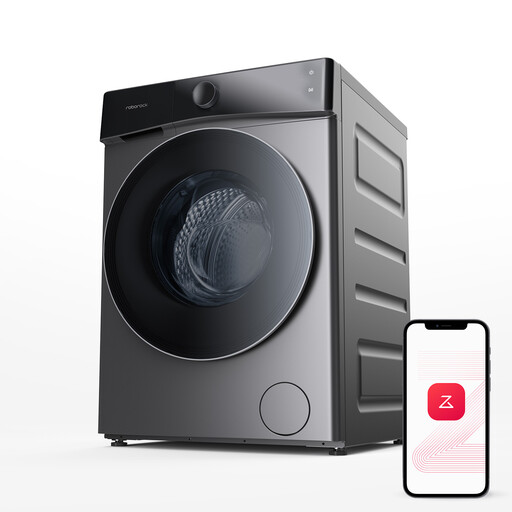 Image unavailable
Grey Roborock Zeo Lite — 10 kg washing, 6 kg drying
This washer-dryer is designed for homes with space for just one appliance. Its name lists a 10 kg washing capacity, a 6 kg drying capacity and 27 washing programmes. Compare the duration and energy use of the full cycle, as well as the dimensions, before choosing.
View on Joybuy
 Image unavailable
Hotpoint CHD84MWBSEE — 8 kg heat pump tumble dryer
Worth comparing if you have space for a separate tumble dryer and regularly have clothes to dry. The product name lists an 8 kg capacity and energy class C. Check the dimensions, programme duration and how condensate is managed to make sure it suits your installation.
View on Joybuy
 Image unavailable
Samsung WD10HG6U34BEU3 — 10 kg washing, 6 kg drying
This washer-dryer is worth considering when washing and drying need to share one space. Its product name lists 10 kg for washing, 6 kg for drying and a D energy rating. Plan loads around the drying capacity and compare the figures for a full wash-and-dry cycle.
View on Joybuy
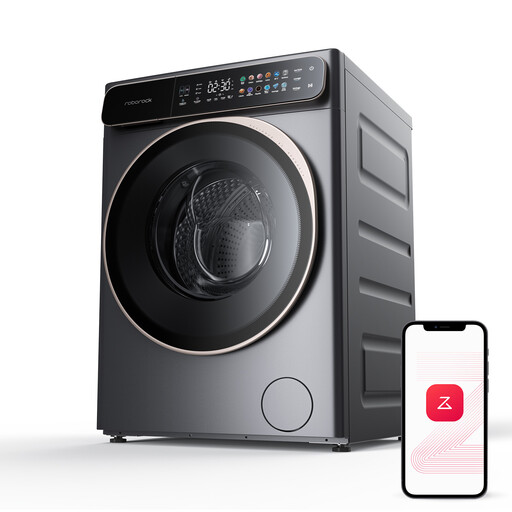 Image unavailable
Grey Roborock Zeo One — 10 kg washing, 6 kg drying
Worth considering if you'd prefer a washer-dryer to two separate appliances. The product name lists a 10 kg washing capacity and a 6 kg drying capacity, so this difference matters when planning your loads. Check the dimensions and full-cycle specifications before choosing this model.
View on Joybuy
Frequently asked questions
Can a vented tumble dryer work without an outlet to the outside?
According to Que Choisir, a vented tumble dryer needs an outlet to the outside or a ventilation duct. A condenser model doesn't need this air outlet, but check its manual to see how to manage the condensed water and what installation conditions to follow.
What needs cleaning on a heat pump tumble dryer?
Maintenance tasks vary by model. Electrolux support advises cleaning the lint filter after every cycle on the relevant appliances and checking the accessible condenser as instructed. Consult the manual for the model you've chosen to find out exactly what to do.
Can you regularly dry clothes in a poorly ventilated room?
It's best to check the ventilation before making an airer your main drying solution in that room. Anses recommends drying clothes outdoors if possible, or in a well-ventilated room. It also warns that dampness can encourage mould.
How does the energy label help you compare appliances?
As ADEME points out, it lets you check the specifications of the particular model rather than judging its energy use by the brand or technology alone. For a washer-dryer, compare the information for the washing cycle and the full wash-and-dry cycle.


