Just one floor space
In a studio flat or small bathroom, you may not have room to put two appliances side by side. A washer-dryer combo takes up one space; a stack does too, provided you have enough headroom and the appliances are compatible.


If you have enough headroom and can confirm that the appliances and stacking kit are compatible, a washer-dryer stack lets you keep a separate washing machine and tumble dryer in the same floor space. If you can only fit one appliance, a washer-dryer combo avoids the need to stack, but its drying capacity is lower than its washing capacity. A compact model is only suitable if its dimensions and capacity meet your usual laundry needs.
In a studio flat or small bathroom, you may not have room to put two appliances side by side. A washer-dryer combo takes up one space; a stack does too, provided you have enough headroom and the appliances are compatible.
If you often dry most of each wash, compare the capacity of a separate tumble dryer with that of a washer-dryer combo. Que Choisir points out that a combo’s drying capacity is lower than its washing capacity.
If width, depth or height limits your options, measure the space and the appliance, and allow room to open the door and reach the connections. With a compact machine, also check that its drying capacity is sufficient for your needs.
Consider this if: you have enough headroom and want a separate tumble dryer for your usual laundry loads.
The trade-off: according to Que Choisir, stacking requires two front-loading appliances of similar dimensions. Check the manuals to confirm that the appliances and kit are compatible.
Consider this if: you have space for one machine but not enough headroom for a stack.
The trade-off: according to Que Choisir, drying capacity is lower than washing capacity, so you’ll need to reduce a larger wash load before drying.
Once you’ve decided between a stack and a two-in-one appliance, check whether a shallower or compact model really suits the room dimensions and the amount of laundry you need to wash and dry.
| Consideration | What to check | Think about your needs |
|---|---|---|
| Available space | Compare the appliance’s width, depth and height with the space available. Allow room to open the door and reach the connections. | I have a narrow recess: a machine that fits must also be easy to load and connect. |
| Drying capacity | Compare washing and drying capacities separately. For a stack, choose a tumble dryer with a capacity suited to your usual loads. | I want to dry a full wash without removing some of the laundry, so drying capacity matters just as much as washing capacity. |
| Energy and water use | For a washer-dryer combo, distinguish the Eco 40-60 wash figures from those for a full wash-and-dry cycle. Compare water and electricity use for the cycles you’ll use. | If I often use the machine to dry laundry, the wash-only figures don’t reflect my full usage. |
| Stack compatibility | According to Que Choisir, both appliances must be front-loading and similar in size. Check their model numbers, manuals and the stacking kit; place the tumble dryer on top. | I want to make use of the available height without assuming that two appliances of a similar width can be stacked. |
| Installation in a bathroom | Check the location of the shower or bath, sockets and connections. In France, have the space and electrical circuit checked if you’re unsure they’re suitable. | The only free space I have is in the bathroom: the dimensions alone aren’t enough to confirm that the appliance can be installed there. |
A depth range listed for a kit doesn’t guarantee that it will work with every pair of appliances in that size range.
Note down the exact model numbers of the washing machine and tumble dryer, then check the manuals and the kit manufacturer’s guidance before choosing one.
According to Que Choisir, a washer-dryer combo can dry less laundry than it can wash. If a load exceeds its drying capacity, you’ll need to remove some items or split the drying load.
Compare your usual load with the model’s stated drying capacity, not just its washing capacity.
Eco 40-60 programme figures don’t describe a complete cycle when you also use the drying function.
For each washer-dryer combo you’re considering, check the water and electricity use for wash-only and wash-and-dry cycles separately.
The proximity of water and the electrical set-up make the location just as important as the appliance’s dimensions. Promotelec, for example, recommends 30 mA high-sensitivity residual current protection for bathroom circuits.
Check the location of the shower or bath, sockets and connections. If you’re unsure about the existing installation, ask a qualified professional for advice before buying.
The brand’s stacking kits offer useful points of comparison when planning a stack of two front-loading appliances.
Bosch washer-dryer product specifications let you compare the capacity of each function.
The HWD50-BP12307U1 is an example of a washer-dryer combo to consider when space is limited in more than one dimension.
The B5DFT51044DOS product specifications let you look at wash-only and full wash-and-dry cycles separately.
The ProWash 500 BR 48SBL10-47 is an example of a front-loading washing machine to consider when depth is limited.
These models combine washing and drying in a single appliance, making them worth considering if a stack isn’t suitable. Focus on how their drying capacity compares with your usual loads and whether their dimensions fit the space. The Zeo Mini is designed for much smaller loads.
 Image unavailable
This washer-dryer combo is designed for anyone who needs one appliance to wash and dry. Its stated capacity is 10 kg for washing and 6 kg for drying. Check that 6 kg is enough for the loads you want to dry without splitting them.
Before choosing a location, check the dimensions, door clearance and access to the connections.
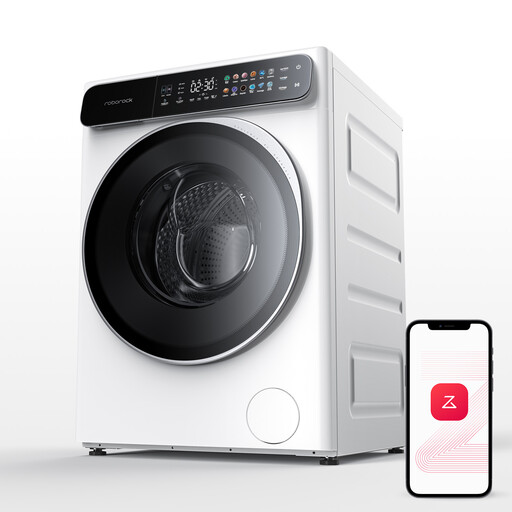 Image unavailable
This washer-dryer combo takes up one space for both washing and drying. Its stated capacities are 10 kg for washing and 6 kg for drying, so a wash load of more than 6 kg will need to be reduced before drying in the appliance.
The product title mentions Zeo-Cycle drying, the LintClear system and automatic dosing. Check the dimensions and full-cycle figures to see if they suit your needs.
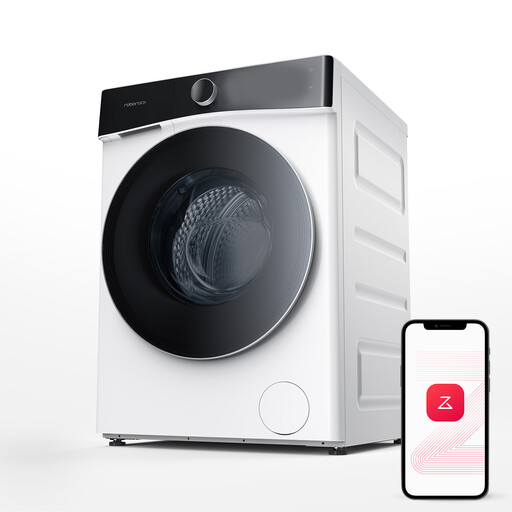 Image unavailable
The Zeo Lite combines washing and drying in one appliance, with a stated capacity of 10 kg for washing and 6 kg for drying. Compare the latter figure with the amount you expect to dry in one go.
The product title mentions Zeo-Cycle, app control and LintClear. If you’re placing it in a recess, check its dimensions and allow room to open the door before choosing this model.
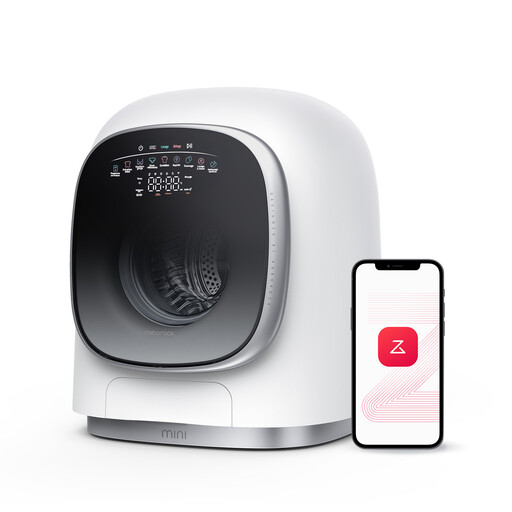 Image unavailable
This washer-dryer combo is worth considering for very small loads, with a stated capacity of 1 kg for washing and 0.5 kg for drying. These capacities won’t suit the same amount of laundry as the other models featured here.
The product title mentions low-temperature Zeo-Cycle drying and the LintClear system. Check the exact dimensions and the connections required for your chosen location.
No. According to Que Choisir, both appliances must be front-loading and similar in size, with the tumble dryer on top of the washing machine. Check the exact model numbers in the appliance and kit manuals too: a stated depth range isn’t enough to confirm that a particular pair is compatible.
Not if the load exceeds its drying capacity. Que Choisir says that drying capacity is lower than washing capacity, so compare both figures for the model and be prepared to remove some laundry if necessary.
Compare the figures for the cycle you’ll use: an Eco 40-60 wash and a full wash-and-dry cycle are different types of use. Check each model’s water and electricity figures for the same type of cycle, rather than comparing wash-only figures with figures that include drying.
A condenser tumble dryer, including a heat-pump model, doesn’t need a vent leading outside. Still, check the model’s installation requirements and make sure there’s enough room to access and maintain it.
Check the location in relation to the shower or bath, as well as the existing electrical installation. Promotelec, for example, recommends 30 mA high-sensitivity residual current protection for bathroom circuits. If you’re unsure whether the location or circuit is suitable, ask a qualified electrician for advice before buying or installing the appliance.