Households without room for two appliances
You need to wash and dry your clothes but can’t fit both a washing machine and a tumble dryer. A washer-dryer is worth considering, but check that its drying capacity suits the loads you want to dry.


If you only have room for one appliance, a washer-dryer combines washing and drying in one machine, provided the load you want to dry is within its drying capacity. According to UFC-Que Choisir, this is often lower than the washing capacity. If you regularly dry large loads, consider two appliances if you can install them. And if you have a suitable space to hang your washing, air-drying avoids the need for a second appliance, but takes time and requires you to manage moisture.
You need to wash and dry your clothes but can’t fit both a washing machine and a tumble dryer. A washer-dryer is worth considering, but check that its drying capacity suits the loads you want to dry.
If you often dry bedding or large loads, compare the drying capacity and the duration of a full cycle with the space you’d need to install two separate appliances.
If you have a suitable spot for an airer, you could stick with a washing machine alone. For indoor drying, ADEME recommends using a large, well-ventilated room or one with suitable extraction to manage moisture.
Consider this if: you can only install one appliance and the load you want to dry is within the stated capacity.
Bear in mind: drying capacity is generally lower than washing capacity, as UFC-Que Choisir points out. You may need to split a full wash load before drying it.
Consider this if: you often dry large loads and can make room for two appliances or install a compatible stacking set-up.
Bear in mind: stacking appliances means checking that both machines and the stacking kit are compatible; similar dimensions alone aren’t enough.
Consider this if: you have a genuinely suitable space for drying clothes and can wait for them to dry.
Bear in mind: drying clothes indoors adds moisture to the air. ADEME recommends a large, well-ventilated room or suitable extraction.
When choosing between these options in a home where space is limited, start with your main constraint. Then check the features that match how you plan to dry your washing.
| Factor | What to check | Who is this relevant to? |
|---|---|---|
| Space required | Measure the overall depth, door clearance and the space specified in the manual, not just the width of the front panel. | If I only have room for one appliance, I want to combine washing and drying without blocking access to the door; around 36% of consumers would prioritise this. |
| Drying capacity | Compare the washing and drying capacities in kg, then check the maximum load for the continuous wash-and-dry programme you plan to use. | If I regularly dry large loads, I want to know whether I’ll have to remove some clothes between the two stages; this would be the top consideration for around 29% of consumers. |
| Cycle time and consumption | Check the cycle duration, kWh per 100 cycles and litres per cycle for wash-and-dry, separately from the figures for washing alone. | If I run several loads, I need to know how long the drum will be occupied and check the consumption for the cycle I choose; around 21% of consumers would prioritise this trade-off. |
| Installation and moisture | Check the connections and clearances in the manual; for stacking, check the kit is compatible; for an indoor airer, check ventilation or extraction. | In a narrow room, I want to make sure the planned installation is practical and that drying clothes indoors won’t make moisture difficult to manage; this would be the priority for around 14% of consumers. |
A washer-dryer has separate washing and drying capacities. UFC-Que Choisir points out that drying capacity is generally lower, so a maximum washing load may not be dryable without taking some clothes out.
Start with the amount of washing you want to dry in one go, and also check the maximum load for the model’s continuous wash-and-dry programme.
If you need to split the drying load, allow time for the additional cycles.
The energy rating and consumption figures for washing alone don’t tell you about a full wash-and-dry cycle. UFC-Que Choisir also advises checking the drying time and consumption.
When comparing two models, use figures for the same type of cycle: duration, energy in kWh per 100 cycles and water in litres per cycle.
An appliance may fit into an alcove but leave too little room to open the door or connect it. For example, LG France lists the LG F852SV50WRS as 535 mm deep overall and 1 015 mm deep with the door open.
Measure the space and delivery route, then check these against the door-open dimensions and clearances required in the manual for the model you choose.
Drying clothes inside your home releases moisture into the air. ADEME recommends using a large, well-ventilated room or one with suitable extraction.
Before relying on an airer as your usual drying solution, make sure you have a suitable space.
These ranges give you a point of comparison for capacity and installation. Check each model individually rather than assuming its features apply to the whole brand.
Bosch offers washer-dryers as well as accessories for stacking two separate appliances.
The LG F852SV50WRS from LG France is an example of a washer-dryer listed with an 8,5 kg washing capacity and a 5 kg drying capacity.
AEG France lists the freestanding LWR75A966V washer-dryer, with a stated washing capacity of 9 kg and drying capacity of 6 kg.
Electrolux France offers freestanding and built-in models. The EW8W3816BI is one built-in example, listed with an 8 kg washing capacity and a 4 kg drying capacity.
These appliances combine washing and drying in one machine. Compare their drying capacity with your usual loads, then check the space required and the full-cycle figures before choosing.
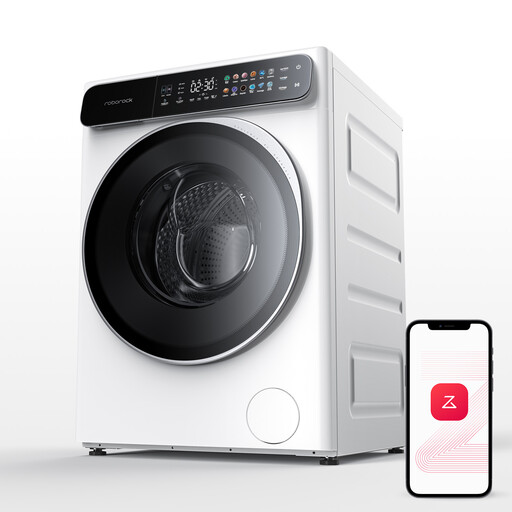 Image unavailable
Worth considering if you want both functions in one appliance and your drying loads are within the stated capacity.
Stated capacities: 10 kg for washing and 6 kg for drying. Check the dimensions, clearances and full-cycle figures to make sure they suit your installation and needs.
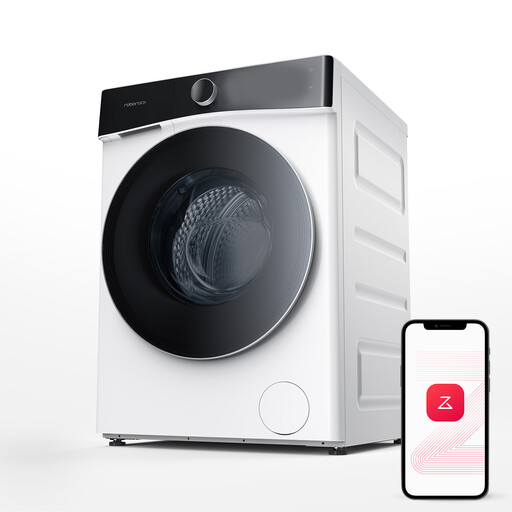 Image unavailable
Another option to consider when washing and drying need to fit into a single space.
Stated capacities: 10 kg for washing and 6 kg for drying. Check the space needed for the appliance and its door, as well as the duration and consumption of the cycle you plan to use.
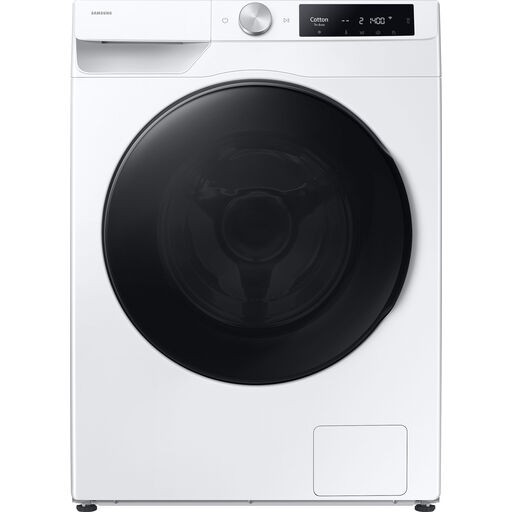 Image unavailable
Consider this if you’re looking for an 11 kg washing capacity and can keep each drying load to 6 kg.
The difference between these capacities matters for a continuous cycle. Check the figures for washing alone and wash-and-dry separately, particularly the duration of the programme you plan to use.
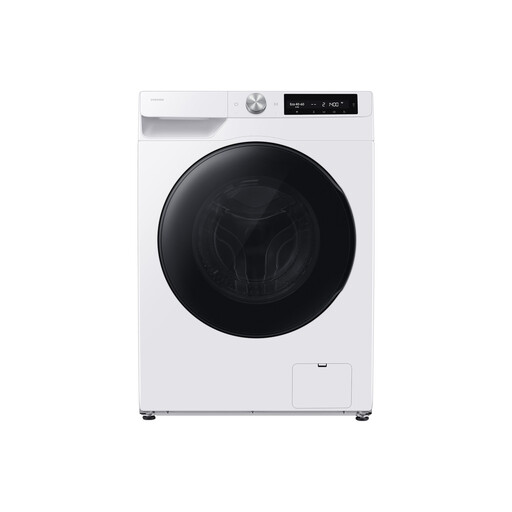 Image unavailable
Worth considering for a single-appliance space if a 6 kg drying load suits your needs.
Stated capacities: 10 kg for washing and 6 kg for drying. Before choosing this model, check its dimensions and required clearances against your available space, then consult the wash-and-dry programme figures.
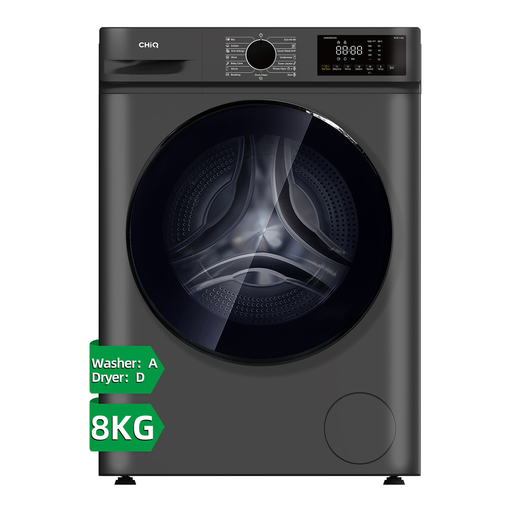 Image unavailable
Worth considering if you want one appliance and your drying loads are within the stated 5 kg capacity.
The stated washing capacity is 8 kg. Confirm the exact dimensions before buying, as the width stated in the title and description don’t match.
Not if the load exceeds the model’s drying capacity. UFC-Que Choisir points out that this is generally lower than the washing capacity. Check both figures and the maximum load for the continuous programme, then remove some washing if the manual instructs you to.
Check the appliance dimensions, door clearance and required space, then read the manual for levelling and connection requirements. Also measure the route the appliance will need to take when it’s delivered.
No. Choose appliances and a stacking kit that are explicitly compatible. For example, Bosch Électroménager France states that one of its kits is designed for a washing machine with a depth of over 55 cm. You’ll still need to check the exact model numbers.
Only if you have a suitable space for drying damp clothes. ADEME says that indoor drying releases a lot of moisture and recommends using a large, well-ventilated room or one with appropriate extraction.
Compare washing and drying capacities, then check the figures for the wash-and-dry cycle rather than washing alone. ADEME recommends looking at energy use in kWh per 100 cycles, water per cycle and cycle duration, and checking which programme each figure relates to.