If you have just one space with the necessary connections and little room to dry clothes, a washer-dryer combines both functions. Just bear in mind that its drying capacity is lower than its washing capacity, according to UFC-Que Choisir. If you can install two appliances, side by side or stacked in a compatible setup, compare the options by looking at the installed dimensions, capacities and figures for the cycle you’ll actually use.
Who are these options for?
People in small homes with space for just one appliance
If you have the necessary connections but little room to dry clothes, a washer-dryer is worth considering. Pay particular attention to its drying capacity, which may be lower than its washing capacity, as UFC-Que Choisir points out.
Households that wash large loads
If you often dry large loads, consider whether you have room for two appliances. To stack them, Bosch says you’ll need models designed for stacking and a compatible stacking kit.
Anyone planning to install a built-in appliance
In a kitchen or cabinet, check the housing, access to the connections and the requirements in the manual. For example, the Haier HWD90B416FWB-FR is a built-in model measuring 600 × 540 × 820 mm, with a stated capacity of 9 kg for washing and 5 kg for drying, according to Haier France.
What should you check before choosing?
Start with the space you actually have, then compare how much laundry you need to dry with the figures for the cycle you plan to use.
| Priority | What to check | What this means for me |
|---|
| Available space |
Measure the space, check the door clearance and allow room for the connections. If stacking two appliances, check that the models and stacking kit are compatible, as Bosch recommends. |
I can only fit one appliance, or I also have the space and height needed for two machines. |
| Load to be dried |
Compare the washing and drying capacities separately, as well as the limits for the programme you choose. A washer-dryer rated for 9 kg of washing and 6 kg of drying can’t dry 9 kg in one continuous cycle. |
If my loads often exceed the drying capacity, I’ll need to reduce the load or take some laundry out after washing. |
| Cycle time and energy use |
Check the duration and water and electricity use for the wash-and-dry cycle, rather than confusing these with the figures for washing alone. ADEME recommends using the energy label to compare appliances. |
I plan to use the dryer regularly, so the complete cycle, not just the wash, needs to fit my laundry routine. |
| Installation |
Check the water supply, drainage, power supply and space requirements in the manual for the exact model. If it’s a built-in appliance, measure the cabinet too. |
My space needs to accommodate the connections and installation requirements of the model I choose, not just its stated dimensions. |
| Drying without an integrated dryer |
Consider how much space air-drying laundry will take up and how long you’re happy to wait for it to dry at home. |
If I keep using a clothes airer, I’ll need somewhere to leave the laundry while it dries. |
Mistakes to avoid
-
Choosing based only on washing capacity
A machine rated for 9 kg of washing and 6 kg of drying can’t dry a 9 kg load in one continuous cycle. You’ll need to take some laundry out after washing or start with a smaller load.
Compare both capacities and size your continuous cycles according to the drying capacity and programme limits.
-
Comparing only the washing figures
Drying affects the cycle time and energy use. For the HWD90B416FWB-FR, Haier France gives a duration of 550 minutes and water use of 75 L for Eco 40-60 + drying. These figures apply to this model and cycle.
Check the figures for the wash-and-dry cycle on the energy label and product information for the model you’re considering.
-
Planning a stacked setup without checking compatibility
Having enough vertical space isn’t enough: Bosch says both models must be suitable for stacking, and you’ll need a compatible kit.
Check the model numbers of the appliances and compatible kit, then confirm the dimensions and door clearance. Bosch recommends using a qualified professional to stack the appliances.
Remember to allow for the kit and, depending on the installation, a professional’s services.
-
Assuming a built-in appliance will fit any cabinet
The stated dimensions alone don’t guarantee that the appliance can be installed and connected in a particular cabinet.
Measure the cabinet and check the required clearances and connections in the manual for the exact model before choosing it.
Brands and models at a glance
These examples show specific designs and capacities; their features don’t apply to every appliance from the same brand.
Bosch
The WNG24402FR is an example of a freestanding washer-dryer, while Bosch’s stacking advice applies to setups with two separate appliances.
- Bosch gives the WNG24402FR a washing capacity of 9 kg, a wash-and-dry capacity of 6 kg and dimensions of 848 × 598 × 590 mm.
- For loads over 6 kg, you’ll need to remove some laundry before drying with this model. For a stacked setup, check the compatibility of both appliances and the kit separately.
LG
The F964R35WRS is an example of a washer-dryer rated for 9 kg of washing and 6 kg of drying by LG France.
- LG lists a 68 L drum capacity for this model.
- LG notes that the recommended maximum load varies by programme, so check the load limit for the fabrics and cycle you plan to use.
Haier
The HWD90B416FWB-FR is an example of a built-in washer-dryer to consider when you have a cabinet designed for this type of appliance.
- Haier France gives this model dimensions of 600 × 540 × 820 mm and a washing capacity of 9 kg.
- Its stated drying capacity is 5 kg; Haier gives a duration of 550 minutes for the Eco 40-60 + drying cycle.
Washer-dryers available on Joybuy
These appliances combine washing and drying in one machine, making them useful for homes where fitting two appliances would be difficult. Compare the drying capacity with your usual loads, then check the manual and complete-cycle figures for the model you choose.
 Image unavailable
Samsung WD11DG6B85BEU3 — 11 kg washing, 6 kg drying
This washer-dryer combines both functions in one appliance. Any load over 6 kg needs to be reduced or split to dry it all.
Before choosing this model, check the dimensions and connections in its manual, along with the wash-and-dry cycle figures on its energy label.
View on Joybuy
 Image unavailable
Samsung WD10HG6U34BEU3 — 10 kg washing, 6 kg drying
This washer-dryer lets you wash and dry in one appliance. To dry a load of more than 6 kg completely, you’ll need to split it after washing.
Check the manual for installation requirements and the energy label for the duration and energy use of the wash-and-dry cycle.
View on Joybuy
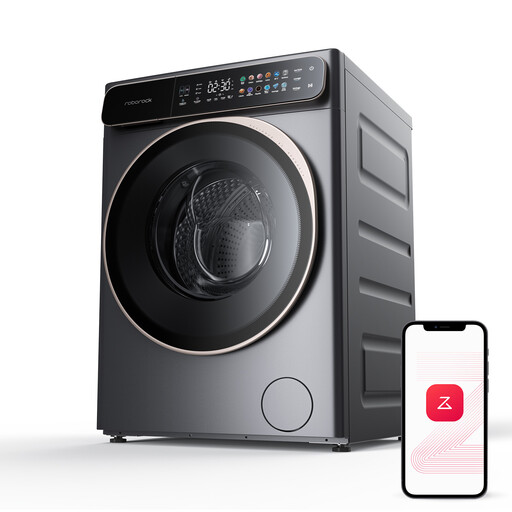 Image unavailable
Grey Roborock Zeo One — 10 kg washing, 6 kg drying
This washer-dryer combines both stages in one machine. Its stated drying capacity of 6 kg means you’ll need to split a larger wash load if you want to dry it all.
Its product details mention automatic dosing and the LintClear system. Check the installation dimensions in the manual and the complete-cycle figures before comparing it with another model.
View on Joybuy
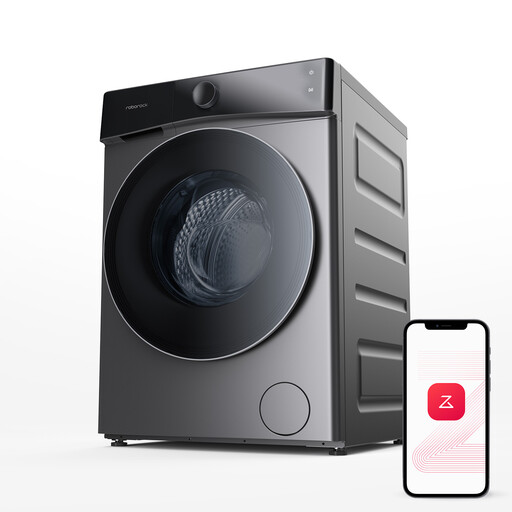 Image unavailable
Grey Roborock Zeo Lite — 10 kg washing, 6 kg drying
This washer-dryer is rated for 10 kg of washing and 6 kg of drying. Any load over 6 kg needs to be reduced or split to dry it all.
Its product name mentions 27 wash programmes, app control and automatic dosing. Check the installation requirements in the manual and the wash-and-dry cycle figures on the energy label for the exact model.
View on Joybuy
Frequently asked questions
Can a 9 kg / 6 kg washer-dryer dry a 9 kg load?
Not all in one continuous cycle: 9 kg is the maximum washing capacity, while 6 kg is the drying capacity. To avoid taking laundry out between the two stages, limit the load to the capacity allowed by the wash-and-dry programme you choose.
Which connections should I check before buying?
Check the water supply, drainage and power supply specified in the manual for the exact model, along with the space and levelling requirements. Measure the space, allowing for access to the connections.
Can you put a tumble dryer directly on top of a washing machine?
Don’t plan this setup without checking that both models are suitable for stacking and that a compatible kit is available. Bosch recommends checking the manuals and using a qualified professional to stack the appliances.
Which energy label figures should I compare if I often dry my laundry?
Focus on the wash-and-dry cycle figures, as this is the cycle you’ll use regularly. Its duration and energy use can’t be inferred from the washing figures alone. Keep the washing-only figures too, so you can compare use without drying; ADEME recommends referring to the energy label when choosing an appliance.


