Households with space for just one appliance
A washer-dryer combines both functions in one appliance. However, you may need to reduce some loads before drying: UFC-Que Choisir highlights that its drying capacity is lower than its washing capacity.


Choose a washer-dryer if you only have space for one appliance on the floor and can keep each load within its drying capacity, which is generally lower than its washing capacity, according to UFC-Que Choisir. If you regularly dry large loads, a stack of two appliances may be a better fit, provided you check that they’re compatible, the installation will be stable and you can reach the controls.
A washer-dryer combines both functions in one appliance. However, you may need to reduce some loads before drying: UFC-Que Choisir highlights that its drying capacity is lower than its washing capacity.
If floor space is limited but there’s enough height, stacking two appliances avoids the difference in capacity you get with a washer-dryer. Check the appliance model numbers and stacking kit compatibility before choosing this option.
Available space isn’t just about the appliance’s dimensions. ADEME recommends considering ventilation when drying laundry; for a tumble dryer, you should also follow the clearance and installation requirements in its manual.
Consider this if: you only have space for one appliance on the floor and your drying loads are within the machine’s capacity.
Bear in mind: the drying capacity is lower than the washing capacity and, according to UFC-Que Choisir, programmes can take longer.
Consider this if: there’s enough height for a stacked setup and frequent washing makes having a separate tumble dryer useful.
Bear in mind: the appliances must be compatible and secured with the right stacking kit, and the tumble dryer’s controls will be higher up.
| Factor | What to check | Who this matters to |
|---|---|---|
| Floor space | Measure the space with the door open and the connections in place; for a stacked setup, check the available height too. | With room for just one appliance on the floor, I want to wash and dry without installing two appliances side by side. For around 42% of consumers, saving floor space would be the top priority. |
| Capacity and drying time | Compare washing and drying capacities in kg, then check how long programmes suited to your loads take. | When I have back-to-back loads of laundry, I want to avoid taking clothes out before every drying cycle. Around 33% of consumers would prioritise drying capacity and time. |
| Energy use and humidity | Compare energy use for the same type of cycle and check the manual for ventilation and clearance requirements. | In a small room, I want to keep energy use under control without letting humidity build up. These factors would be a priority for around 25% of consumers. |
If you choose a stacked setup, selecting a tumble dryer is a separate decision from choosing where to put it. UFC-Que Choisir says that heat-pump models generally use less energy, while conventional condenser or vented models generally dry faster. Compare the specifications and installation requirements of the appliances you’re considering rather than assuming one type will suit every need.
A washer-dryer may be able to wash a load that it can’t dry in one go. UFC-Que Choisir reminds buyers that washing and drying capacities are different.
Compare both figures in kg with the amount of laundry you want to dry without removing anything from the machine.
Similar dimensions don’t guarantee that appliances can be safely stacked. UFC-Que Choisir stresses the importance of a stable washing machine, while Bosch advises checking that the models are suitable for stacking.
Check the model numbers, weight limits and kit recommended by the manufacturers. Place the tumble dryer on top of a washing machine that’s level and standing on a flat, rigid and sturdy floor.
The door, connections and required clearances can all affect how much space you need. Poor ventilation in a small room can also encourage humidity to build up.
Measure the usable depth with the door open and check the appliance manual for clearance and ventilation requirements.
UFC-Que Choisir says that heat-pump tumble dryers generally use less energy, while conventional condenser or vented models generally dry faster.
Weigh up energy use against drying time based on the programmes available on the models you’re considering and how often you dry clothes.
The Bosch France range includes washer-dryers with capacities that vary by model, as well as stacking kits for some compatible appliances.
The LG France range includes the F964R35WR washer-dryer, listed with a washing capacity of 9 kg and a drying capacity of 6 kg.
Haier France features the X5 HWD120-BP14357U1 washer-dryer, listed with a washing capacity of 12 kg and a drying capacity of 8 kg.
These appliances combine washing and drying in one space. Their capacities range from very small loads to larger ones. Choose based on how much laundry you want to dry, then check the model’s dimensions and installation requirements.
 Image unavailable
Combines both functions in one appliance, while allowing you to wash loads larger than those you can dry in one go.
Stated capacities: 11 kg for washing and 6 kg for drying. If you want to wash and dry without removing any laundry, keep the load within the drying capacity.
Before installation, check the required depth with the door open, the connections and the clearances specified in the manual.
 Image unavailable
A practical choice if you want one appliance and your drying loads don’t exceed the stated 6 kg capacity.
Its washing capacity is 10 kg, so you’ll need to reduce a full load before drying. Check the required clearances, the length of a complete cycle and its energy use to see if it suits your needs.
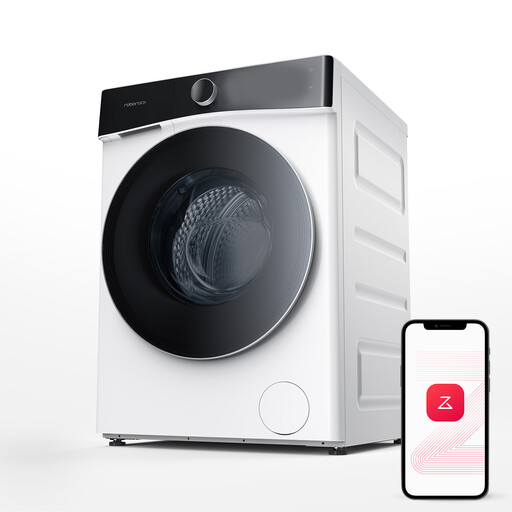 Image unavailable
Wash and dry with one combined appliance, if a 6 kg drying capacity meets your needs.
Its stated washing capacity is 10 kg, so remove some laundry from a full load before drying. Check the dimensions, clearances and energy use for the programmes you plan to use.
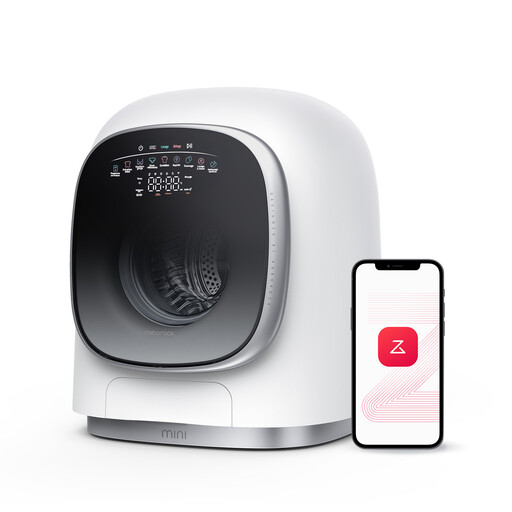 Image unavailable
Only consider this if you wash and dry very small amounts of laundry.
Its stated capacities are 1 kg for washing and 0.5 kg for drying, so compare them with your usual loads. Also check the dimensions, clearances and which cycle the stated energy rating applies to.
No, not as a single 9 kg load: 6 kg is the drying capacity. If you want to wash and dry without removing any laundry, keep the initial load within that capacity; otherwise, split the load before drying.
No, matching widths aren’t enough. UFC-Que Choisir and Bosch recommend checking that the model numbers and stacking kit are compatible, placing the tumble dryer on top, and making sure the washing machine is level on a flat, rigid and sturdy floor.
Only if the model’s installation requirements allow it. Check the manual for ventilation and clearance requirements. Electrolux specifically advises against enclosing a tumble dryer in a cabinet without ventilation, as humidity can build up.
Compare figures for the same type of cycle rather than looking only at the energy rating letter. The European Commission says that, since 1 March 2021, the EU energy label for washing machines and washer-dryers has used a scale from A to G. Make sure you distinguish between figures for washing alone and those for the combined cycle.