
Livraison le jour même ou le lendemain

Qualité garantie

Débloquez vos offres de bienvenue: Livraison GRATUITE | Jusqu'à -80 % | 30 jours d'essai gratuits à JoyPlus
Téléchargez l'application
As the nights grow colder, the quest for the perfect warm duvet becomes a top priority. But be warned: faced with a jungle of options, the pitfalls are many and can quickly turn your purchase into a regret, harming your sleep quality in the process. To avoid any unpleasant surprises, let's review the most common mistakes.
The first pitfall: believing that a high fill weight is the only guarantee of warmth. Another common misconception is that a "100% natural" filling is automatically hypoallergenic. This is false. Finally, ignoring certification labels means you risk sleeping with undesirable substances. This guide is here to separate fact from fiction and help you find the duvet or throw that truly meets your needs.
To make an informed choice, you need to master a few key concepts. These determine not only your duvet's thermal properties but also its comfort, durability, and hygiene.
The choice of filling is crucial. It dictates the thermal insulation, weight, and breathability of your winter duvet.
The casing, the outer fabric of the duvet, is just as important for comfort and longevity. A 100% cotton casing with a tight weave (like cotton percale) is a must-have: it prevents the filling from escaping while offering a soft, breathable touch.
The stitching (the seams that create a grid on the duvet) is also crucial. A box, wave, or baffle-box stitch pattern ensures a perfectly even distribution of the filling. No more cold spots in the middle of the night!
Choosing the right size is essential. For a standard double bed (140 x 190 cm), opt for a 220 x 240 cm duvet. It will provide a generous drape on each side, keeping you warm and safe from draughts.
Finally, keeping an eye on certifications is essential. The STANDARD 100 by OEKO-TEX certification is a must. It guarantees the absence of any substances harmful to your health. It's a non-negotiable seal of safety, whether the filling is natural or synthetic.
To put theory into practice, here are a few models that perfectly illustrate these criteria, each meeting a specific need.

Why we chose it: Ideal for those seeking the breathable warmth and enveloping comfort of a natural duvet to get through the coldest nights. Its composition (90% feathers, 10% down) offers a great balance between support and softness.
It proves that warmth doesn't just depend on the fill weight, but on the quality of the filling. The Oeko-Tex and Sanitized labels clear up any doubts about potential allergens linked to natural fillings.
Excellent natural temperature regulation and box stitching for even warmth without cold spots.
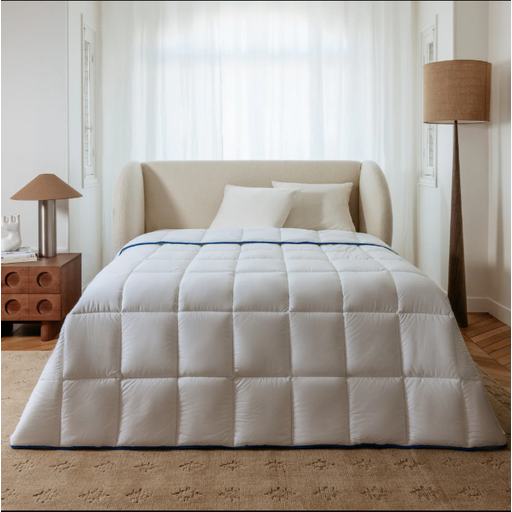
Why we chose it: A practical synthetic option for those who prioritise simple care (machine washable) and hypoallergenic properties. Its 400 GSM weight is perfectly calibrated for winter nights.
It doesn't just boast a high GSM. It's backed by an arsenal of certifications (Oeko-Tex, Certipur, Sanitized) to guarantee a healthy sleep environment, completely free of allergens.
Easy care and certified hypoallergenic properties, with a cotton percale casing for a premium feel.
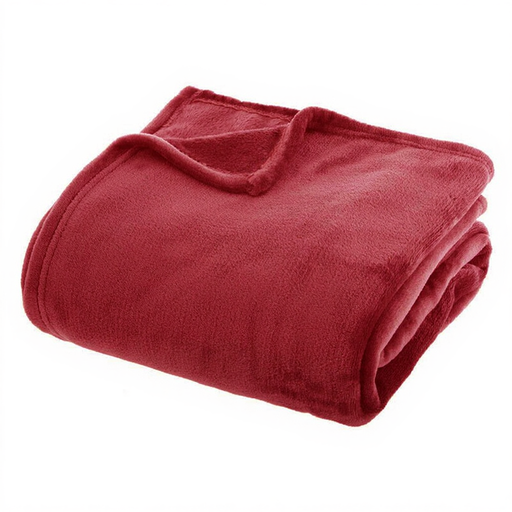
Why we chose it: Perfect as an extra layer of warmth on a bed or for snuggling on the sofa. This fleece throw is a versatile and decorative solution for immediate comfort without changing all your bedding.
It doesn't pretend to be a winter duvet. Its value lies in its versatility and supplemental warmth. Its 250 GSM weight is ideal for its purpose, offering an excellent balance between lightness and warmth.
Instant warmth and an ultra-soft texture. Its large dimensions (180 x 230 cm) allow two people to use it or for one person to wrap up generously.
We have selected a full range of products that meet our quality criteria and the strictest safety standards.
The choice depends on your priorities.
It all depends on the filling. A synthetic duvet can usually be machine washed at 40°C. For a natural model, washing at a low temperature or taking it to a dry cleaner is often recommended to preserve the quality of the filling. In all cases, drying must be thorough to prevent any mould, especially with down. Pro tip: add dryer balls (or tennis balls) to the drum to restore your duvet's full loft.
An all-seasons duvet is actually a pair of duvets (one light, one medium) that can be used separately or joined together with ties or poppers. Once clipped together, they form a very warm duvet, perfectly suited for winter. It's a clever and cost-effective solution, as a single purchase covers all your needs for the year. A word of caution, however: for those who feel the cold more, or for poorly insulated homes, a dedicated winter duvet with an even more generous fill weight will offer unrivalled comfort.