
Livraison le jour même ou le lendemain

Qualité garantie

Débloquez vos offres de bienvenue: Livraison GRATUITE | Jusqu'à -80 % | 30 jours d'essai gratuits à JoyPlus
Téléchargez l'application
Wall stickers are the perfect solution for reinventing your interior without committing to a major renovation. Want to create an enchanting world in a child's room, bring a touch of nature to your living room, or give a piece of furniture an instant makeover? The promise of easy, affordable decor is tempting. But be warned: the market is flooded with products of wildly varying quality. A poor choice can quickly turn into a nightmare, with adhesive that strips paint, colors that fade in a few months, or a design that peels off at the first sign of heat.
As product recommendation experts at Joybuy, our mission is to guide you through this jungle. This guide gets straight to the point: helping you avoid the most common pitfalls and giving you the keys to choosing an adhesive wall decoration that will live up to its promises, without making removal a chore.
Before you fall for a pretty design, keep an eye out for the flaws that separate a good sticker from a bad deal.
To ensure you make the right choice, here are the technical points to check. They are your guarantee of quality and peace of mind.
This is the most important criterion. Opt for stickers made of vinyl (or PVC). Unlike paper, its advantages are decisive:
A wall sticker will only adhere perfectly to a suitable surface. For optimal results, your wall should be:
These two terms are often mistakenly used interchangeably.
For stress-free DIY decorating, especially if you're applying a large format sticker, 'repositionable' is your best friend.
Here are a few models that check all the boxes, chosen to meet specific needs.

The concept: Create a magical world in a child's room without a long-term commitment. The unicorn sticker theme is a classic that lets you personalize the space affordably and adapt to tastes that change so quickly at this age.
Its removable nature allows you to change the decor as tastes evolve without damaging the walls. An essential feature in a child's room.
An ultra-simple "peel and stick" application, perfect for a DIY decorating project to do with your child.
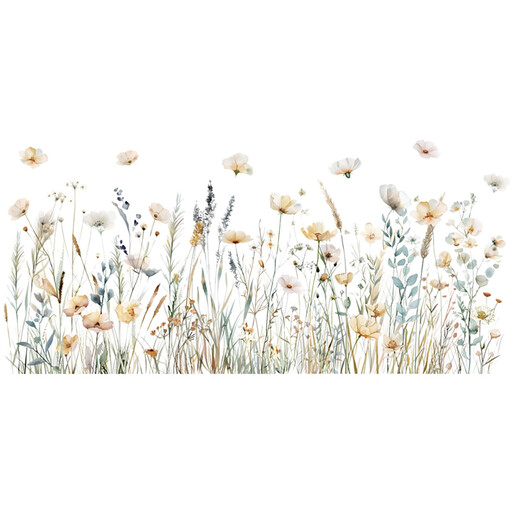
The concept: Bring a poetic and airy touch to a living room or bedroom. The design of this floral wall sticker is a perfect solution for renters who want to personalize their interior without risking their security deposit.
The "removable" label is a guarantee of peace of mind. The vinyl is designed for a clean removal, with no sticky residue or damage to the paint.
The soft watercolour effect is much more subtle and artistic than a classic sticker with solid colors and sharp outlines.
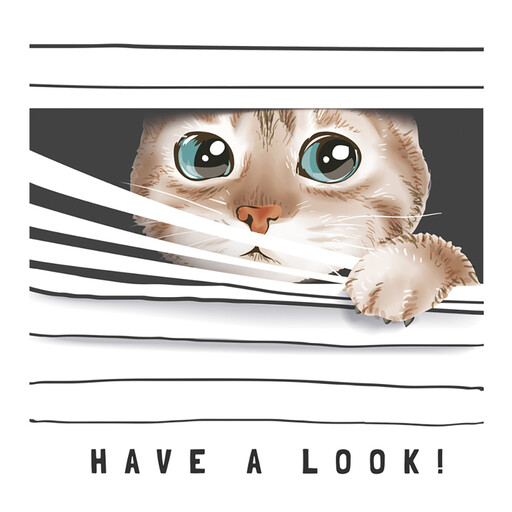
The concept: Add a touch of personality and humor to a place often overlooked in decorating: the toilet. It's the unexpected little detail that's sure to bring a smile.
It is specifically designed to be water-resistant. This is a non-negotiable feature for application on a toilet seat or in a humid room, preventing it from peeling off prematurely.
Designed for the toilet seat, it can also be repurposed as a classic wall sticker in the bathroom for a thematic nod.
Discover our full selection of models that meet our quality criteria and current standards.
The trick is to gently heat the sticker with a hairdryer on a low or warm setting, holding it about twenty centimeters from the wall. The heat will soften the glue. Then, gently peel back a corner and pull slowly, keeping the sticker parallel to the wall. If any sticky residue remains, a cloth dampened with a little vegetable oil or rubbing alcohol will do the trick (always test on an inconspicuous area first).
Generally, no. Most are 'removable' but not 'reusable'. Once peeled off, the adhesive loses its effectiveness and collects dust, making reapplication unreliable. Only a few models, often for children and sold as such, are designed to be handled multiple times. They are the exception that proves the rule.
Stickers work best on smooth, clean, and dry surfaces: painted walls (satin or gloss finishes are preferable), plasterboard, glass, metal, varnished wood... However, avoid porous or textured surfaces like brick, rough plaster, raw concrete, or embossed wallpaper. Air gets trapped underneath, preventing the adhesive from sticking properly.