
Livraison le jour même ou le lendemain

Qualité garantie

Débloquez vos offres de bienvenue: Livraison GRATUITE | Jusqu'à -80 % | 30 jours d'essai gratuits à JoyPlus
Téléchargez l'application
A wall sticker is an appealing solution for transforming a room without committing to a major renovation. Affordable, quick to apply, and often removable, it allows you to personalise an interior in minutes. But be warned: the market is flooded with products of widely varying quality. A poor choice can quickly turn into a disappointment: an adhesive that peels off the paint, colours that don't match the photo, or a sticker that peels away after just a few weeks.
As a product expert at Joybuy, my mission is to help you navigate the options. Here are the most common pitfalls and the criteria to inspect to make the right choice, regret-free.
The 3 pitfalls to avoid when buying a wall sticker:
To avoid these pitfalls, a few technical points should be checked before finalising your purchase. These are the details that make all the difference between a successful decoration and a purchase you'll regret.
The vast majority of wall stickers are made of PVC (polyvinyl chloride). This material has several advantages: it is durable, washable, and often waterproof, making it an excellent option for a toilet sticker or a kitchen backsplash. The finish is also important:
living room sticker or bedroom sticker, it prevents reflections and provides a more natural look, similar to a wall painting.This is the most technical and trickiest criterion. A repositionable sticker worthy of the name uses an adhesive that allows it to be removed without leaving a trace and reapplied once or twice. This is a crucial point for renters or for a child's room where the decor is likely to change. For a permanent solution, a permanent adhesive will be more durable, but its removal will require more care (a little heat from a hairdryer, for example).
Before any purchase, inspect your wall. An adhesive wall decoration requires a smooth, clean, dry, and non-porous surface. Walls with plaster, a grainy texture, or sand-effect paint should be avoided. Likewise, recent paints containing silicone or stain-resistant agents can prevent the adhesive from bonding. A test on a small, inconspicuous area is therefore highly recommended.
To put theory into practice, here are a few models that perfectly illustrate these criteria and meet specific needs.

Why we chose it: Ideal for effortlessly creating a magical world in a child's room. The `kids sticker` is the perfect solution to keep up with their changing tastes, allowing for a quick, damage-free decor change when the unicorn phase is over.
Designed to be removable, it perfectly meets the need for temporary and reversible decoration. This avoids the pitfall of a permanent adhesive that damages the walls of a child's room.
Allows for an instant, budget-friendly thematic transformation, which is much simpler and faster than applying wallpaper.
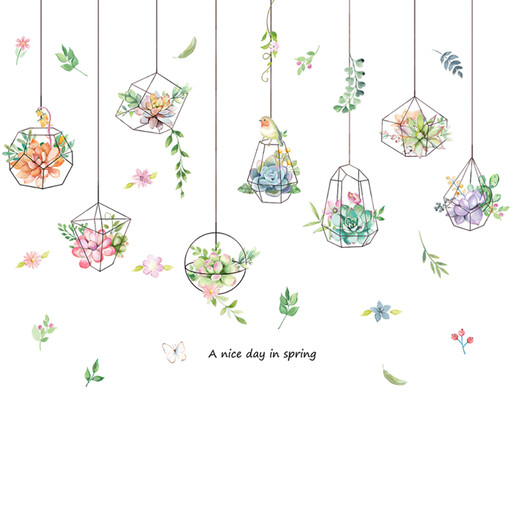
Why we chose it: This `nature sticker` adds a touch of greenery without the associated maintenance. It's an excellent alternative for renters who can't drill into walls to install shelves. The vine motif creates an elegant and calming wall composition, perfect for a living room or bedroom.
The multi-piece format allows you to create a complete scene and avoid the "small sticker lost on a large wall" effect. The print quality is designed for a sharp finish, which bypasses the pitfall of pixelated visuals.
Offers high visual impact for a low price. This type of `wall decal` can add structure to the space and even hide minor imperfections on a white wall.
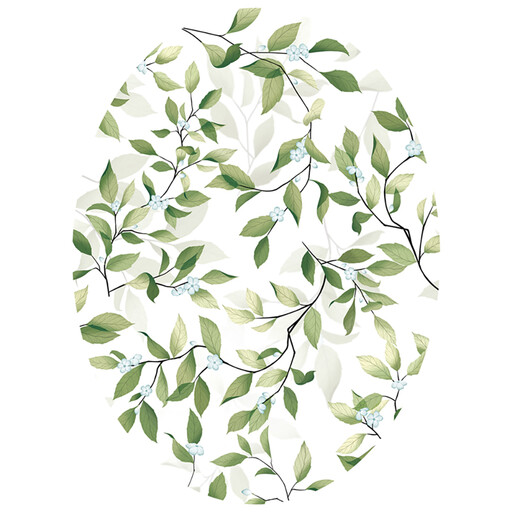
Why we chose it: For those who love the details that make all the difference. This `decorative sticker` is an original and cost-effective way to add character to an often-overlooked space. It allows you to add a touch of colour and style where you least expect it.
This sticker is specifically designed for wet environments. Its waterproof material and moisture-resistant adhesive prevent premature peeling, a common pitfall for standard stickers placed in a humid setting.
Easy to apply and clean, it transforms an everyday object into a true decorative element. It's a quick DIY (Do It Yourself) solution that's accessible to everyone.
Our full selection features products that meet our quality criteria and safety standards. Browse it to find the perfect sticker.
The safest method is to gently heat the sticker with a hairdryer on low power, holding it about twenty centimetres away. The heat will soften the adhesive. Then, gently peel back a corner and pull the sticker parallel to the wall (flat against it, not towards you). If any glue residue remains, a cloth dampened with a little rubbing alcohol or soapy water is usually enough to remove it.
It's strongly discouraged. For optimal adhesion, the surface must be as smooth as possible. On a textured wall, the sticker won't have enough contact points, which will create air bubbles and cause it to peel off quickly.
The lifespan of a wall sticker depends on its quality, as well as its exposure to direct sunlight, humidity, and friction. Under normal indoor conditions, a good quality sticker can last for several years without fading or peeling. In a bathroom or near a heat source, its lifespan will naturally be shorter.