
Livraison le jour même ou le lendemain

Qualité garantie

Débloquez vos offres de bienvenue: Livraison GRATUITE | Jusqu'à -80 % | 30 jours d'essai gratuits à JoyPlus
Téléchargez l'application
Looking to refresh your decor without committing to a major renovation? The wall sticker is the perfect solution: simple, cost-effective, and endlessly customisable. But beware of potential disappointments. Behind this promise of ease lie very real pitfalls: an adhesive that rips off paint upon removal, a design that fades in a few months, or vinyl so thin it tears during application.
As a product expert at Joybuy, my mission is to help you make the right choice. This guide breaks down the key points to check to avoid unpleasant surprises and transform your space with complete peace of mind.
Before you fall in love with a design, keep in mind the flaws that can turn a great idea into a real headache.
To ensure the result lives up to your expectations, here are the technical specifications you shouldn't overlook.
This is the most important criterion. Always look for the words "removable adhesive" or "repositionable". A quality adhesive is designed to stick firmly while allowing for a clean removal, leaving no residue or damaging the surface. This is essential for temporary adhesive wall decor or for those who love to change their decor on a whim.
Most wall stickers are made of vinyl, but not all vinyl is created equal. Thick vinyl is a guarantee of durability and makes application much easier. It will be less prone to stretching or tearing. For a large wall decal, a high-quality material is essential for a smooth, professional finish.
For a sticker in the living room or a sun-drenched space, UV protection is essential to preserve the vibrancy of the colours over the long term. In a bathroom or for a sticker on the toilet seat, ensure it is water and humidity-resistant to prevent it from warping or peeling.
Because every project is unique, here are some models that tick all the quality boxes we've just discussed.
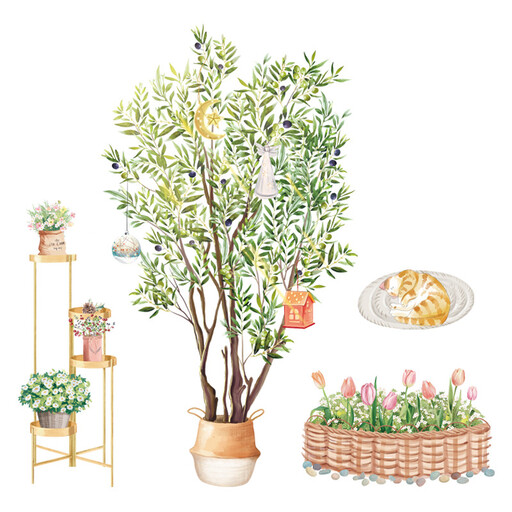
Why we love it: Perfect for adding a touch of green to a living room or bedroom without the maintenance of real plants. The mural effect creates an instant focal point and freshens up the room's atmosphere.
The "removable" label is clearly stated, addressing the main concern: damaging the walls. Its multi-part design facilitates a bubble-free application.
Create a spectacular plant wall on a budget, without any long-term commitment.

Why we love it: A must-have for turning a child's bedroom or playroom into a magical kingdom. The ever-popular unicorn theme allows for a fun and, most importantly, reversible way to personalise the space.
Designed for children's rooms, this sticker is made to evolve with their tastes. Its removable nature is central to the product, avoiding the trap of permanent decor.
A solution that sparks imagination and allows the decor to change with a child's passions, without having to repaint the entire room.
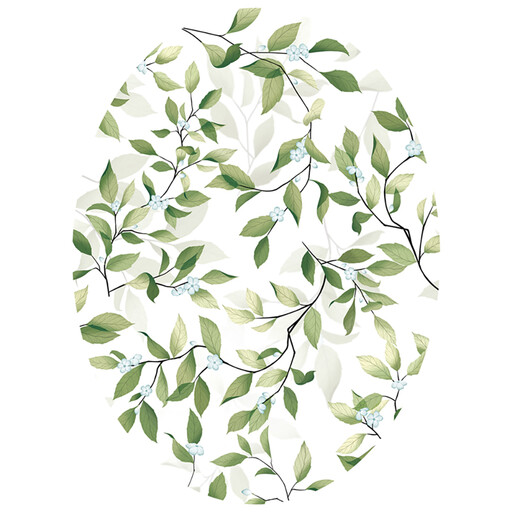
Why we love it: A clever and original solution for decorating an often-neglected space: the toilet! This type of sticker for a toilet seat or door adds an unexpected touch of whimsy.
This sticker is specified as "waterproof," a non-negotiable feature for a wet area. It thus sidesteps the pitfall of peeling due to humidity.
Perfectly suited for an unconventional surface, it allows for easy and affordable customisation where traditional decor is often impossible.
We have curated a full range of products that all meet our quality standards.
Absolutely, provided you choose a model with a quality removable adhesive. The trick for removal: gently heat the sticker with a hairdryer on a low setting. The heat softens the glue, allowing it to peel off smoothly. Always pull parallel to the wall (not towards you) and go slowly for a flawless result.
The secret is preparation! Your wall must be perfectly clean, dry, and smooth. For a large format, it's best to have two people. Start by peeling off a small portion of the backing paper at the top, position the sticker, then use a small squeegee (or a credit card) to smooth it from the centre outwards to push out any air, while gradually removing the rest of the backing paper.
Stickers work best on smooth, non-porous surfaces. Painted walls (preferably with a satin or gloss finish), glass, metal, smooth doors, and tiles are ideal substrates. However, avoid textured walls (like stucco or fibreglass wallpaper), grainy surfaces, or freshly painted walls (wait at least 3 weeks for the paint to fully cure). Adhesion on these surfaces would be too unreliable.