
Livraison le jour même ou le lendemain

Qualité garantie

Débloquez vos offres de bienvenue: Livraison GRATUITE | Jusqu'à -80 % | 30 jours d'essai gratuits à JoyPlus
Téléchargez l'application
The wall sticker seems like the perfect solution for an effortless and affordable room refresh. With easy application and thousands of available designs, the promise is appealing. Yet, disappointment often follows a few weeks later: a decal that starts peeling, paint that gets stripped off during removal, or a final look that's a far cry from the website photos. These are all-too-common mishaps.
As a product expert for Joybuy, my mission is to help you see things more clearly. Let's skip the marketing jargon and get down to specifics to ensure a result that truly lives up to your expectations. Here’s how to avoid the common pitfalls and choose the decorative sticker that will elevate your interior for good.
The wall decor market is huge, but not all stickers are created equal. Before you fall for a design, watch out for these three recurring problems.
Fortunately, you can avoid these unpleasant surprises by checking a few key points. They are your guarantee of a successful purchase that will stand the test of time.
Most stickers are made of PVC or vinyl. Vinyl remains the material of choice for its flexibility and durability. It adapts better to minor wall imperfections. Look for labels like "high-quality vinyl" and "non-toxic," which are essential for a child's or baby's room. A thicker material is also a sign of easier application and greater resistance.
Be careful, as a sticker won't adhere to just any surface. Freshly painted walls (wait at least 3 weeks), textured, grainy, or porous surfaces should be avoided. The ideal surface is smooth, clean, and dry. A quick look at the manufacturer's recommendations will save you from the classic disappointment of a wall decal that refuses to stick.
The great advantage of a sticker is its flexibility. Opt for models labelled as "repositionable" or "removable without residue." This feature is a must-have if you're a renter or love to change your decor on a whim. A good sticker should be removable cleanly, without leaving glue marks or damaging the surface. This is what sets it apart from simple permanent adhesive wallpaper.
To move from theory to practice, here are a few concrete examples that meet different needs.

Why we chose it: Perfect for parents who want to create a magical world without committing to a major project. The unicorn theme is a timeless classic that stimulates children's imaginations and can brighten up a dull wall.
This type of sticker is designed to be removable. It allows you to change the decor as your child grows, without the risk of damaging the wall and losing your security deposit.
Easy to apply and remove for an instant "wow" factor without breaking the bank. Bonus: A quick wipe with a sponge makes the PVC look good as new.
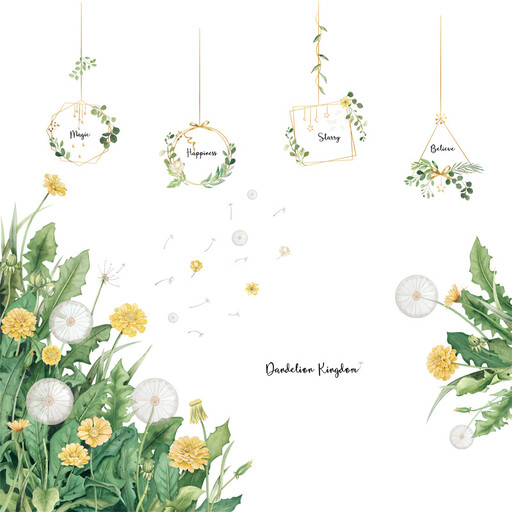
Why we chose it: When you're a renter, all decorations must be reversible. This set of botanical stickers brings a touch of nature and freshness to a living room or bedroom, with no drilling or painting required. An elegant solution for making a space your own, even temporarily.
Its "peel and stick" design ensures clean removal, with no glue residue or unpleasant surprises left on the wall.
Maximum personalisation with zero commitment. The botanical motif is right on trend and integrates easily with any decor style.
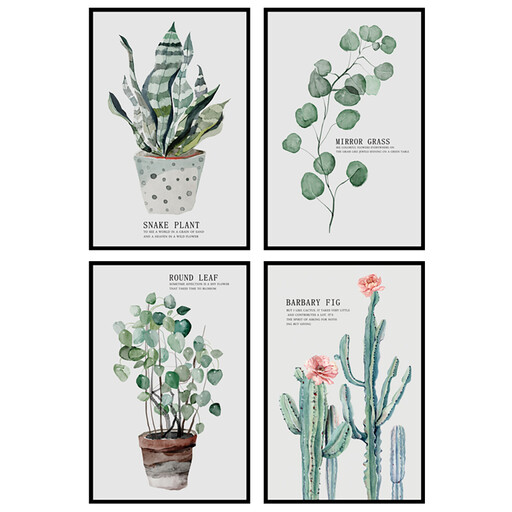
Why we chose it: To create a strong visual focal point in your living room decor. This sticker mimics a framed piece of art, adding a touch of design and an effect of depth. It's an excellent alternative to a painting, which is often much more expensive.
Its framed design avoids the "just stuck there" look that some stickers have. The high-quality printing and 3D effect bypass the pitfall of a *cheap*-looking finish.
Creates a chic and contemporary wall art effect, without the hassle of handling a heavy frame and drilling into the wall. The result is immediate.
We have selected a full range of products for you that meet our quality criteria and safety standards.
In theory, no. A quality sticker, specifically one labelled "removable," is designed not to damage paint that is in good condition. The risk exists if the adhesive is too aggressive or if your paint was already fragile (flaking, poor quality). The trick for damage-free removal: gently heat the sticker for a few seconds with a hairdryer to soften the adhesive, then pull it away slowly and parallel to the wall.
The ideal surface is perfectly smooth: a wall with satin or gloss paint, glass, metal, non-porous tile, a cupboard door, etc. Conversely, avoid textured walls (like stucco or raised fiberglass wallpaper), porous surfaces (brick, raw concrete), or freshly painted walls (wait at least three weeks).
The lifespan of a flower sticker or any other design depends on the quality of the vinyl, its exposure to sunlight, and the ambient humidity. A quality product applied under the right conditions can last for several years without fading or peeling. For a bathroom, it is essential to verify that the model is specified as "moisture-resistant."