
Livraison le jour même ou le lendemain

Qualité garantie

Débloquez vos offres de bienvenue: Livraison GRATUITE | Jusqu'à -80 % | 30 jours d'essai gratuits à JoyPlus
Téléchargez l'application
Wall stickers promise easy decorating?: they're affordable, quick to apply, and can transform a room in an instant. But the reality isn't always so picture-perfect. A decal that rips off paint when removed, colours that fade to dull, or an application process that turns into a real headache… these disappointments are unfortunately common.
As the head of product recommendations at Joybuy, my role is to help you make an informed choice. This guide reviews the essential points and criteria to check to find the wall sticker that will beautify your home, without any nasty surprises.
The wall sticker market is huge, and it's easy to fall into certain traps. Here are the most common ones.
The number one risk?: choosing a sticker with a low-quality adhesive. If it's too strong, it will tear off paint or plaster upon removal, forcing you into costly repairs. Conversely, an adhesive that's too weak simply won't stick, especially on a slightly textured wall or in a humid room like a bathroom. Look for terms like "repositionable" or "removable without residue" as an excellent sign of quality.
Colours displayed on a screen are often misleading compared to the real thing. Worse still, poor-quality prints tend to fade very quickly when exposed to UV light. A living room sticker in a south-facing room could lose all its vibrancy in just a few months.
Not all stickers are created equal, far from it. A model that's too rigid or too thin is a nightmare to apply without creating bubbles or creases. Not to mention, it's likely to tear with the slightest mishandling. A good sticker should be flexible enough to conform to the wall's surface but also thick enough to be handled without fear.
To avoid unpleasant surprises, here are a few simple but decisive technical points to focus on.
To illustrate these criteria, here are a few models that cater to different needs and tastes.

Why it's a great choice : Perfect for creating a soothing marine world in a child's room. Its "peel and stick" format allows the decor to evolve as the child grows, without the need for major renovations.
The term "peelable" guarantees it's designed for easy removal. This provides peace of mind that it won't leave residue or damage the wall—a crucial point in a child's room where tastes change at lightning speed.
A repositionable, animal-themed sticker that stimulates the imagination and can be installed in minutes for an immediate wow factor.
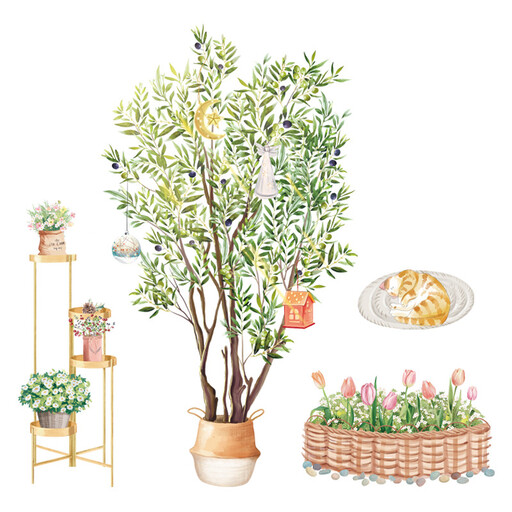
Why it's a great choice : Ideal for adding a touch of greenery to a living room or bedroom without the maintenance of real plants. Its clean style fits easily into most contemporary interiors.
The "removable" label is key. It's the guarantee for a renter that they can personalise their space while ensuring a stress-free moving-out inspection with no damage to the walls.
A trendy botanical design with an adhesive made for temporary decor. Zero risk to your security deposit.
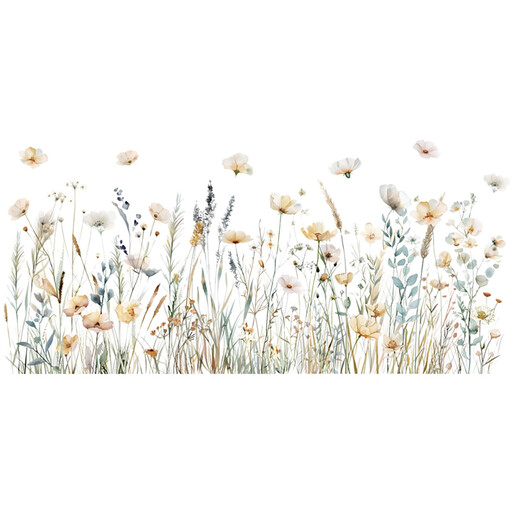
Why it's a great choice : For those seeking a soft, artistic aesthetic. The watercolour style brings a poetic and delicate touch, far more subtle than a classic solid colour.
For a successful watercolour effect, print quality is paramount. This type of wall sticker ensures a faithful visual result. Its removable nature allows you to change the decor with the seasons or on a whim, without ever regretting your choice.
An artistic and refined style that's as easy to apply as it is to remove, for an elegant, commitment-free floral touch.
Preparation is key. The wall must be perfectly clean, dry, and smooth. For large designs, peel off only a small part of the backing paper. Apply the top of the sticker, then gradually smooth it downwards with a plastic squeegee (or a soft cloth) to push out air as you go.
Yes, as long as you choose a quality product with an adhesive specifically designed to be removable. Pro tip?: to make removal easier, gently heat the sticker with a hairdryer. The heat will soften the adhesive, allowing you to peel it off smoothly and without leaving any residue.
Smooth surfaces are ideal?: painted walls (preferably satin or gloss finishes), glass, metal, smooth tiles, or melamine furniture. Avoid heavily textured walls (like stucco or popcorn), embossed vinyl wallpaper, or matte and chalky paints, as adhesion will be poor.