
Livraison le jour même ou le lendemain

Qualité garantie

Débloquez vos offres de bienvenue: Livraison GRATUITE | Jusqu'à -80 % | 30 jours d'essai gratuits à JoyPlus
Téléchargez l'application
The promise of changing your decor without major renovations is an appealing one. The wall sticker has become a smart solution for refreshing a room, personalising a space, or even hiding a small imperfection. However, the market is flooded with products of varying quality, and the wrong choice can quickly turn the dream of easy decorating into a costly disappointment.
As a Product Curation Specialist at Joybuy, my mission is to help you navigate the options. Before you give in to an impulse buy, let's review the pitfalls to avoid and the essential criteria for making an informed choice.
The appeal of a quick transformation can sometimes make us overlook the essentials. Here are the three most common issues that could ruin your experience:
To avoid these pitfalls, you need to pay close attention to a few technical specifications. These details make all the difference between a durable product and a disappointing temporary fix.
The choice of material is crucial for the look and longevity of your wall decor.
A wall sticker can't be applied just anywhere. For optimal adhesion, the surface must be smooth, clean, dry, and non-porous. Textured walls, like plaster or embossed wallpaper, should be avoided. Before applying a large surface like a backsplash, it's always a good idea to test it on a small, inconspicuous area first.
Manufacturers use different terms. A "repositionable" sticker can be peeled off and reapplied several times during installation. A "removable" sticker is designed to be taken off cleanly at the end of its life without leaving a trace. If this is a critical factor for you (especially if you are a renter), be sure to check for this in the product description.
Every decorating project is unique. Here are a few options that cater to specific user profiles and tick all the quality boxes we've just discussed.
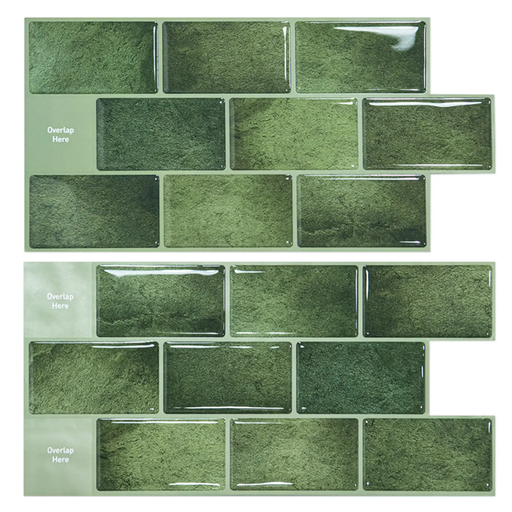
Why we chose it: Ideal for those who want to modernise their kitchen backsplash without the hassle of laying real tile. It's a budget-friendly and quick solution for an immediate visual impact.
Its vinyl composition with a 3D epoxy gel layer ensures good resistance to humidity and moderate heat (around a hob), preventing premature peeling.
The raised 3D texture provides a realistic visual and tactile finish, a far cry from the flat, plastic look of some low-end stickers.
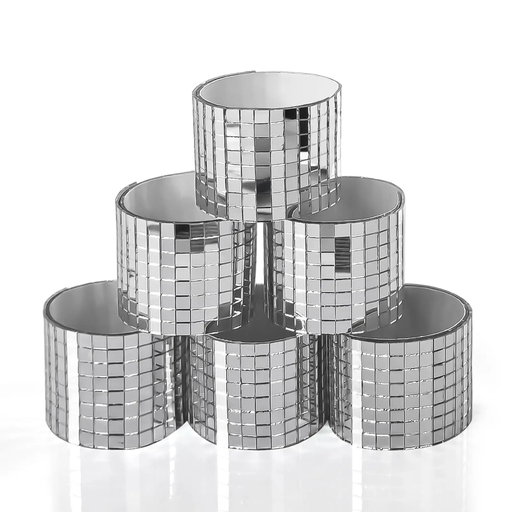
Why we chose it: Perfect for DIY enthusiasts looking to add a touch of light. These tiles allow you to customise a wall, frame, or object with a true mirror effect.
It is made of real glass, which guarantees a clear, sharp reflection. This avoids the pitfall of the blurry, distorted "mirror" effect found in cheap PVC stickers.
The format of small tile rolls offers great flexibility for covering curved surfaces or creating custom patterns, going beyond a simple mirror sticker.
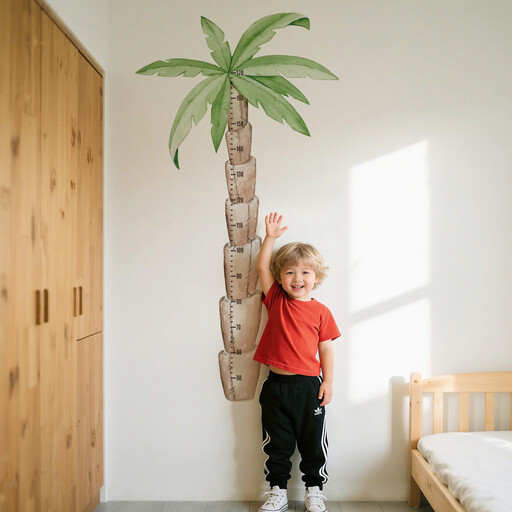
Why we chose it: For parents looking to decorate their child's room in a way that is both stylish and functional. This height chart turns tracking growth into a genuine decorative feature.
Its canvas texture surface with a matte finish reduces glare and provides a more premium look than a simple glossy plastic sticker, thus avoiding the "cheap" effect.
It combines two functions in one: an attractive piece of wall decor and a practical tool for measuring and keeping a record of children's growth.
We have curated a complete list of products that meet our strict selection criteria and safety standards.
This is strongly discouraged. The sticker's adhesive is designed for smooth, non-porous surfaces like a painted wall. On wallpaper, not only is the adhesion likely to be poor, but when you remove it, the sticker could tear the wallpaper underneath.
For a smooth removal, gently heat the sticker's surface with a hairdryer on a low setting. The heat softens the glue, allowing you to carefully peel back a corner and pull slowly, keeping the sticker as parallel to the wall as possible. If any glue residue remains, it can often be removed by rubbing it with a cloth soaked in a little vegetable oil or rubbing alcohol (be sure to test on an inconspicuous area first).
High-quality models, often made of PVC or vinyl, are designed to withstand water splashes and the ambient humidity of a kitchen or bathroom, making them easy to clean. Regarding heat, they can be placed behind a hob, but it is advisable to maintain a safe distance (usually 20-25 cm) from the direct heat source to prevent any warping or colour fading. However, they are not designed to be placed inside a shower enclosure.