
Livraison le jour même ou le lendemain

Qualité garantie

Débloquez vos offres de bienvenue: Livraison GRATUITE | Jusqu'à -80 % | 30 jours d'essai gratuits à JoyPlus
Téléchargez l'application
A wall sconce can transform a room, add character, or simply fix a lack of light. But with an overwhelming selection and often cryptic spec sheets, it's easy to make the wrong choice. To ensure you're not swayed by design alone, our editors are here to help you decode what really matters.
Before falling for a design, let's focus on the details that make all the difference. Here are the 3 most common mistakes and, more importantly, how to avoid them.
You don't need to be an electrician to make the right choice. You just need to master a few technical concepts that determine the use, safety, and lifespan of your future sconce.
This rating classifies an electrical device's resistance to dust (first digit) and water (second digit). This is the one area where you can make no compromises.
bathroom wall sconce.outdoor wall sconce locations, garages, basements.The type of light beam determines the atmosphere and function of your sconce.
wall-mounted reading light above a bed, to illuminate a countertop, or to highlight a painting.bedroom wall sconce, or in a hallway.The choice of material isn't just a matter of looks; it also affects the fixture's maintenance and durability.
brass wall sconce or a black wall sconce is an obvious choice here.Here are a few models that meet specific needs, applying the criteria we've just covered.
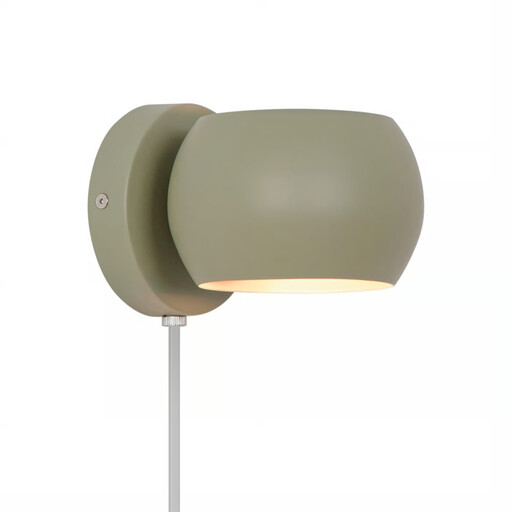
Why we recommend it: Its Scandinavian design and 360° adjustable head let you sculpt the light to your liking, whether it's next to a sofa, as a headboard light, or in a hallway. An ultra-versatile solution for those who love to evolve their lighting mood.
Its flexibility puts an end to "static" lighting. Switch from an indirect ambiance (beam facing up) to a focused reading light (facing down) in a single motion.
360° adjustable head for total beam control and a decorative up/down effect.
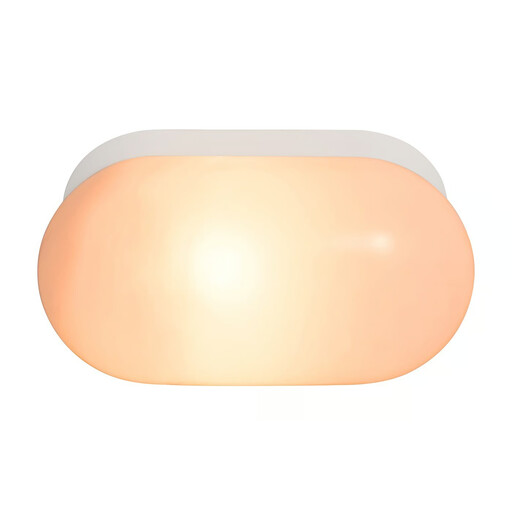
Why we recommend it: Specifically designed for damp locations, it combines safety (IP44) with a minimalist design. Its diffuse light is soft and glare-free, perfect for waking up in the morning.
Its IP44 rating qualifies it for damp rooms by protecting it from splashing water. This is the essential criterion to avoid electrical hazards and premature failure.
Bathroom-safe (IP44) and compatible with dimmable E27 bulbs.
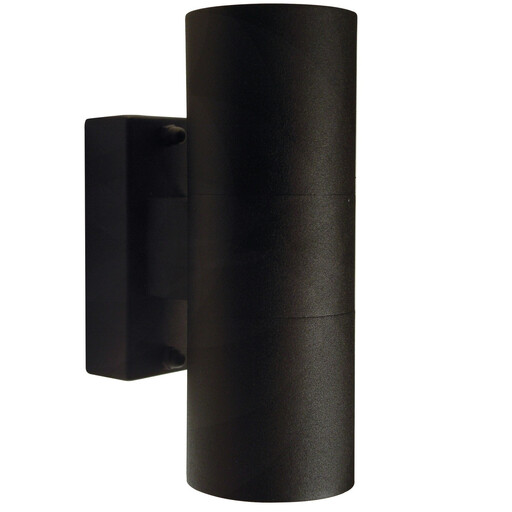
Why we recommend it: Robust and understated, it's perfect for effectively illuminating an entryway, facade, or carport. Its dual up-and-down beam creates an effect that is both welcoming and secure.
Its IP54 rating and metal construction ensure genuine resistance to weather and dust. No more cheap outdoor lights that rust after one season.
Dual up/down beam for architectural lighting and a high protection rating (IP54) for outdoor use.
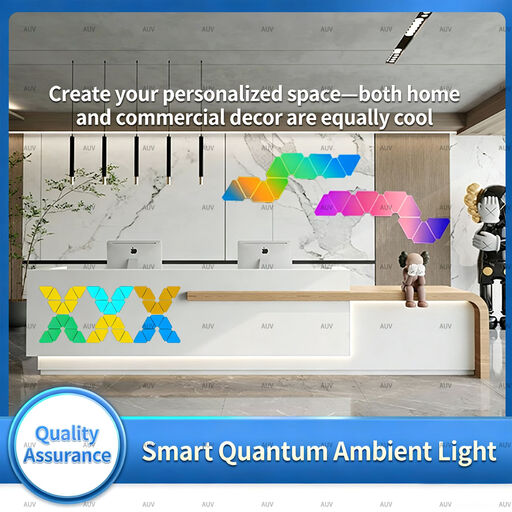
Why we recommend them: Perfect for a gaming setup, studio, or creative space, these modular panels offer endless lighting customisation. More than just a light, they are a decorative tool for creating dynamic and immersive atmospheres.
Unlike a traditional sconce, nothing is fixed—neither the color nor the shape. Music synchronisation and numerous dynamic scene modes banish the monotony of static lighting.
Total customisation (16 million colors), music sync, and mobile app control.
Explore our full selection of lighting fixtures that meet our quality criteria and European safety standards.
There's no hard and fast rule, but here are some common guidelines:
Yes, and it's often an excellent choice. The advantages are numerous: low energy consumption, a very long lifespan (often over 20,000 hours, meaning years of peace of mind), and much slimmer, more original designs. The only drawback: the light source is not replaceable. This means you have to replace the entire fixture at the end of its life, but its lifespan is so long that the math still works out in its favour.
Technically yes, but the mounting hardware must be appropriate for the wall material. On drywall (plasterboard), expansion anchors (like Molly bolts) are essential. On a load-bearing wall made of concrete or brick, standard wall plugs are sufficient. The real question is about the electrical connection: