
Livraison le jour même ou le lendemain

Qualité garantie

Débloquez vos offres de bienvenue: Livraison GRATUITE | Jusqu'à -80 % | 30 jours d'essai gratuits à JoyPlus
Téléchargez l'application
Wall décor can transform a living room, kitchen or home office without the need for major building work. However, some purchases can quickly become disappointing: the relief may be too imposing, the adhesive may be unsuitable, the quantity may be insufficient or the fixing may not feel secure enough. Before ordering, it is better to check a few practical criteria rather than relying solely on styled product photos.
A pack may contain several panels, but the area covered depends on their size and the cuts required. To estimate what you need, measure the width and height of the area to be covered, then allow an extra 10 to 15% for cuts, corners and any fitting mistakes.
A 30 × 30 cm panel covers approximately 0.09 m². A pack of 20 pieces therefore covers nearly 1.8 m², compared with around 2.97 m² for a pack of 33 pieces. These figures are much more useful than simply counting the number of panels shown on the packaging.
Even DIY wall panels must be installed on a clean, dry, dust-free and sufficiently even surface. A crumbly, damp or heavily textured wall can compromise adhesion and cause the panels to come away. If you are renting, also check whether the adhesive or fixing system could damage the paint when removed.
For adhesive products, test one first on a small, discreet area. For hanging decorations, choose wall plugs suited to the type of wall: plasterboard, brick, concrete and tiles each require different fixings.
3D wall panels add depth, but a highly pronounced pattern can quickly make a small room feel heavy. Black wall décor absorbs more light. It will generally work better on a feature wall, behind a headboard or in an accent area than throughout a poorly lit room.
Also consider both natural and artificial lighting. A geometric relief can create very noticeable shadows, while a mirrored mosaic reflects light sources and immediately draws the eye.
Wall PVC is popular for its easy maintenance and resistance to moisture, depending on the characteristics stated by the manufacturer. It may be suitable for a bathroom, utility room or kitchen, provided it is installed correctly and used in accordance with the product recommendations. However, avoid installing it where it will be directly exposed to significant splashing if the joints are not designed to be watertight.
Used for certain types of wall décor, MDF provides a more rigid, graphic finish. It must be protected from water and cleaned with a dry cloth, particularly when it features engraved or painted elements.
The 30 × 30 cm square format makes calculations and pattern creation easier. For living room wall décor, align the panels along a central axis, behind a sofa or above a low unit. In a kitchen, a vertical piece may be more suitable for a narrow wall or a door.
Before cutting, mark the position of each element using a spirit level and pencil. A suitable blade or fine saw will produce cleaner edges. However, wear protective equipment when cutting PVC or glass.
Self-adhesive mosaic tiles can be installed quickly, but only on a smooth, degreased surface. Small glass pieces can be used to create arrangements, frames or a decorative self-adhesive mirror mosaic. They are not a substitute for a safety mirror and must be handled with care.
For heavy décor, such as a 1.57 kg MDF panel, an integrated hanging system does not remove the need to use fixings compatible with the wall. Mounting hardware is not always supplied, so check this before starting the installation.
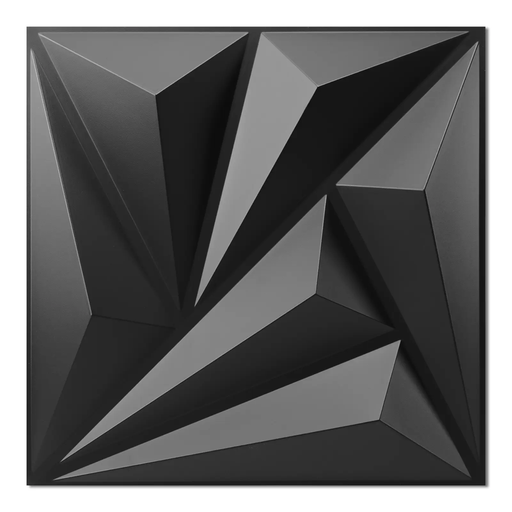
Why this choice suits this profile : With 20 panels measuring 30 × 30 cm, this pack is ideal for starting with a small area, such as a feature wall in a living room or home office.
The covered area is clearly stated : approximately 1.8 m². This means you can estimate how many packs you need before placing your order.
High-density PVC panels, a matt black finish, a raised geometric pattern and installation designed to be achievable with standard tools and adhesive.
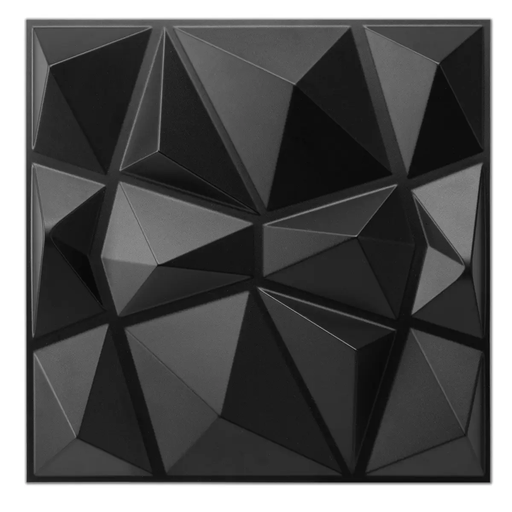
Why this choice suits this profile : Its diamond pattern and black finish fit perfectly into a contemporary interior, particularly behind a piece of furniture or in a professional space.
The pack includes 33 panels, covering approximately 2.97 m². This helps prevent you from underestimating the area that needs to be covered.
Rigid PVC described as resistant to water and heat, which can be cut and installed using glue or silicone.
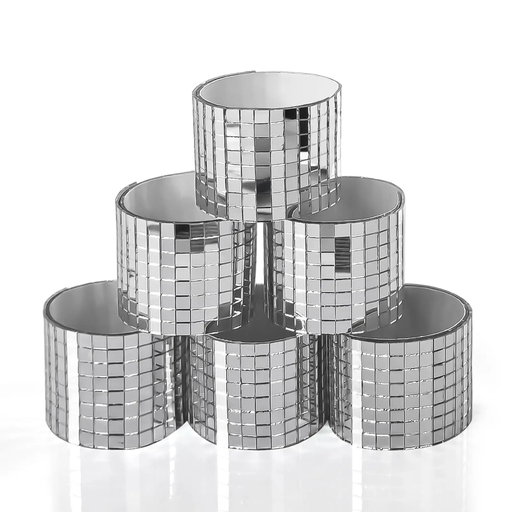
Why this choice suits this profile : With 2 364 pieces, this pack is suitable for creative projects, frames, stage décor or carefully defined kitchen wall décor.
The 25.5 × 4 cm roll format lets you adjust the quantity and create customised patterns without buying a complete panel for a small area.
Genuine mirrored glass elements, edges described as smooth and a self-adhesive backing, so there is no need to add glue.
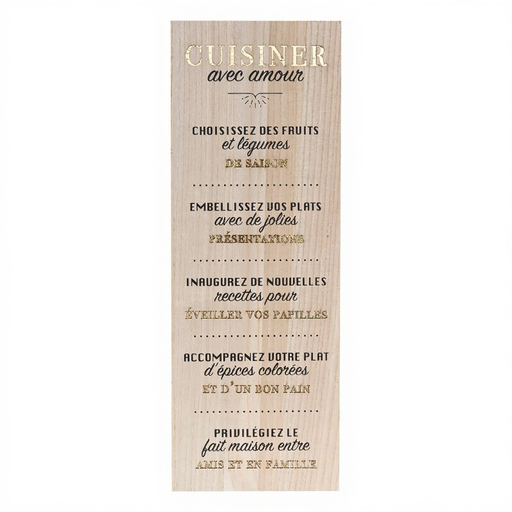
Why this choice suits this profile : This vertical piece is suitable for a kitchen, dining room or hallway when the aim is to add décor without covering an entire wall.
Its dimensions are precise and its vertical orientation is built into the hanging system. However, you will need to choose the fixing hardware according to your wall.
E1 MDF, black and gold engravings, a 78 × 28 cm format and a stated weight of 1.57 kg. The manufacturer recommends cleaning it with a soft, dry cloth.
We have put together a complete, real-time updated selection of products that meet these strict criteria and European safety regulations.
To achieve a neat, even result, have the following ready:
Start by positioning the elements without sticking them down. This allows you to check the joins, alignment and overall balance with the furniture. In a home office, place the relief behind the workstation or on a side wall to avoid distracting reflections on the screen. In a living room, it is generally best to limit the pattern to a clearly defined area.
A PVC panel or washable decoration may be suitable for areas exposed to light moisture, provided you follow the manufacturer’s recommendations and seal the joints carefully. For a warmer feel, a vertical MDF decoration can be installed away from the sink and direct splashes.
Lifespan depends on the material, wall preparation, quality of the fixing and exposure to moisture or heat. A panel correctly installed on a stable surface generally requires little maintenance. Inspect the edges and fixings regularly, particularly in rooms that are used frequently.
The total cost includes the product, installation accessories, any tools and the extra material needed for cuts. Always compare the price per square metre covered, then add the cost of fixings or adhesive when these are not included. This method helps you distinguish between a small decorative touch and a genuine decorative wall covering.