
Livraison le jour même ou le lendemain

Qualité garantie

Débloquez vos offres de bienvenue: Livraison GRATUITE | Jusqu'à -80 % | 30 jours d'essai gratuits à JoyPlus
Téléchargez l'application
A simple wall hook can transform a cluttered space into a perfectly organized interior. Yet, choosing the right model often feels like an obstacle course. Between the promises of ultra-strong adhesives that give way after a week and fixtures that leave craters in your walls, it's easy to make a mistake. As a product expert at Joybuy, my mission is to help you cut through the noise and find THE solution that fits your needs, without falling for marketing traps.
Before you start, watch out for these common pitfalls that can turn a great idea into a disaster.
To make the right choice, three points need to be checked. They are the guarantee of your installation's performance and durability.
Choosing the mounting method is the first step. There is no magic bullet, only the one that is right for your wall.
The load capacity, expressed in kilograms, must be chosen based on the object to be hung.
The material affects both durability and aesthetics. Stainless steel is an excellent choice for a wall-mounted towel rack due to its rust resistance. Aluminum is lightweight and modern, while wood adds a warm touch. The design, whether it's a single hook or a multi-peg wall-mounted coat rack, should complement your decor while meeting your storage needs.
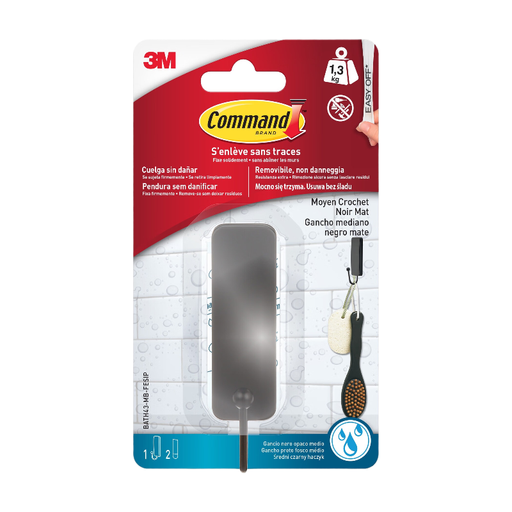
Why we chose it: Ideal for those who want to organize their bathroom or kitchen without drilling holes. Its adhesive technology is designed for humid environments where standard adhesives fail.
It debunks the "universal" adhesive myth by using water-resistant strips specifically tested for damp rooms. It removes cleanly, leaving no residue or damage to tile or paint.
Holds up to 1.3 kg in wet conditions. Tool-free installation and damage-free removal.
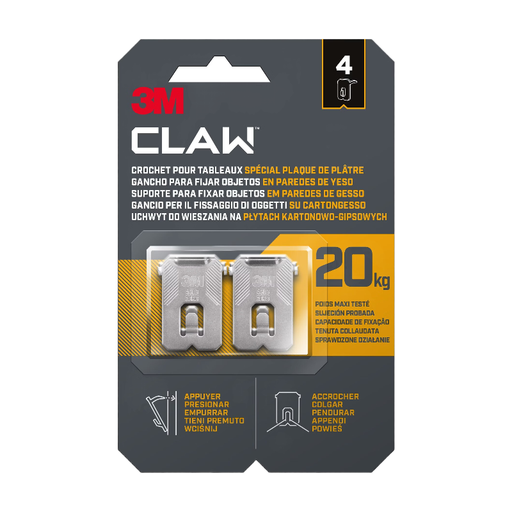
Why we chose it: For hanging heavy items like mirrors or large frames on drywall without needing to find a stud or use a drill. A simple solution for a complex problem.
It solves the puzzle of mounting on drywall. Its hardened steel claws lock securely into the plasterboard with a simple push of a thumb, ensuring a reliable hold without anchors or screws.
Holds up to 20 kg on a drywall partition. Tool-free installation with minimal wall damage.
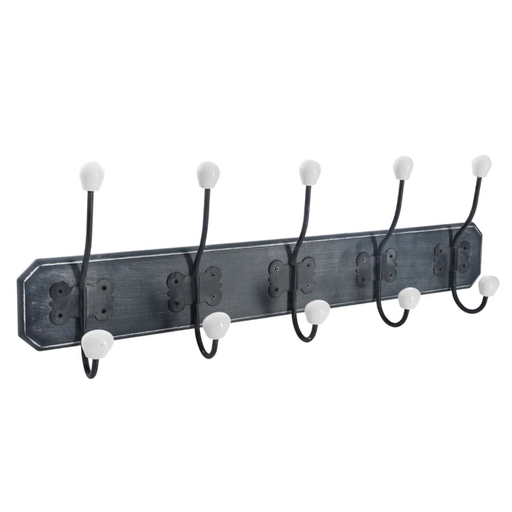
Why we chose it: For those seeking an entryway storage solution that is both practical and stylish. This wall-mounted coat rack adds a warm, retro touch while offering ample capacity.
It avoids the "function-only" trap by offering an object that is also a decorative element. It requires drilling, but its design encourages choosing the right fasteners to ensure a durable and secure installation.
Retro design with 5 double hooks made of metal and ceramic. Combines high storage capacity with a refined aesthetic.
We have selected a full range of products for you that meet our quality criteria and current standards.
For hooks that use a stretch-release strip technology (like those from the Command brand), do not pull the hook towards you. Hold the hook firmly and slowly pull the adhesive tab straight down, parallel to the wall. The strip will stretch and release cleanly, without leaving a trace or damaging the surface. For other adhesives, a hairdryer can help soften the glue before gently peeling it off.
A standard wall anchor (screw-in or expansion) requires pre-drilling and expands inside the wall to create an anchor point. A "claw-type" drywall hook is an all-in-one solution that does not require drilling. Its metal prongs penetrate and grip the back of the plasterboard, distributing the weight over a larger area. It's a faster and often simpler solution for DIY novices.
Yes, provided you follow one golden rule: the strength of the system is determined by its weakest link, which is either the hook itself, its mounting, or the wall. A 20 kg heavy-duty hook will only hold if the wall and the anchor used can also support that weight. Always check the compatibility between these three elements before hanging a heavy or valuable object.