
Livraison le jour même ou le lendemain

Qualité garantie

Débloquez vos offres de bienvenue: Livraison GRATUITE | Jusqu'à -80 % | 30 jours d'essai gratuits à JoyPlus
Téléchargez l'application
A wall hook can free up space in a hallway, bathroom or garage. But a hasty purchase can sometimes lead to nasty surprises: fixings that peel off, metal that leaves marks on the wall, a misunderstood weight capacity, or a size that's impractical for clothes.
Before choosing a coat hook or a key hook, start by identifying the intended use, the type of wall surface available, and the weight of the items you want to hang. Here are the criteria to consider to avoid disappointment, along with a selection of models suited to different needs.
The capacity stated on the packaging doesn't guarantee the hook will suit every item. A key hook designed for a few keys isn't under the same strain as a coat hook loaded with heavy coats and bags.
The supported weight depends on several factors:
For a coat hook, check whether the maximum weight is stated per hook or for the whole product. With an adhesive hook, also follow the recommended waiting time before using it.
A no-drill wall hook doesn't adhere the same way to smooth tiles, matt paint, a porous wall, or wallpaper. Textured, dusty, damp, or crumbly surfaces generally reduce the effectiveness of the adhesive.
An adhesive hook is often a practical solution in a rental property, but the manufacturer's restrictions must be followed to the letter. A screw-fixed hook requires more preparation, but it will be better suited to a heavily used wall storage solution.
A decorative wall hook can fit perfectly into your home, provided there's enough space between the items you hang. In a narrow hallway, a hook that's too deep quickly becomes a nuisance. In a kitchen, hooks that are too close together make it awkward to grab utensils.
Measure the available width and allow enough spacing between each hanging point. In a corridor or small hallway, a compact model or a key hook can prove more practical than a large coat rail.
For keys, small accessories, or lightweight towels, a stated capacity of a few hundred grams may be enough. For coats, bags, or tools, choose a mechanical fixing suited to the surface: appropriate wall plugs, screws, and, where possible, anchoring into a solid structure.
Adhesive models must be placed on a clean, dry, and smooth surface. Some are for indoor use only, while others are designed to withstand the elements. This difference matters for installation on an external door, window, or balcony.
A metal wall hook offers a structure suited to many uses, but its finish deserves careful attention. Stainless steel, aluminium, and painted metal all react differently to moisture and scratches.
Wood adds a warm touch to a hallway or bedroom. However, MDF, pine, and certified wood should not be exposed to water splashes unless the manufacturer says it's okay. In a bathroom, choose a material and finish that are compatible with ambient humidity.
A double hook increases storage capacity without multiplying the number of fixings. A groove or rounded end can also prevent items from falling and reduce the risk of snagging clothes.
For a high-up installation, avoid protruding elements in walkways. If the hook is for children, place it within their reach while avoiding sharp corners and overloading.
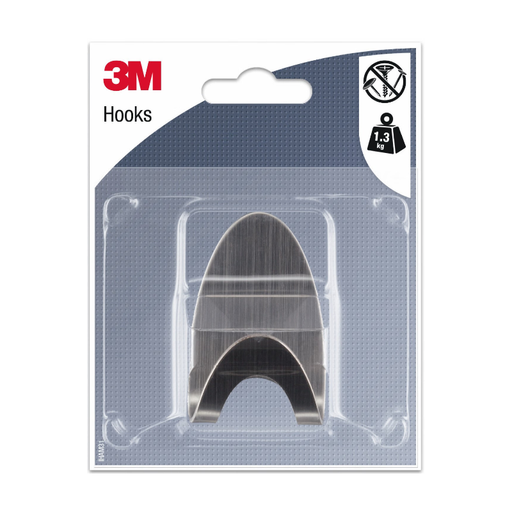
Why this choice suits this profile: Its compact size works well in a hallway, kitchen, or office when you need a tool-free installation on a compatible surface.
The stated capacity is 1.3 kg, but the instructions exclude wallpaper, porous surfaces, and heat sources.
Metal hook, silver finish, adhesive application, and a recommended one-hour wait before hanging an item.
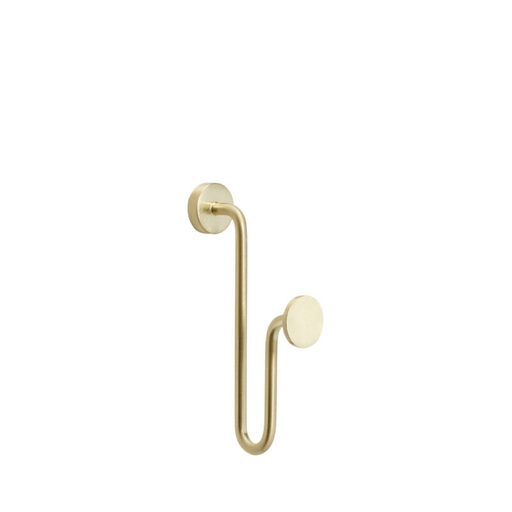
Why this choice suits this profile: Its brass finish and swivelling arm fit into a carefully styled hallway, bedroom, or bathroom.
Its dimensions of 7 × 2.5 × 13 cm let you check its size before buying, rather than relying solely on the photo.
Iron structure with brass finish, stated weight of 80 g, and a swivelling arm to adjust the position of lightweight items.
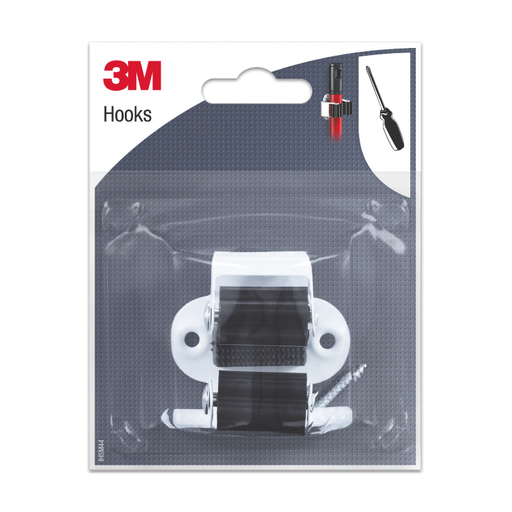
Why this choice suits this profile: This model is designed for the garage, utility room, or garden shed to hang brooms, mops, and handled tools.
This is not an adhesive hook: the screw-fixed installation requires drilling and a solid surface, which is better suited to repeated use.
Clamp system for handles from 18 to 32 mm, white metal structure, and screw installation.
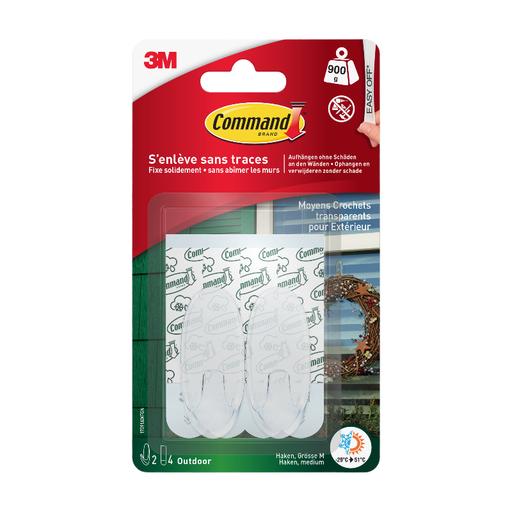
Why this choice suits this profile: Its discreet design works for lightweight outdoor decorations on smooth surfaces, without screws or nails.
The specification states outdoor use, a temperature range of -29 °C to +51 °C, and a maximum load of 900 g per hook. These limits must be respected.
Transparent hook, adhesive strips designed for outdoor use, and stated compatibility with glass, painted wood, and smooth rigid PVC.
We've put together a comprehensive, real-time updated list of products that meet these strict selection criteria and European safety regulations.
Before fitting a no-drill wall hook, dust and degrease the surface following the instructions provided. Observe the recommended waiting time before hanging anything on it. For a screw-fixed hook, choose wall plugs suited to the wall material and check that the whole thing is level.
Regularly inspect the screws, adhesive, and contact points. In a bathroom or outdoor space, wipe away moisture and keep an eye out for any signs of rust. Never exceed the stated weight capacity and avoid hanging fragile or heavy items above a walkway.
A no-drill wall hook can work if the wall is smooth, clean, and compatible with the adhesive. Check the maximum weight, the installation time, and the excluded surfaces. To minimise the risk of damage, remove it using the method specified by the manufacturer – though the result can vary depending on the wall covering.
For a coat hook, use wall plugs designed for plasterboard and spread out the fixing points where the product allows. Fixing directly into a stud usually offers better support than a simple wall plug, but compatibility should be checked based on the intended weight.
Only if its specification sheet says it can. An outdoor model must be able to withstand moisture, temperature changes, and ultraviolet rays. Even then, place it on a smooth surface and stick to the stated maximum weight.